A masterful account of the poet’s early life during the tumultuous 19th century crisis of faith
A
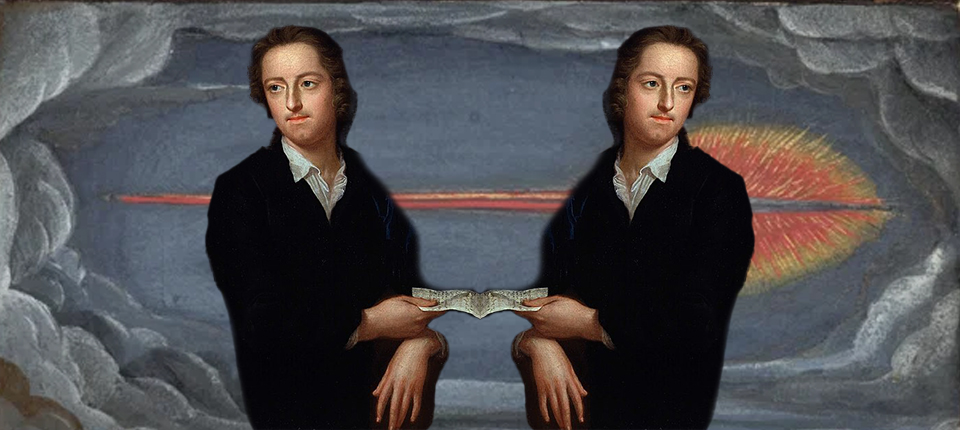
lfred Tennyson was a divided soul. He even wrote a poem called The Two Voices in which dual versions of himself argued out the pros and cons of suicide. In this illuminating book, Richard Holmes has chosen to focus on the lesser known of the poet’s personae.
The year 1850 was pivotal for Tennyson. He published the great poem sequence In Memoriam, over which he had laboured for nearly two decades. He became, as a result, both famous and rich. He got married, after a 14‑year courtship. He had been living in rented homes with his mother and siblings, or dossing down with bachelor friends in London, or lurking alone in a ramshackle cottage on one of his native Lincolnshire’s bleak beaches. Now he took a house where he could receive distinguished visitors. (When Prince Albert came calling, Tennyson was so far from obsequious that he forgot to invite the queen’s consort to sit down, though he did at least offer the poor man a drink.) He was appointed poet laureate. His life as a Great Man began.
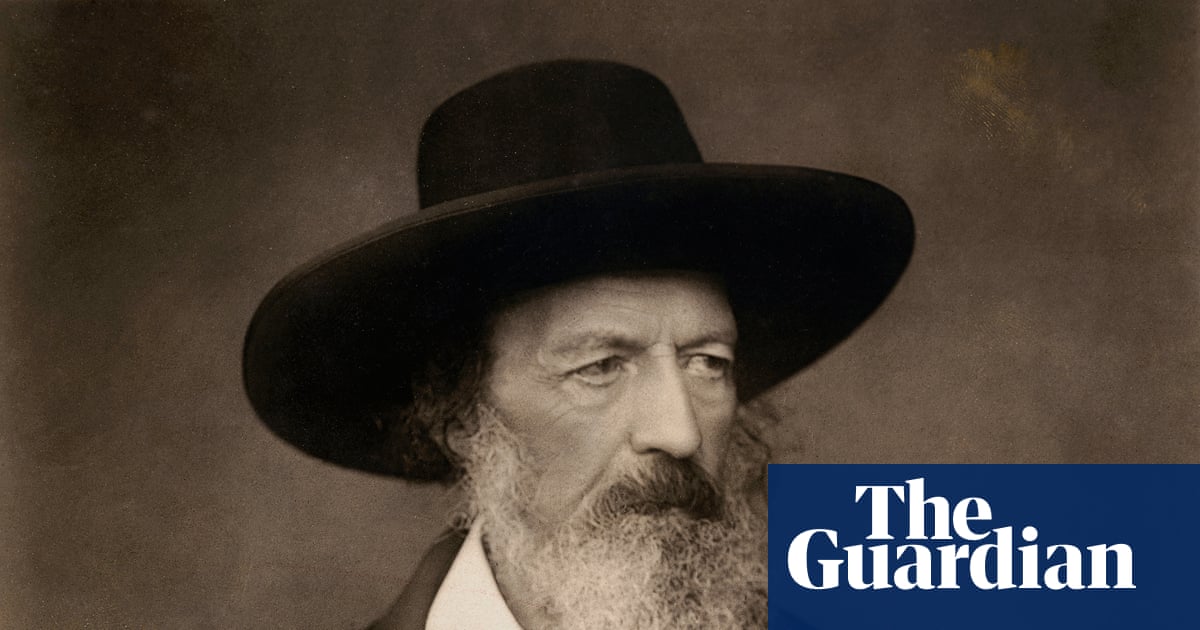
For Holmes, this settling down – emotional, financial, social and poetical – is the end of the exciting part of Tennyson’s life. The Boundless Deep is not about the bestselling author of the nation’s favourite poem – The Charge of the Light Brigade – or the laureate lord, pacing along the clifftops of the Isle of Wight or posing for Julia Margaret Cameron’s famous photograph (known derisorily in his family as “the dirty monk”). Instead, Holmes gives us “young Tennyson”, the wildly talented youth whose story is far more rich and strange than that of the bearded celebrity.