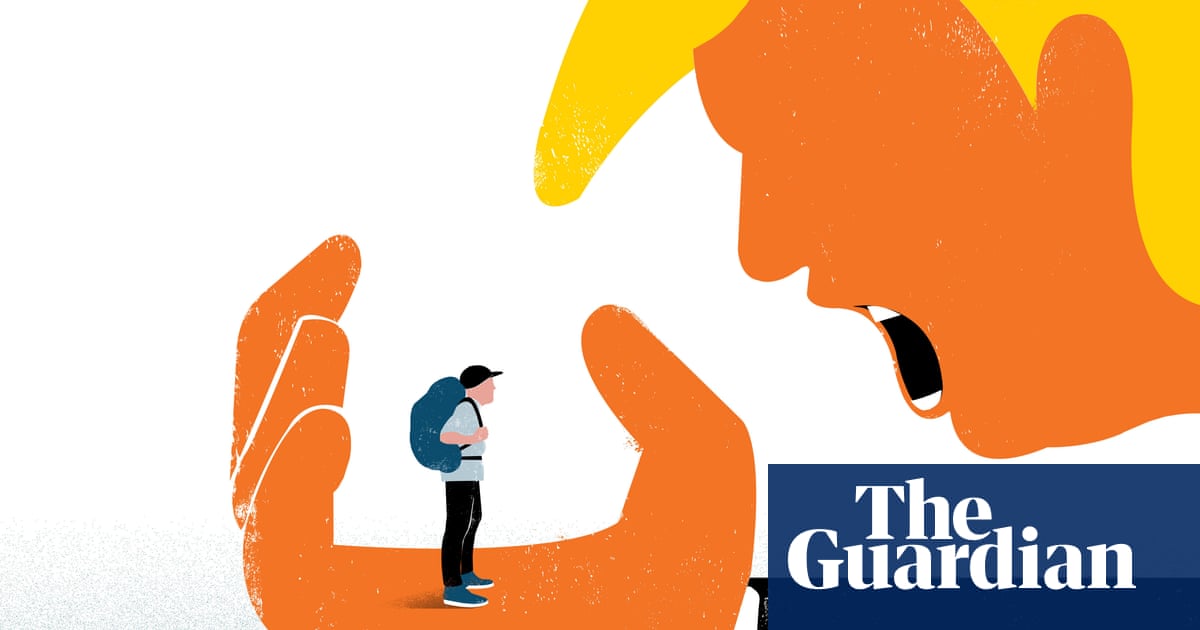
I’ve never been accused of any crimes, let alone prosecuted. My experience sums-up the draconian plight of non-citizens in the US
W
hen I arrived in the US four years ago to start my doctorate at Cornell University, I thought I’d be the last person to be hunted down by the immigration authorities. As far as I could tell, “the special relationship” meant that a British passport carried a sort of immunity akin to that enjoyed by diplomats; it was a mobility that allowed me to work, after all, as a journalist unscathed across west Africa’s restive Sahel belt for years.
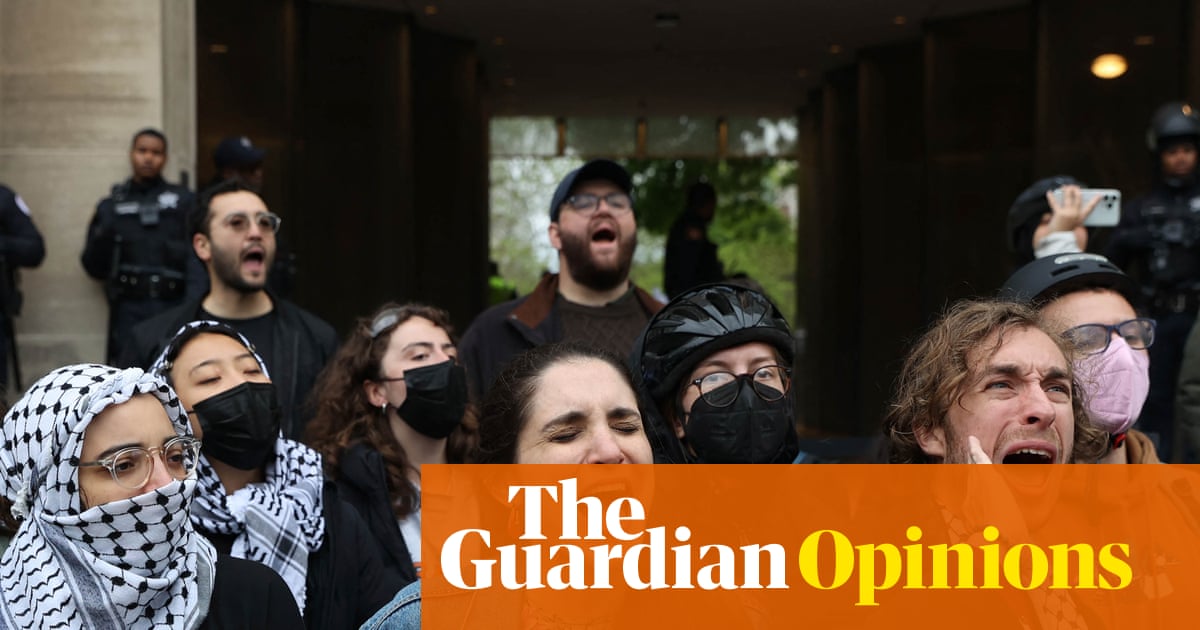
Things began to fall apart after I attended a pro-Palestine protest on campus in September last year. We had brought a job fair to a standstill – because it featured booths from Boeing and L3Harris, companies that supplied Israel with the armaments it needed to carry out its genocidal campaign in Gaza. Although I was there for just five minutes, I was subsequently banned from campus, a punishment that felt like a kind of house arrest because my home was on the university’s Ithaca campus in upstate New York. While I could continue living there, I was barred from entering the university premises.
In January, as Donald Trump steamrolled into office brandishing an arsenal of executive orders targeting non-citizen student protesters, I left my home and went into hiding at the remote home of a professor, fearing the reach of Immigration and Customs Enforcement (Ice). Three months later, I self-deported to Canada, then flew to Switzerland. I was prompted to flee after a friend, who had spent time with me in Ithaca, was detained at a Florida airport – on the other side of the country – and questioned about my whereabouts. I did not return to the UK as reports that pro-Palestine journalists had been arrested there made me fearful.