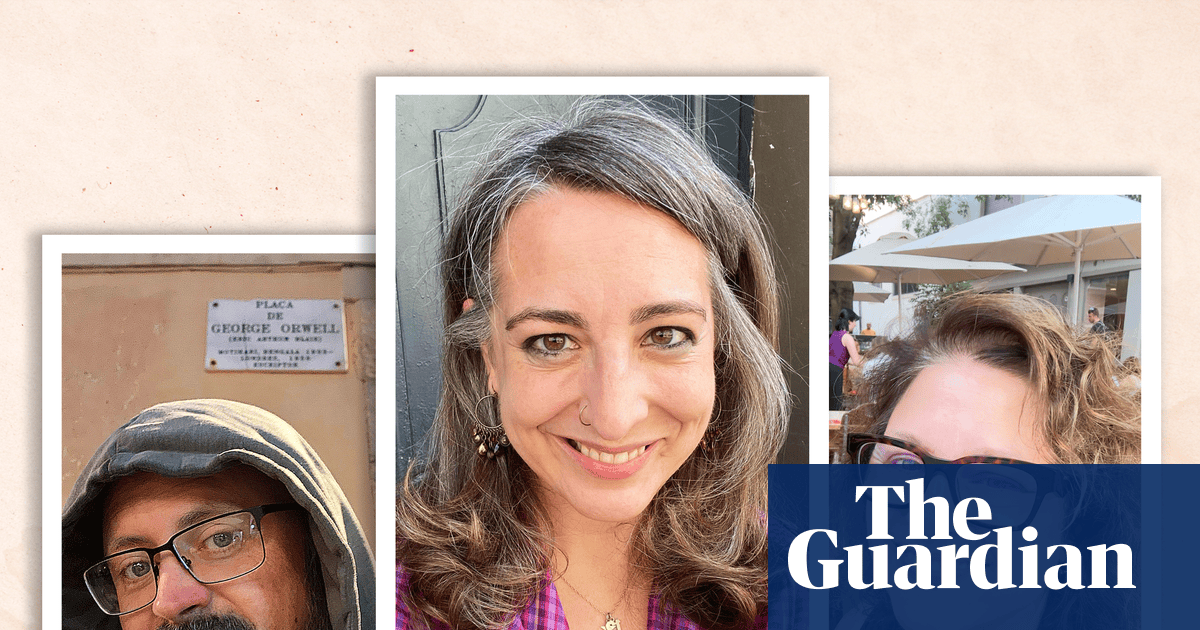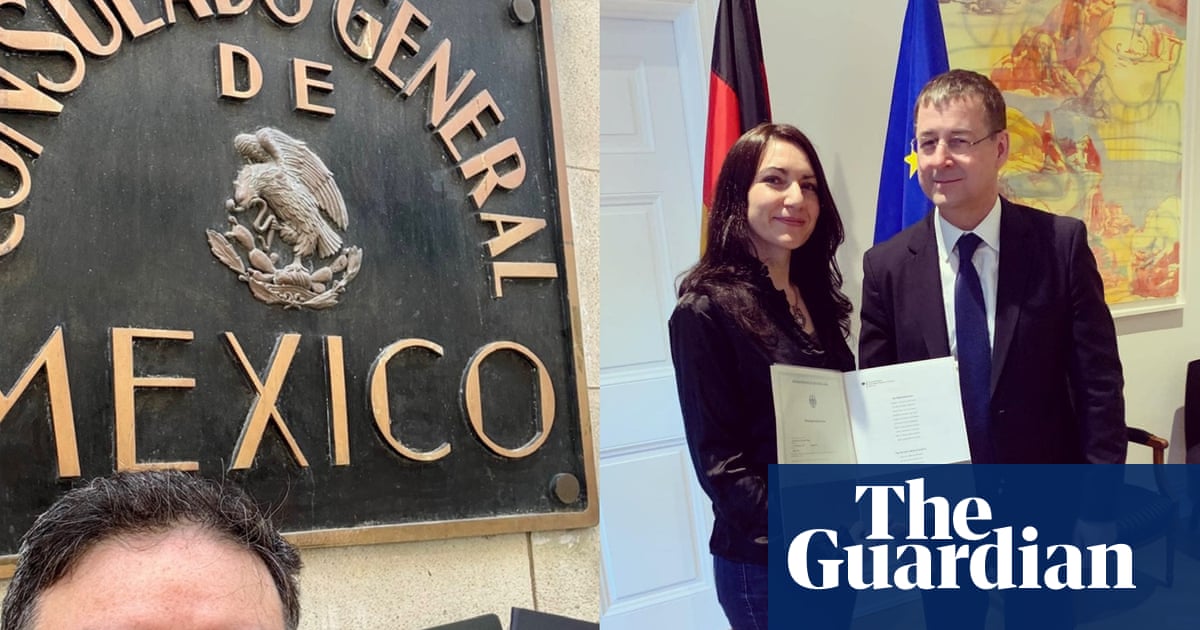
Some US citizens, grappling with issues from LGBTQ+ rights to the economy, are looking to the countries their families once left behind
aniel Kamalić was born and raised in New York City, where he spent his summers riding his bike around Brighton Beach before pedaling home to his “Brooklyn Jewish” mother and his “smooth talker” father. He went out for Cub Scouts and soccer before realizing, during his time studying at MIT, that he loved sailing most of all. Now 48, he is a professional tenor with the opera, performing in and around New York.
Kamalić never considered that he might want to be anything but American – why would he? His life was shaped by the freedoms and opportunities that his father, Ivan Kamalić, risked everything for.
In the 1960s, after Ivan’s family fell out of favor with the communist regime in Yugoslavia, Ivan and a friend set sail on the Adriatic in a stolen boat with sails painted black – they were not yet 20 years old. When the boat sank, they were picked up by an Italian freighter and brought to a refugee camp. Ivan eventually made it to the US, but he didn’t talk much about his country of birth, which, after decades of oppression and war, declared independence as Croatia in 1991 and joined the EU in 2013. “My father always just said he came here for french fries, blue jeans and rock‘n’roll,” says Kamalić.