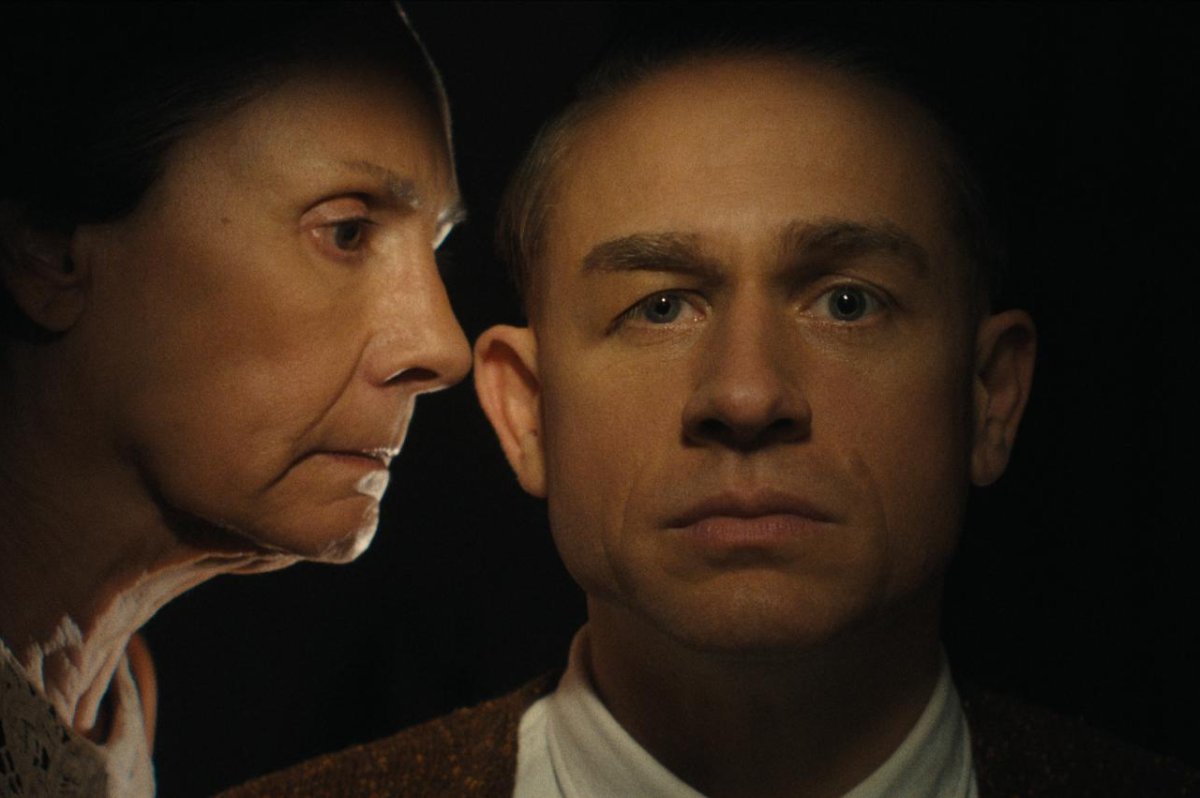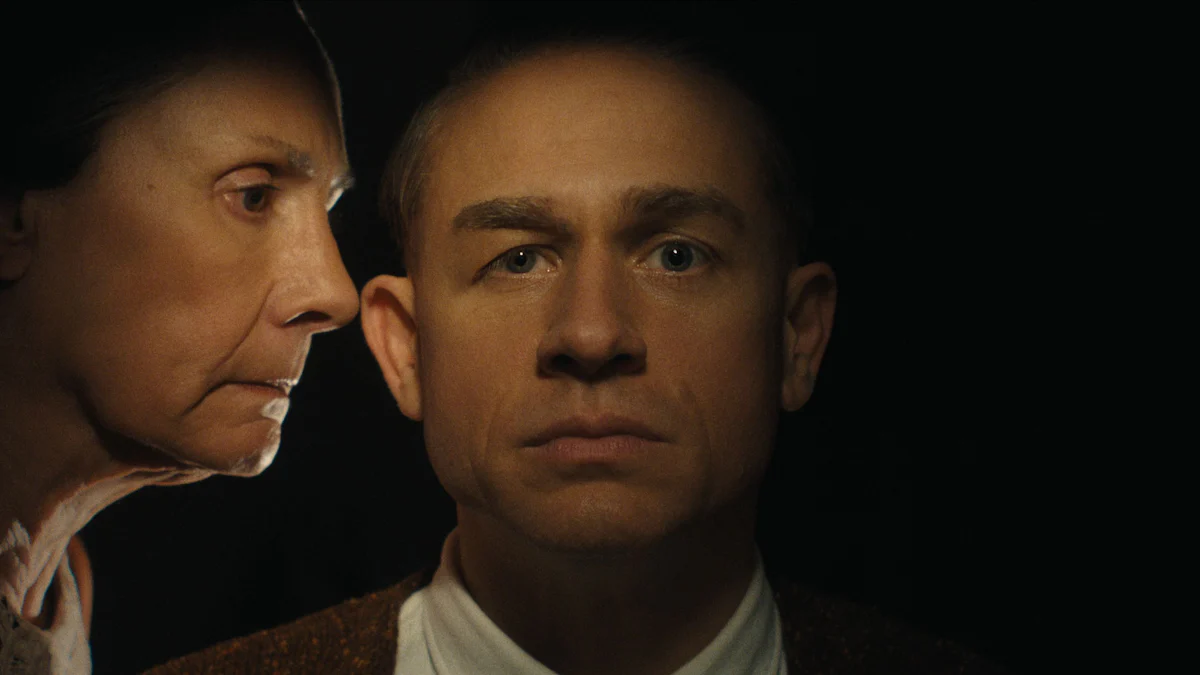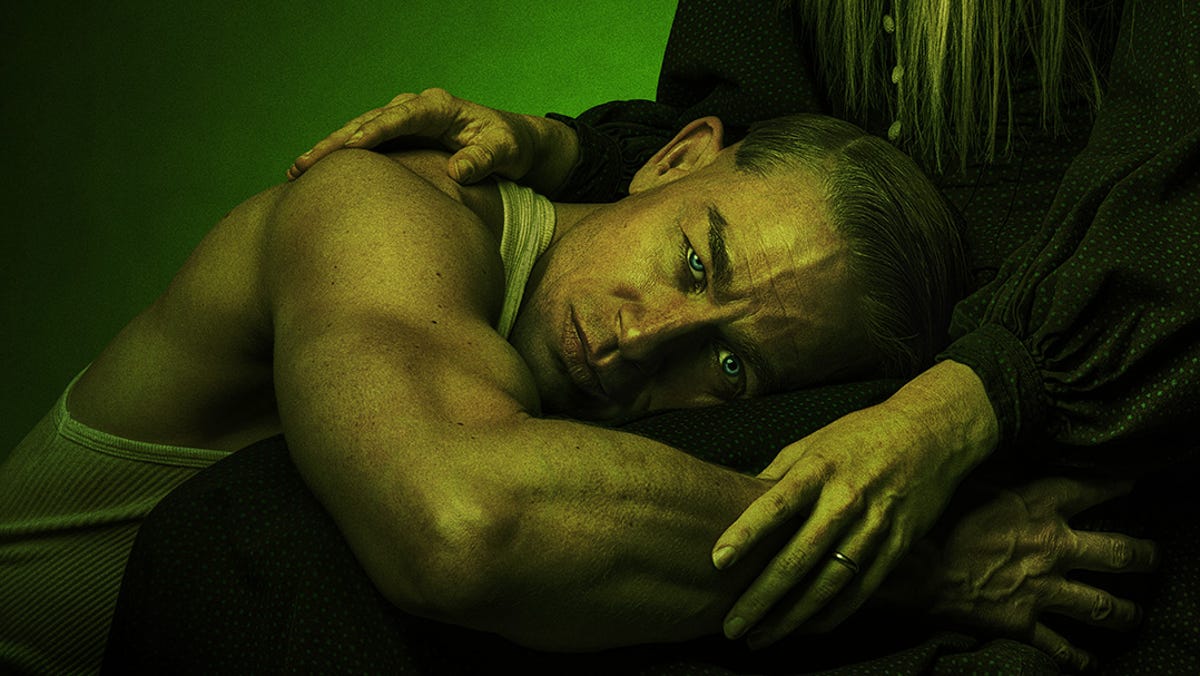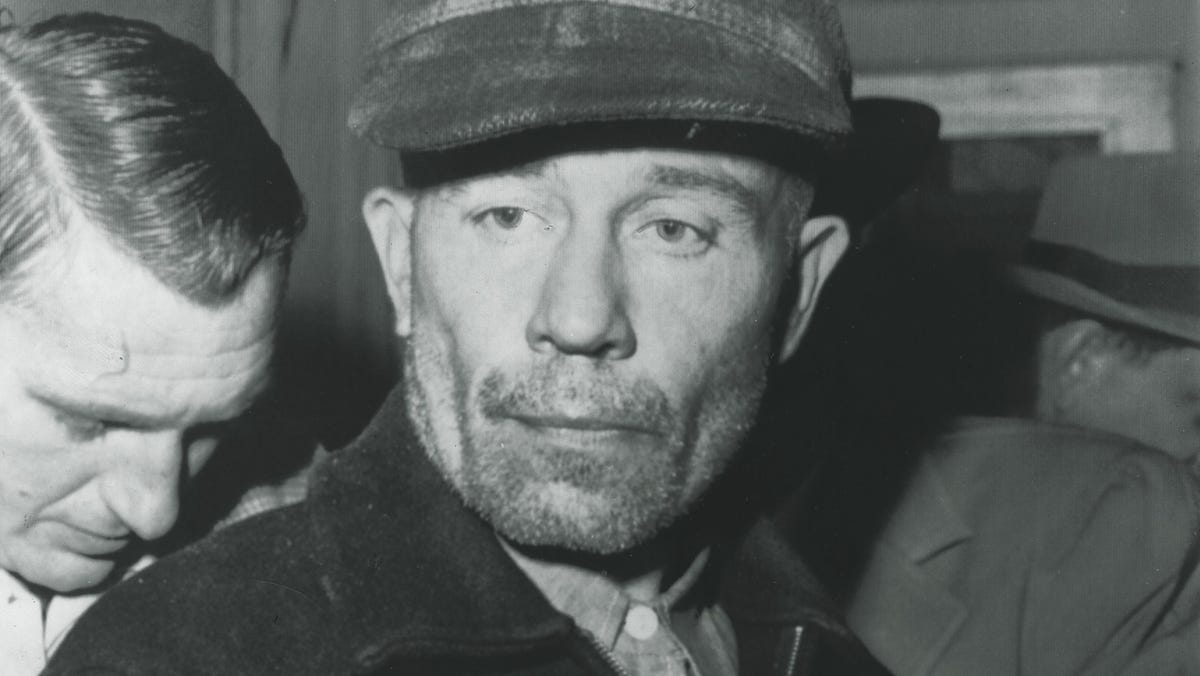
The subject of a new Netflix true-crime offering was a quiet, isolated farmer to the outside world in the 1950s, but he was hiding a grisly nightmare house that would go on to inspire horror movies.
Ed Gein, who became infamous for crimes committed in rural Plainfield, Wisconsin, admitted to the killing of two women and stealing corpses from graves. His facade unraveled in late 1957 when a local hardware store owner went missing, leading authorities to Gein's door. In his farmhouse, they discovered her mutilated body along with the body parts of several others. He had fashioned furniture and clothing out of human skin and other remains, which he kept around his house of horrors.
The saga is recorded in the newly released "Monster: The Ed Gein Story" by producer Ryan Murphy, the latest installment in the series that previously chronicled Jeffrey Dahmer and the Menendez Brothers. The series took some liberties to dramatically retell Gein's story. Here's what we know about the true, shocking story of the so-called Butcher of Plainfield:
Gein was born Aug. 27, 1906, to parents George and Augusta Gein. He had one brother, Henry. The Gein family moved to the farm in Plainfield, Wisconsin, when Ed Gein was young, where they lived in mostly isolation. Ed Gein attended school but was said to be punished by his mother if he tried to make friends. He grew up in a strict and religious household.