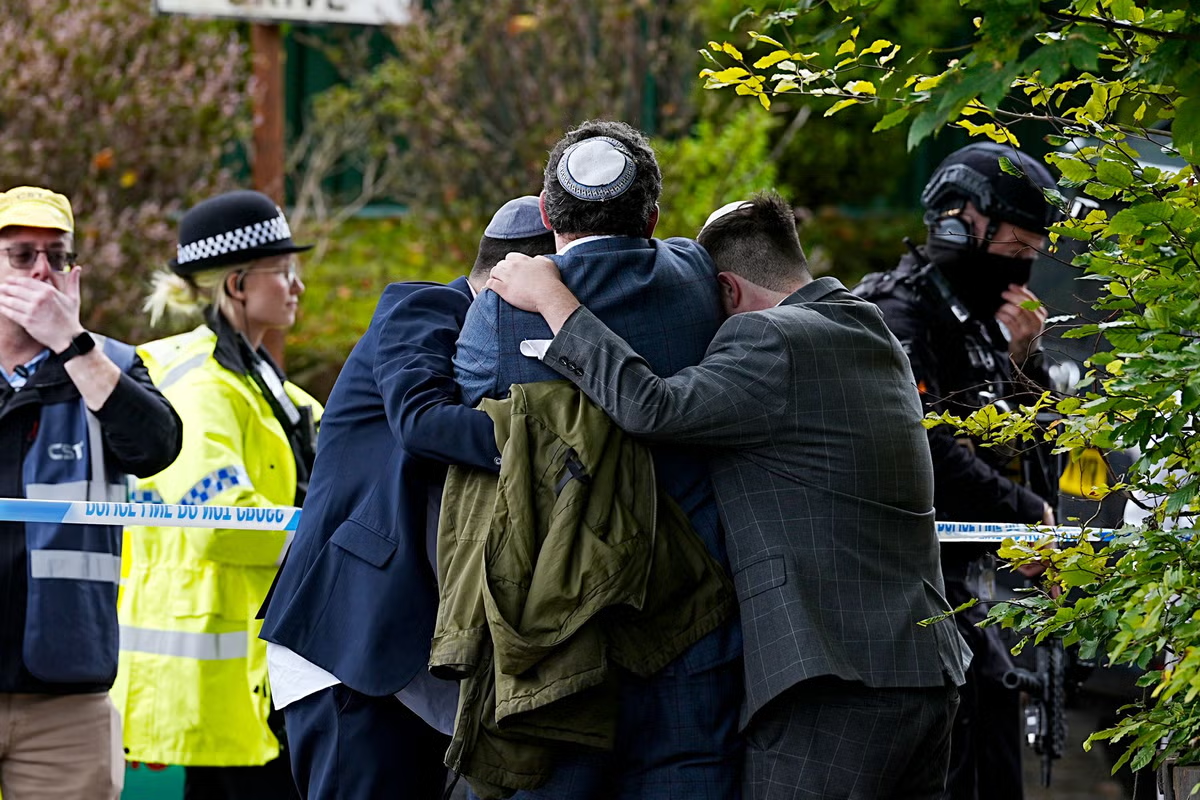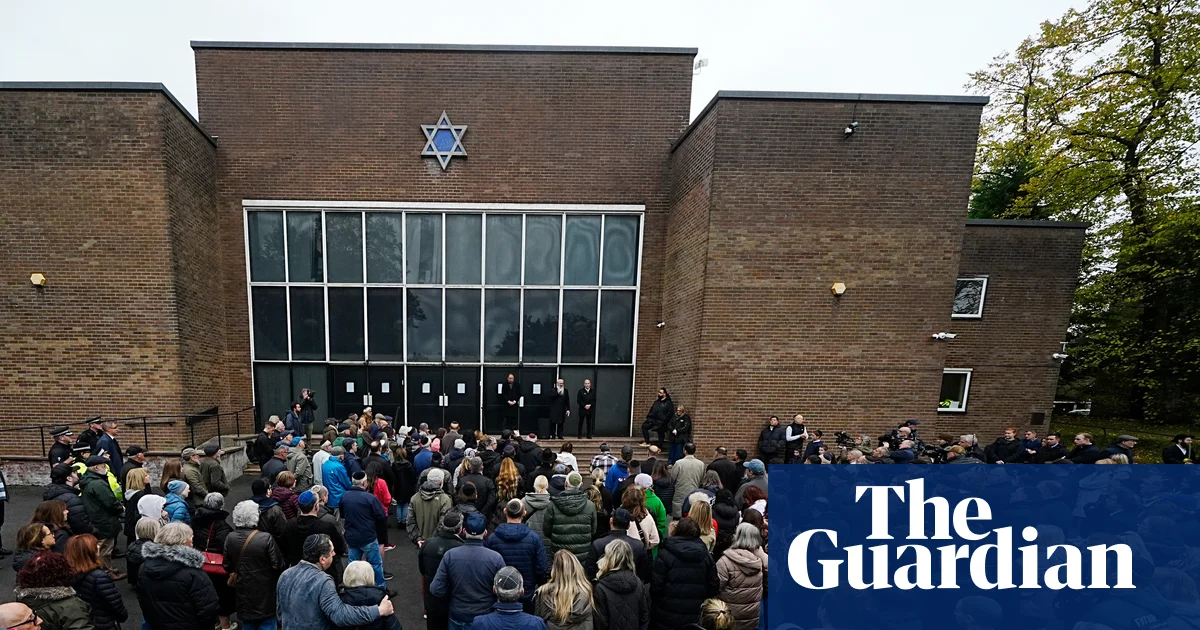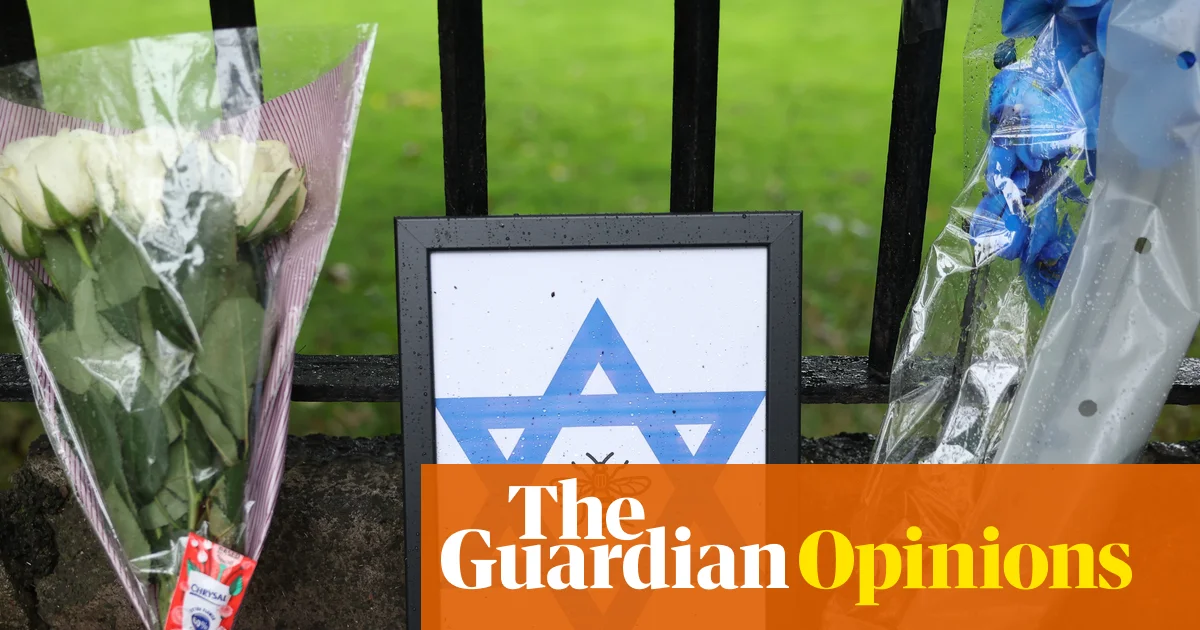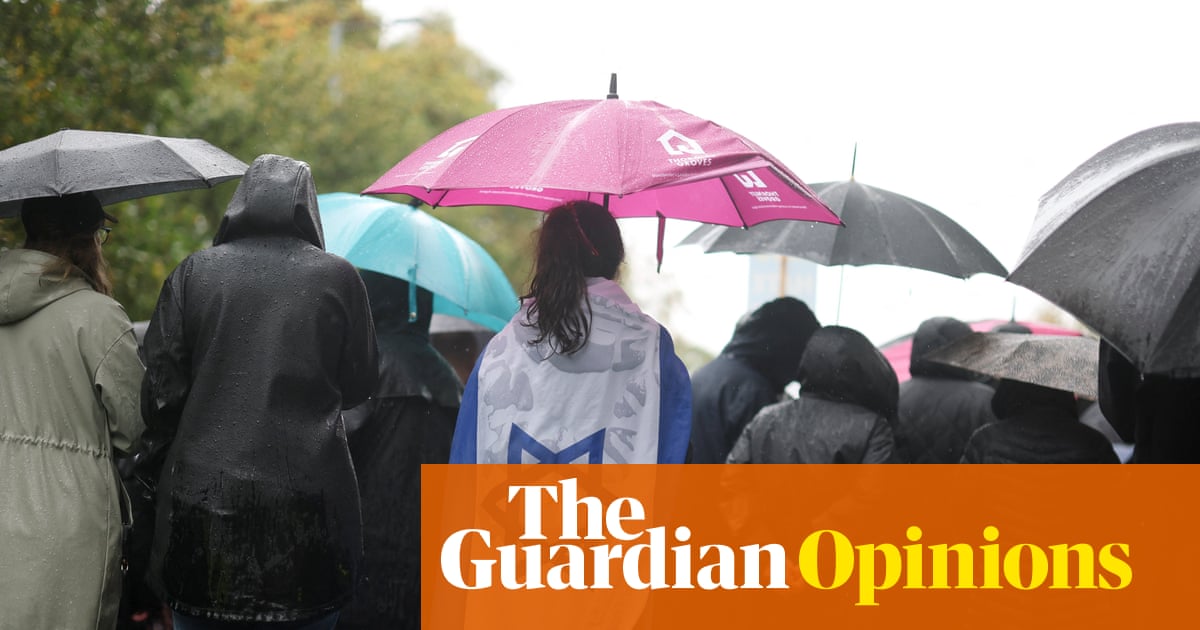
There’ll be sympathy and heightened security, but in the 1960s when Jewish communities faced attack, there was also solidarity. We need that back
Y
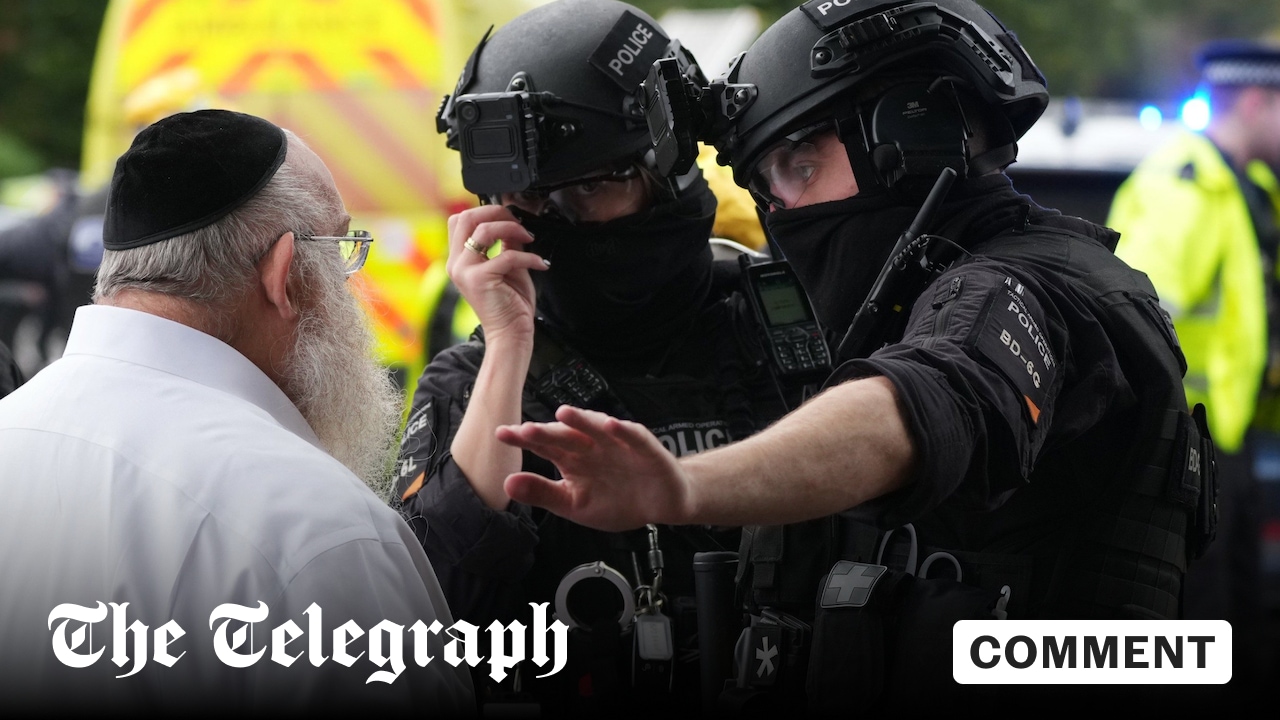
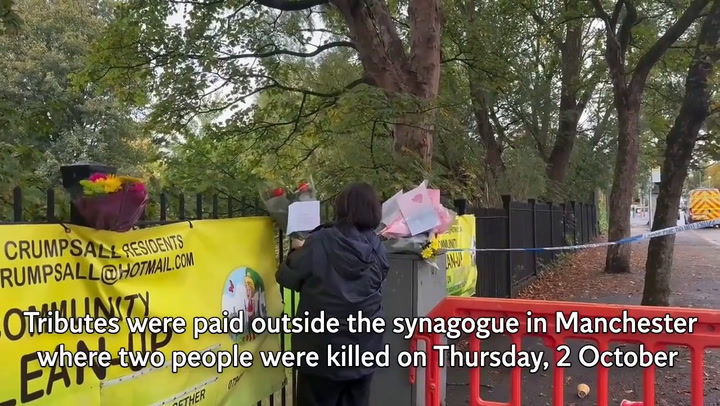
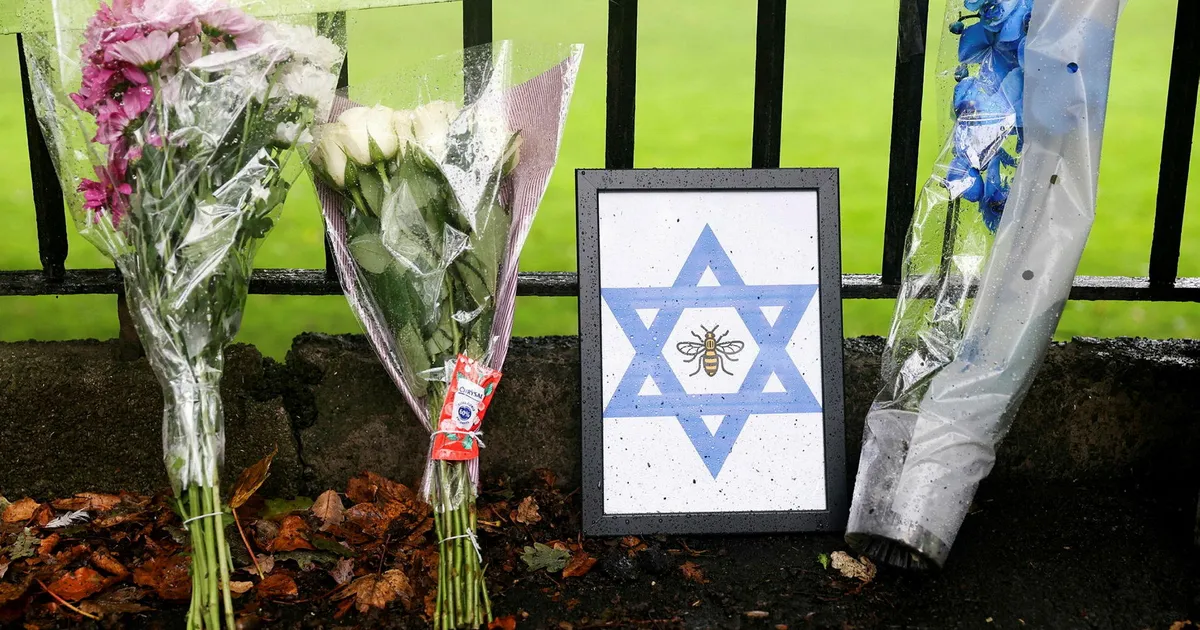
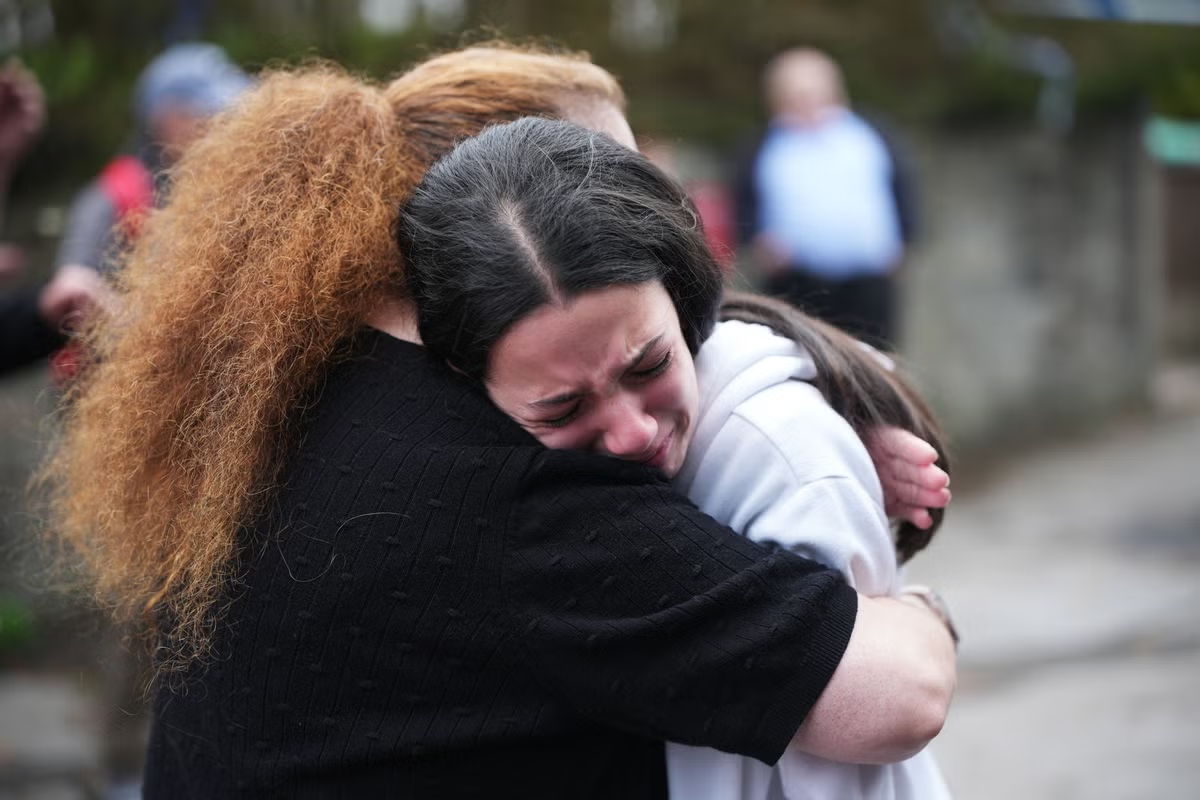
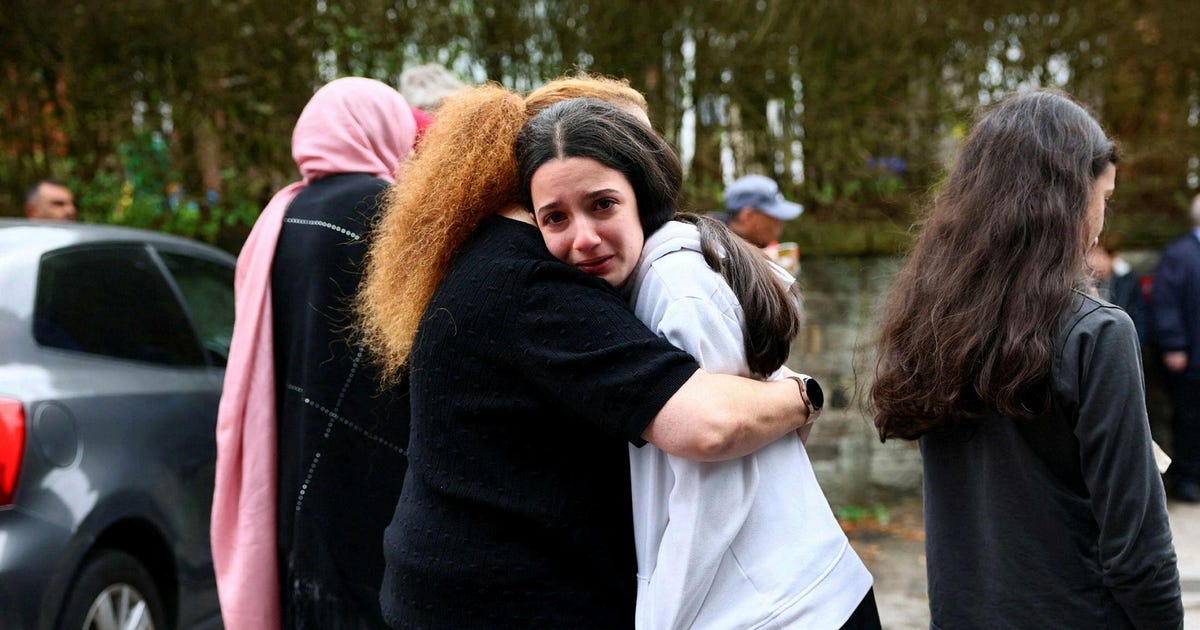
om Kippur is the holiest day in the Jewish year, a day of repentance, prayer, fasting; and now – for two Jewish families in Manchester – also a day of mourning. It is also, increasingly, a day when terrorists visit their local synagogue to murder the Jews inside.
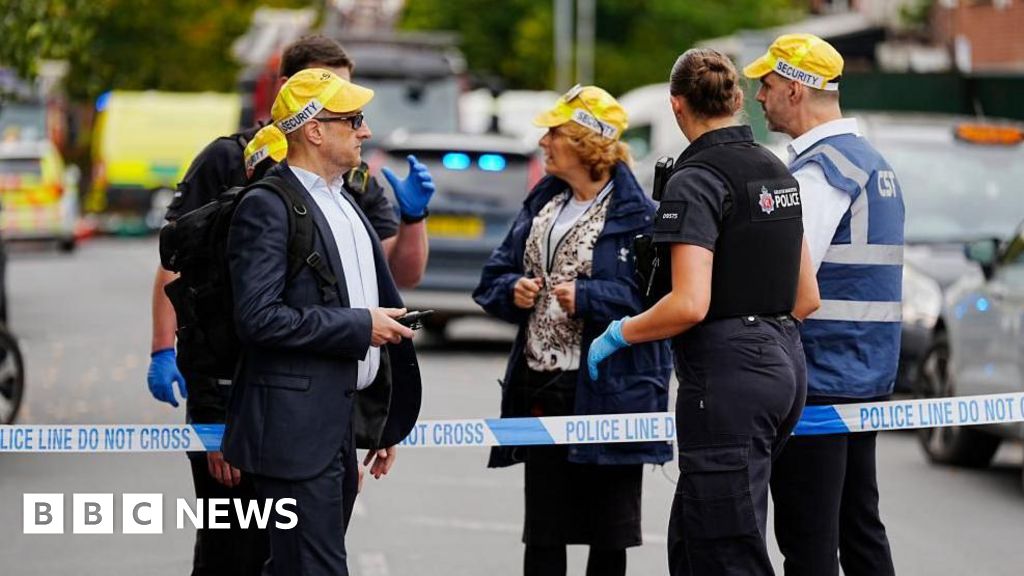
Six years ago, that terrorist was Stephan Balliet, a German neo-Nazi, and the synagogue was in Halle, Germany. Yesterday it was Jihad Al-Shamie, at the Heaton Park Synagogue in Manchester. Both attacks left two people dead; both were thwarted from further atrocities by the simple act of closing the front door.
Anti-Jewish terrorism has been around for a very long time. In the early 1960s an arson campaign by the National Socialist Movement hit 34 synagogues, schools and other Jewish buildings across London, one of which resulted in the death of a 19-year-old student (although no charges were ever brought for his murder). In the late 1960s Palestinian nationalist terrorism arrived from the Middle East, bringing a wave of bombings and shootings that continued into the 1990s. Since then, the baton of anti-Jewish terrorism has been taken up by Jihadist groups such as al-Qaeda and Isis and the state terror of Iran and its Lebanese proxy Hezbollah. And more recently, the social media-driven phenomenon of individual terrorists – not trained or directed by any group but produced and encouraged by online subcultures of hatred and extremism – comes in neo-Nazi, jihadist and extreme leftwing varieties. And they all have one thing in common: they target Jews.