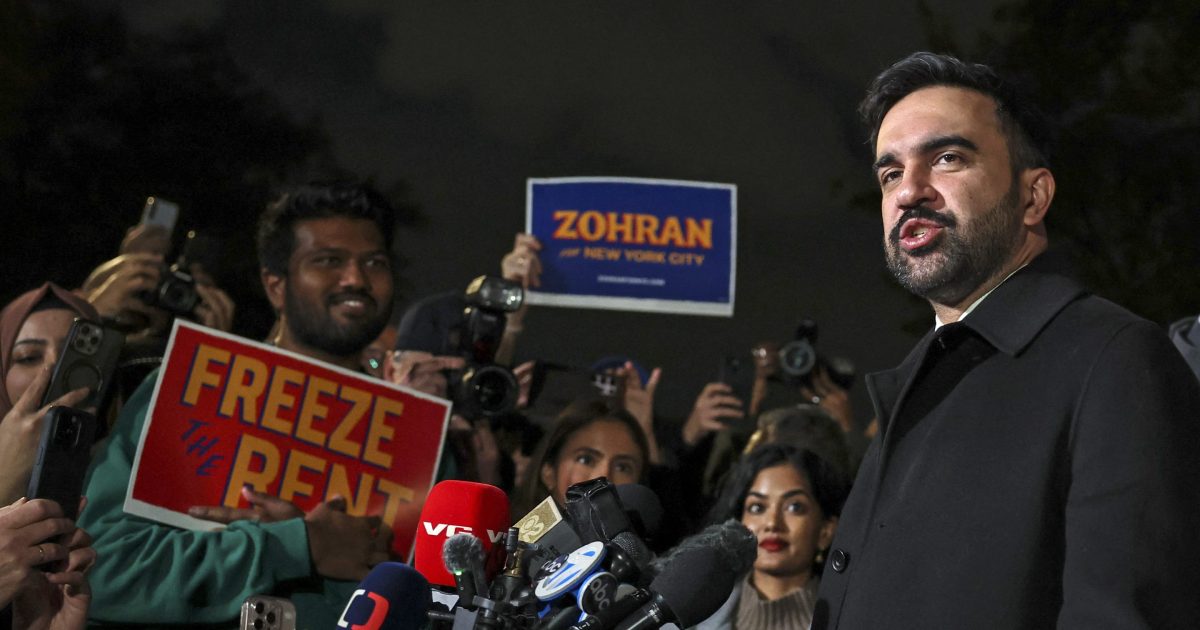
Good morning. I was talking to a CEO over the phone yesterday about the potential business impact of a government shutdown when the news broke that the White House is withholding $18 billion in federal infrastructure funds for New York City. “Whoa! Look at this,” he said, reading out allegations that the city has “discriminatory, unconstitutional” contracting processes. “If you work with the government, that could be more significant.”
Maybe. The impact of a shutdown will, of course, depend on its length and the reaction of those impacted. Investors aren’t happy, but that could pass. While roughly three-quarters of federal employees are classified as “essential” workers who must stay on the job, some may stop showing up if they’re not paid. As another CEO pointed out yesterday, a raft of no-show TSA workers can make for annoying security lines, but a dozen “sick” air traffic controllers can seriously disrupt air travel.
The U.S. has weathered 10 shutdowns since the current budget policy was established in 1976.
One difference this time around is that DOGE cuts and policy shifts have already disrupted various aspects of government operations, from education grants to public health programs, making yesterday’s “orderly shutdown” yet another challenge to navigate. The main message from the CEOs I reached yesterday: Check back in a week or two.