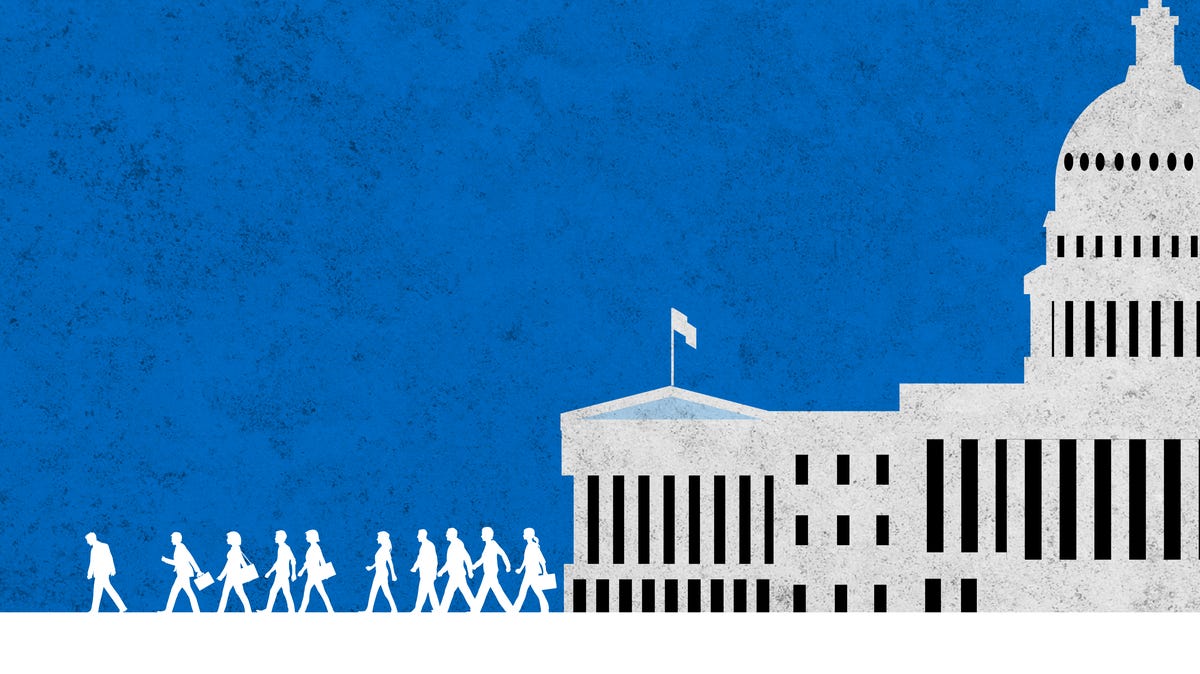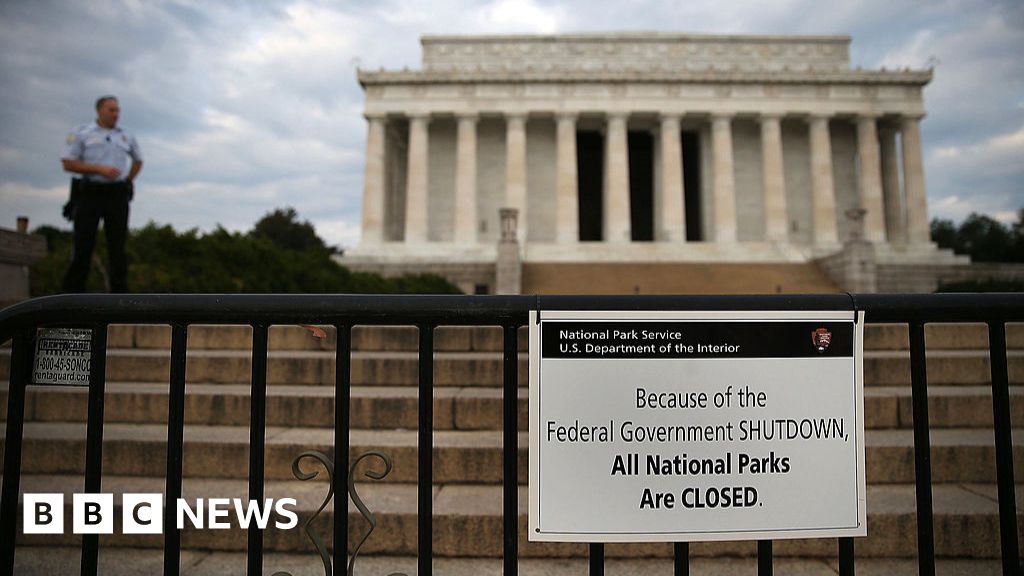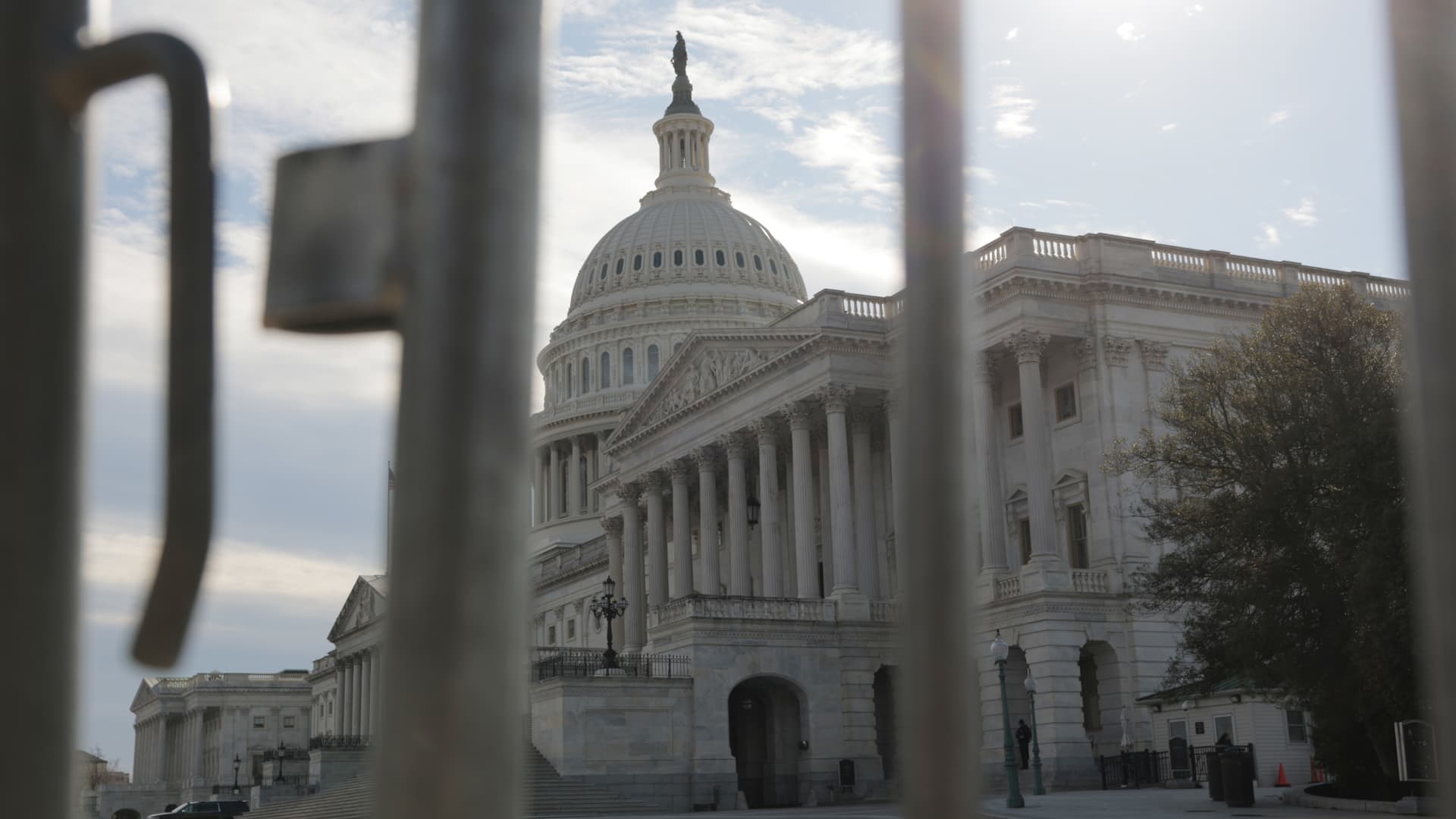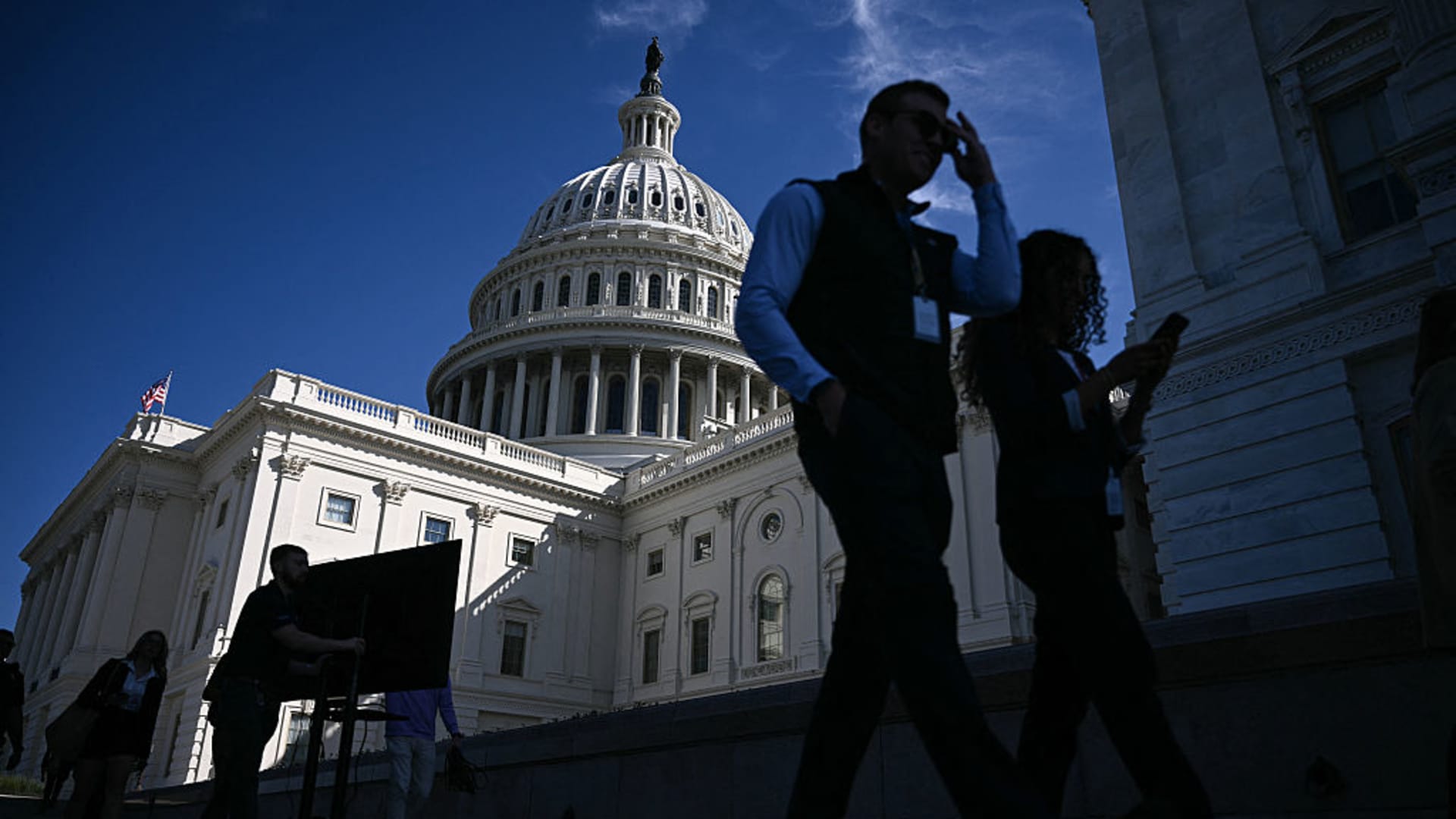
The federal government shut down on Wednesday after lawmakers failed to agree on a short-term funding measure ahead of the Oct. 1 deadline.
As a result, all “nonessential” government functions will come to a halt, with hundreds of thousands of federal workers finding themselves furloughed or working without pay. Certain essential government services — such as air traffic control and distribution of Social Security checks — will remain online.
The Congressional Budget Office estimates about 750,000 workers will be put on furlough, costing the U.S. economy about $400 million each day they’re out of work. In the past, Congress has voted to retroactively pay furloughed and unpaid workers.
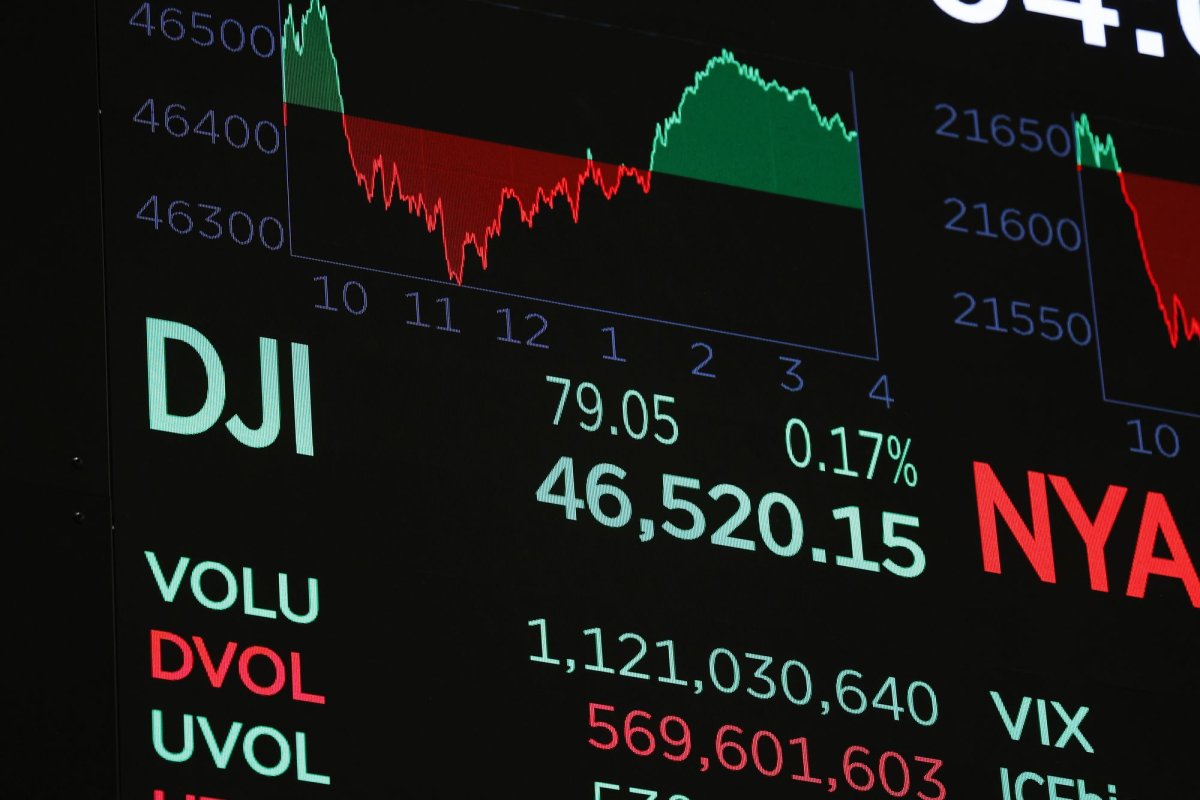
Government shutdowns are disruptive, both for people who work in the government and for those who rely on its services. But historically, investors have met them with a collective yawn.
“History reminds us that government shutdowns have typically been more headline-making than bottom-line impacting,” says Sam Stovall, chief investment strategist at CFRA.