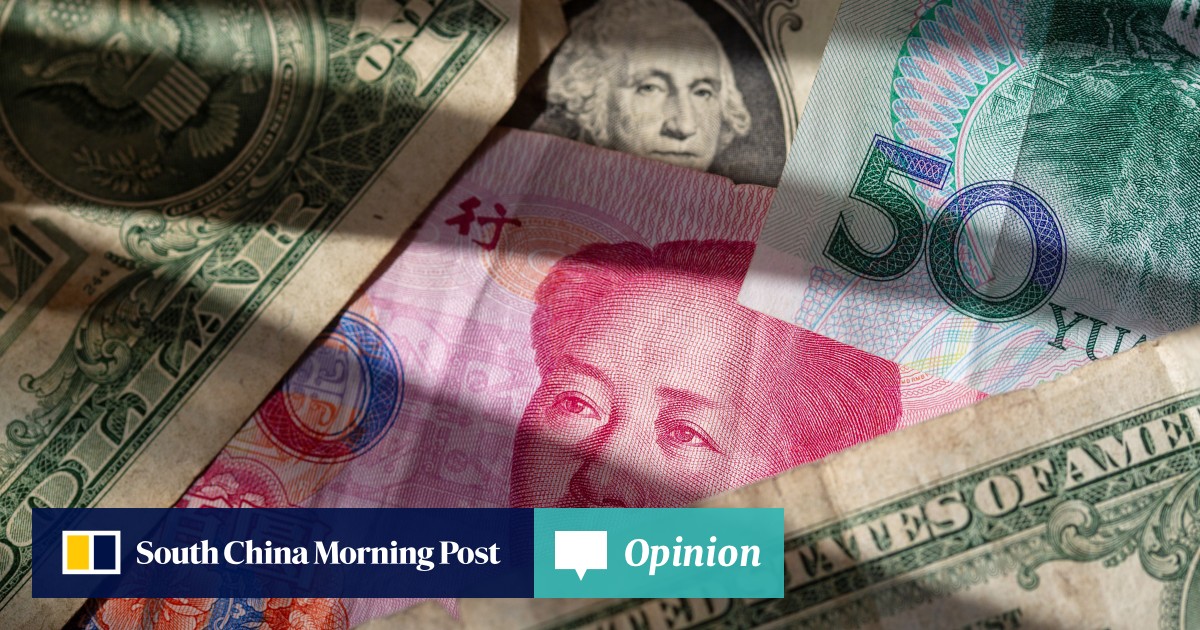
It is both a pragmatic response to deepening regional trade integration and, more profoundly, a strategic drive for fiscal independence
An earlier version of the article mistakenly identified the Indonesian currency as rupee. It has been corrected to rupiah.
For decades, cross-border trade in the Asia-Pacific has been denominated in US dollars. Given the currency’s relative stability and accessibility, small and medium-sized businesses, merchants and manufacturers looking to expand across borders traditionally conducted international trade in the US dollar.
For instance, a Shenzhen manufacturer in China paying its Indonesian supplier would convert yuan to US dollars for the payment, which when received will be converted to Indonesian rupiah, and vice versa. This exposes both parties to foreign exchange risks and costs but businesses accepted these for the sake of the advantages of internationalisation.
Today, these terms of trade are being rewritten quickly, driven by the exacerbation of tariffs around the world and business owners’ fear of uncertainties: the Organisation for Economic Cooperation and Development (OECD) recently warned that the world faced major threats to growth that could materialise soon and persist into the next year.