Asia’s shift away from the U.S. dollar is ramping up.
A mix of geopolitical uncertainties, monetary shifts, and currency hedging is prompting a meaningful move toward de-dollarization across the region.
“Trump’s erratic trade policy decisions and the dollar’s sharp depreciation are probably encouraging a more rapid shift towards other currencies,” said Francesco Pesole, FX strategist at ING.
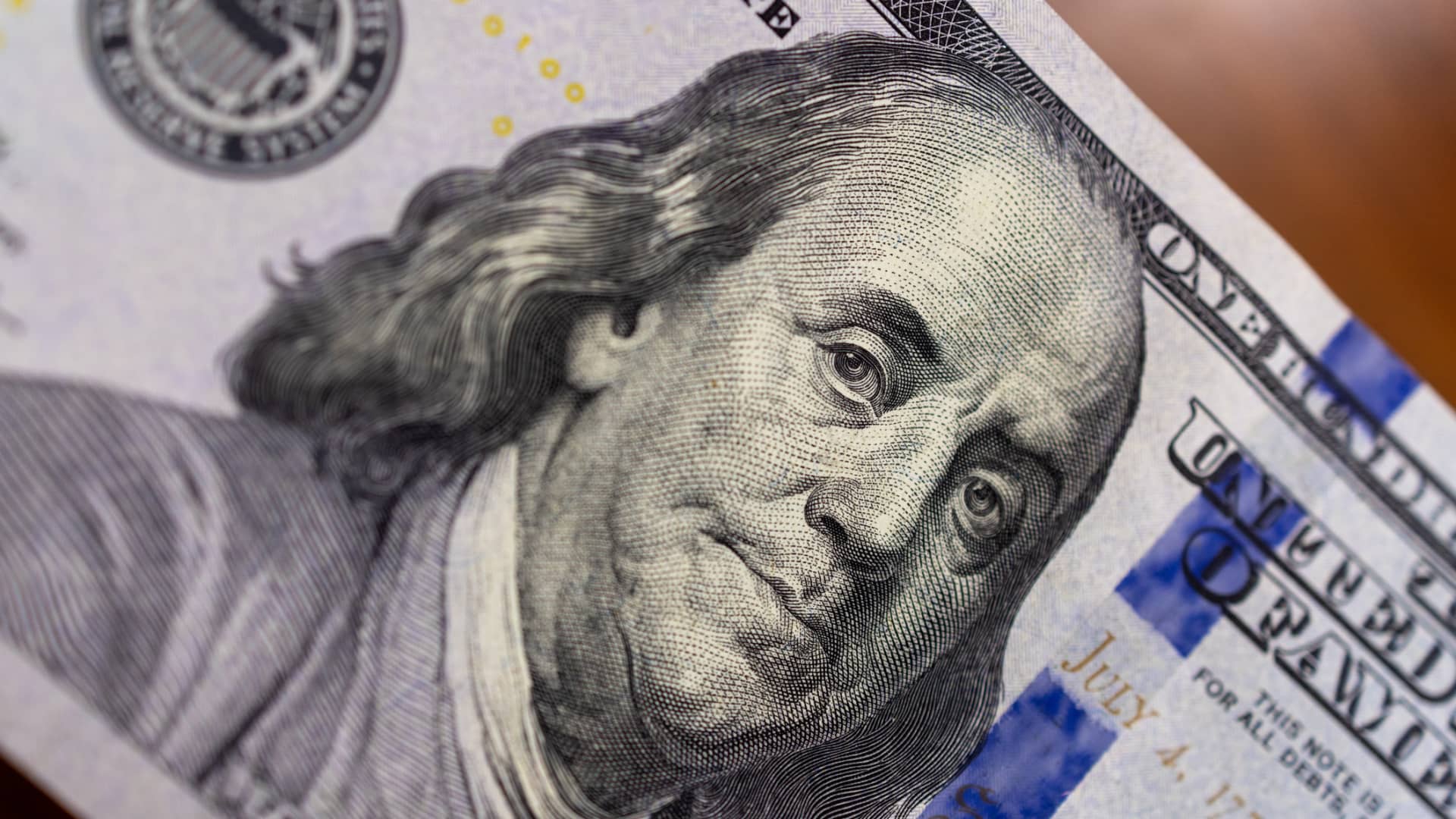
While the U.S. dollar continues to dominate global foreign exchange reserves, the share of the greenback has declined from more than 70% in 2000 to 57.8% in 2024. More recently, the greenback also saw a steep selloff this year, particularly in April, following uncertainty around U.S. policymaking. Since the start of the year, the dollar index has weakened by over 8%.
While de-dollarization is not exactly a new phenomenon, the narrative has changed. Investors and officials are beginning to recognize that the dollar can and has been used as a leverage — if not overtly weaponized — in trade negotiations. This has led to a reevaluation of predominantly overweight U.S. dollar portfolios, said Mitul Kotecha, Barclays’ head of FX and EM macro strategy in Asia.