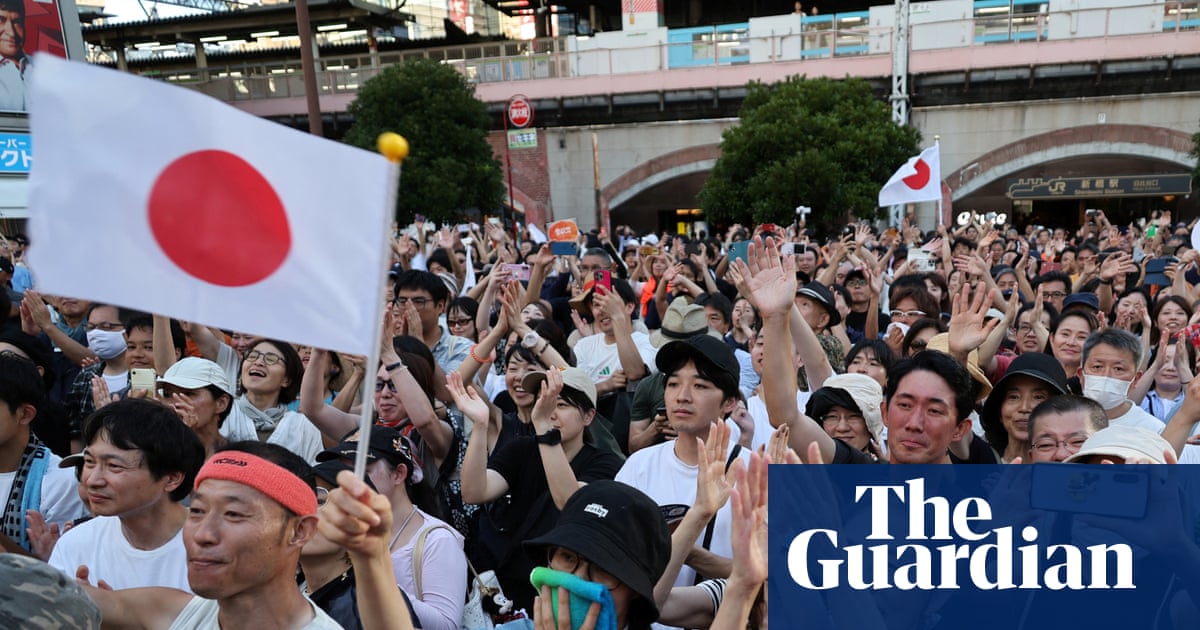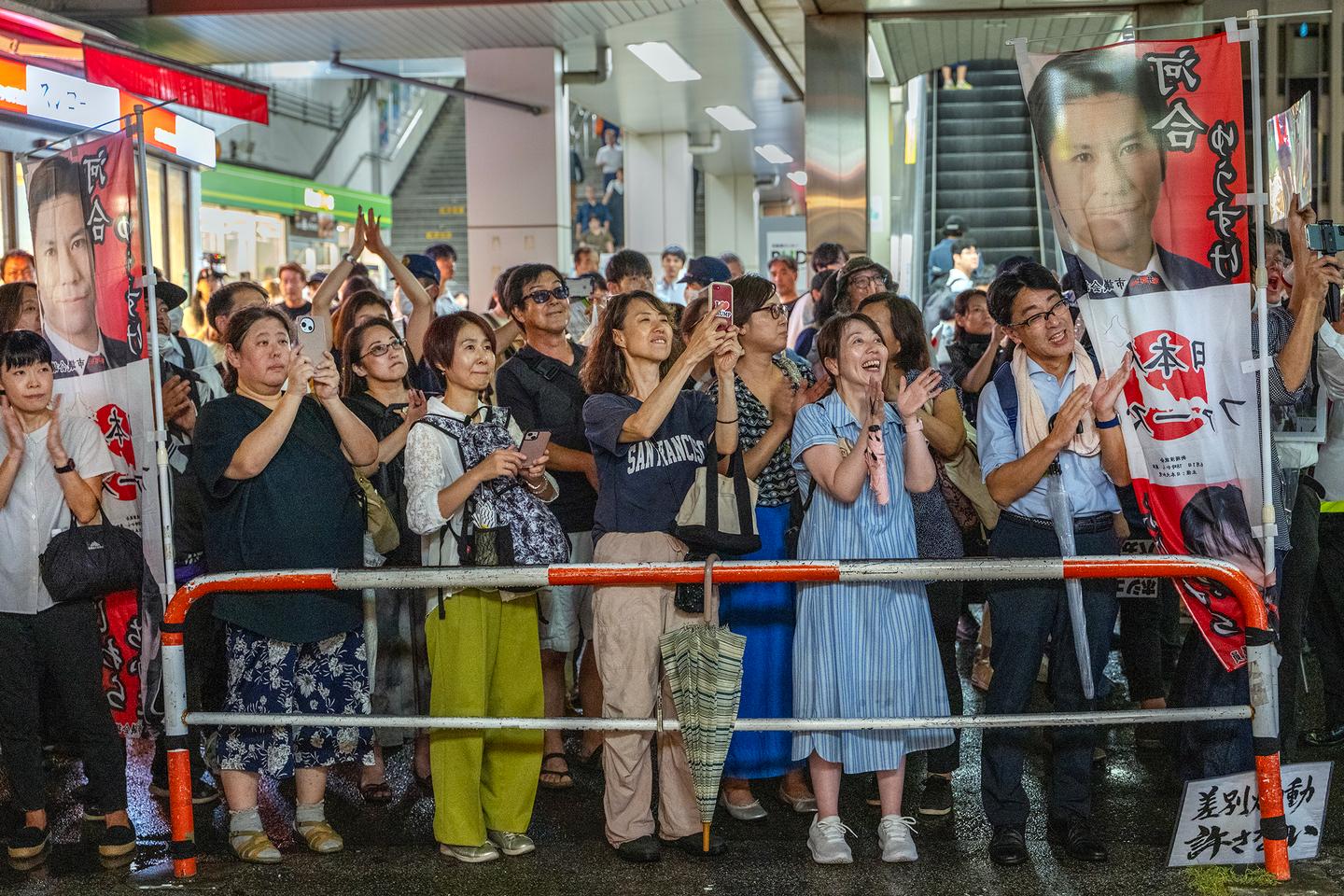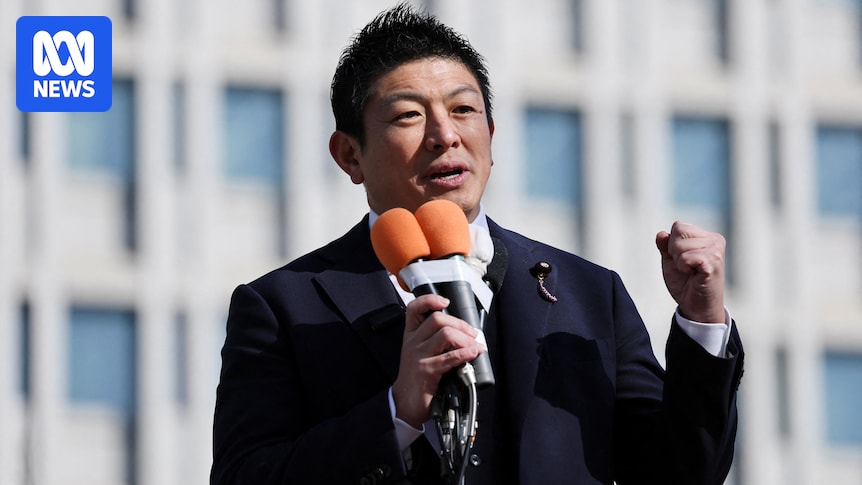
TOKYO (AP) — Outside a train station near Tokyo, hundreds of people cheer as Sohei Kamiya, head of the surging nationalist party Sanseito, criticizes Japan’s rapidly growing foreign population.As opponents, separated by uniformed police and bodyguards, accuse him of racism, Kamiya shouts back, saying he is only talking common sense.Sanseito, while still a minor party, made big gains in July’s parliamentary election, and Kamiya’s “Japanese First” platform of anti-globalism, anti-immigration and anti-liberalism is gaining broader traction ahead of a ruling party vote Saturday that will choose the likely next prime minister. Anti-immigrant policies, which allow populists to vent their dissatisfaction on easy targets, are appealing to more Japanese as they struggle with dwindling salaries, rising prices and bleak future outlooks.“Many Japanese are frustrated by these problems, though we are too reserved to speak out. Mr. Kamiya is spelling them all out for us,” said Kenzo Hagiya, a retiree in the audience who said the “foreigner problem” is one of his biggest concerns.
The populist surge comes as Japan, a traditionally insular nation that values conformity and uniformity, sees a record surge of foreigners needed to bolster its shrinking workforce.In September, angry protests fueled by social media misinformation about a looming flood of African immigrants quashed a government-led exchange program between four Japanese municipalities and African nations.