Analysts say the Japanese are suffering a crisis of confidence that is feeding xenophobia amid economic insecurity and a record number of foreign residents
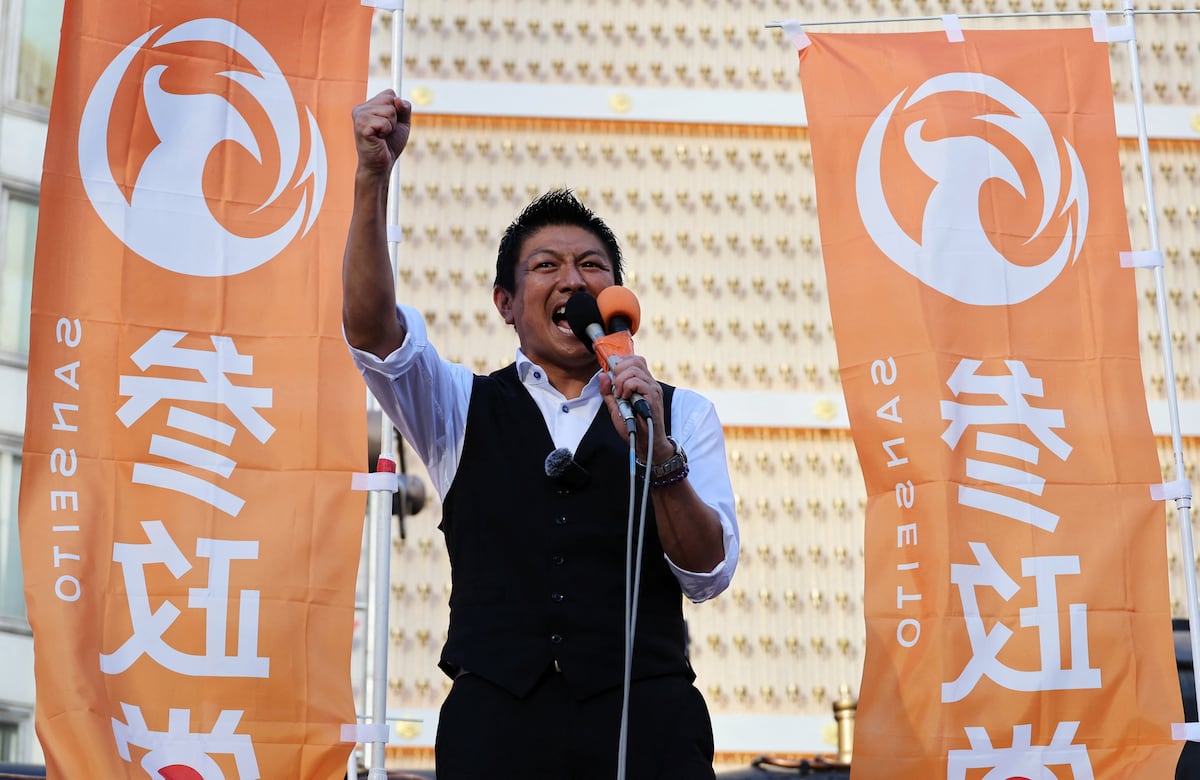
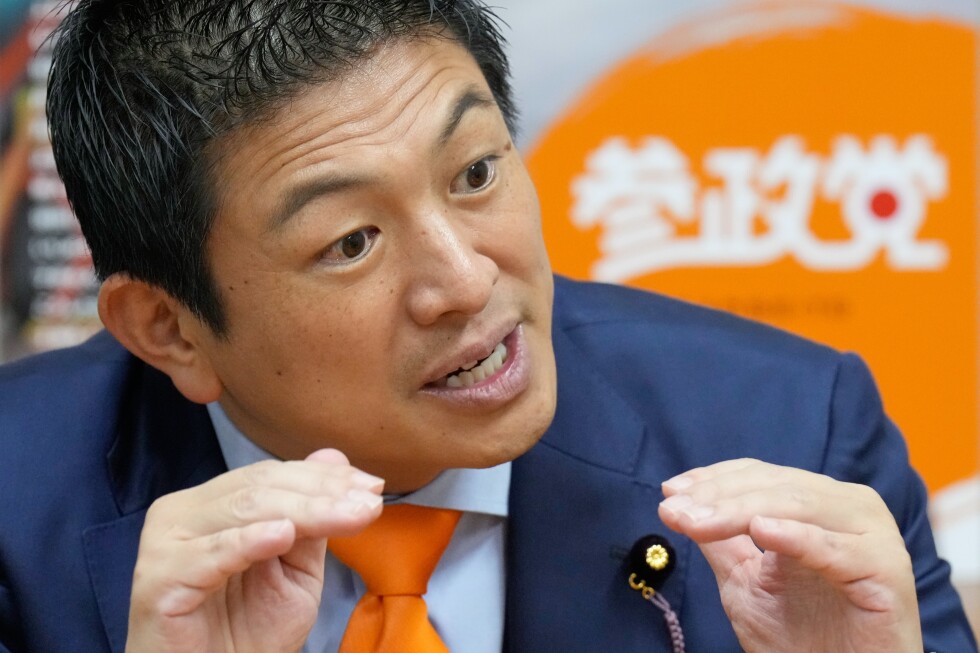
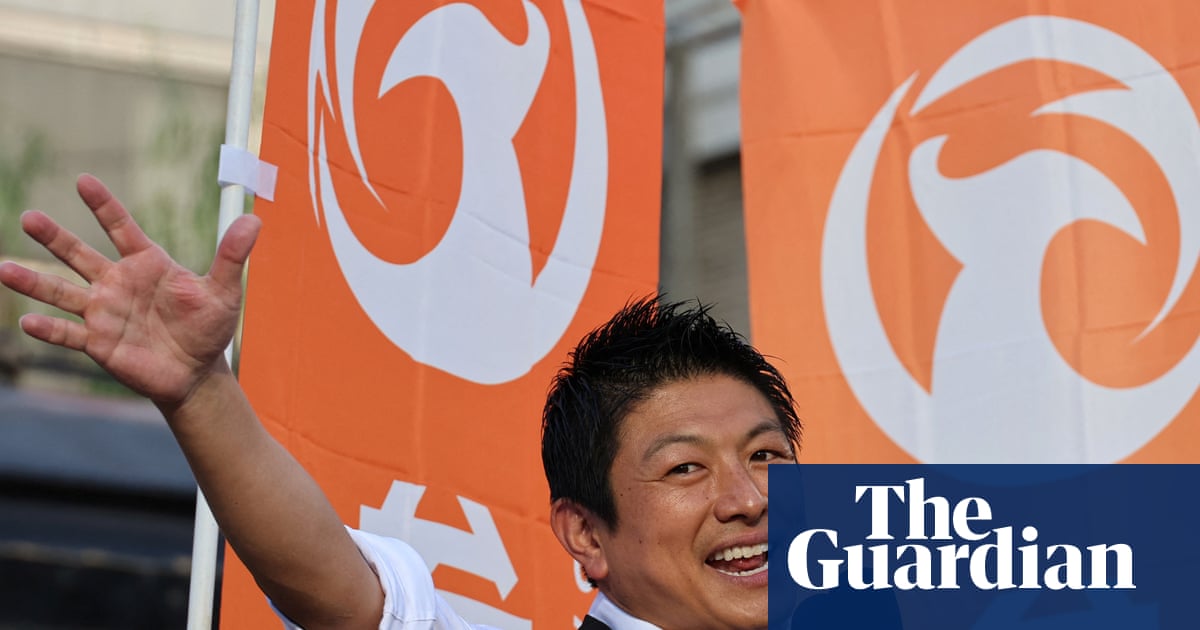
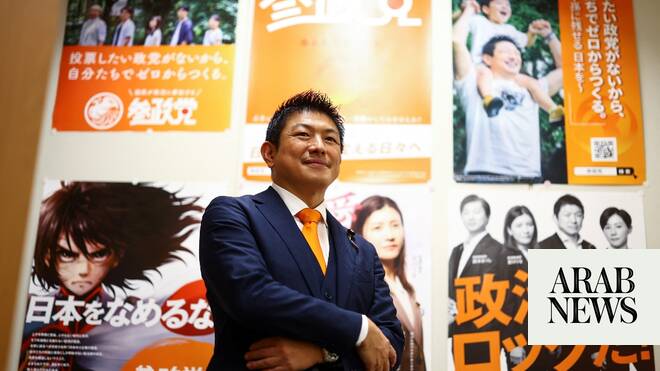
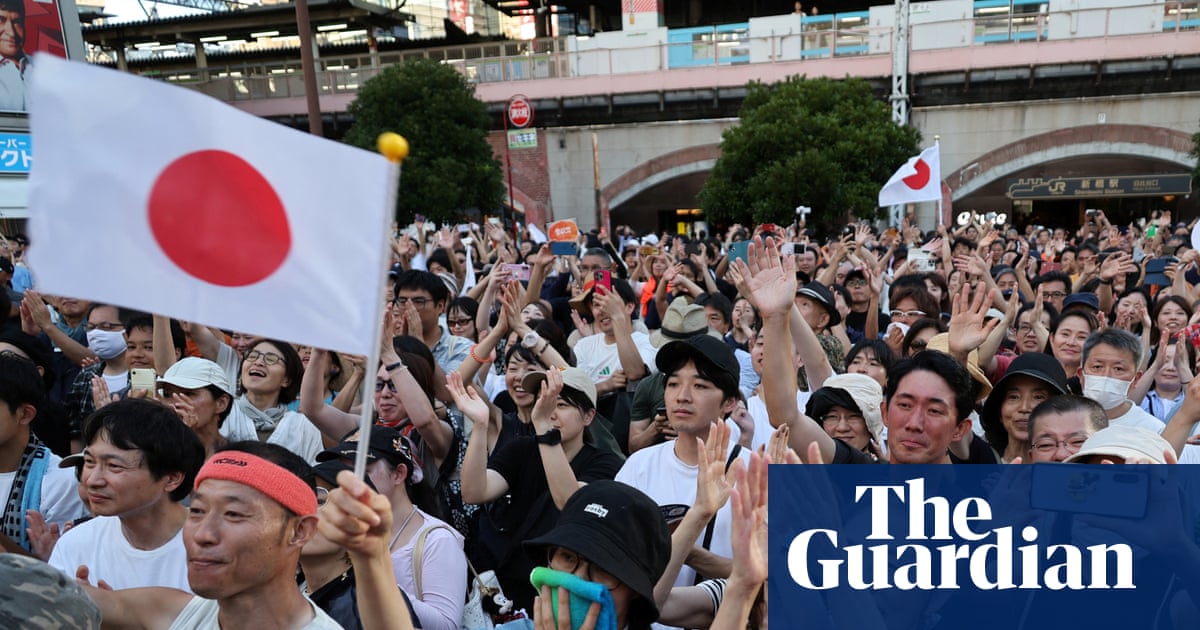
The emergence of a right-wing populist party in Japan’s upper house election on Sunday running on a Trump-style “Japanese First” slogan has raised concerns of a backlash against the growing foreign presence in the country.
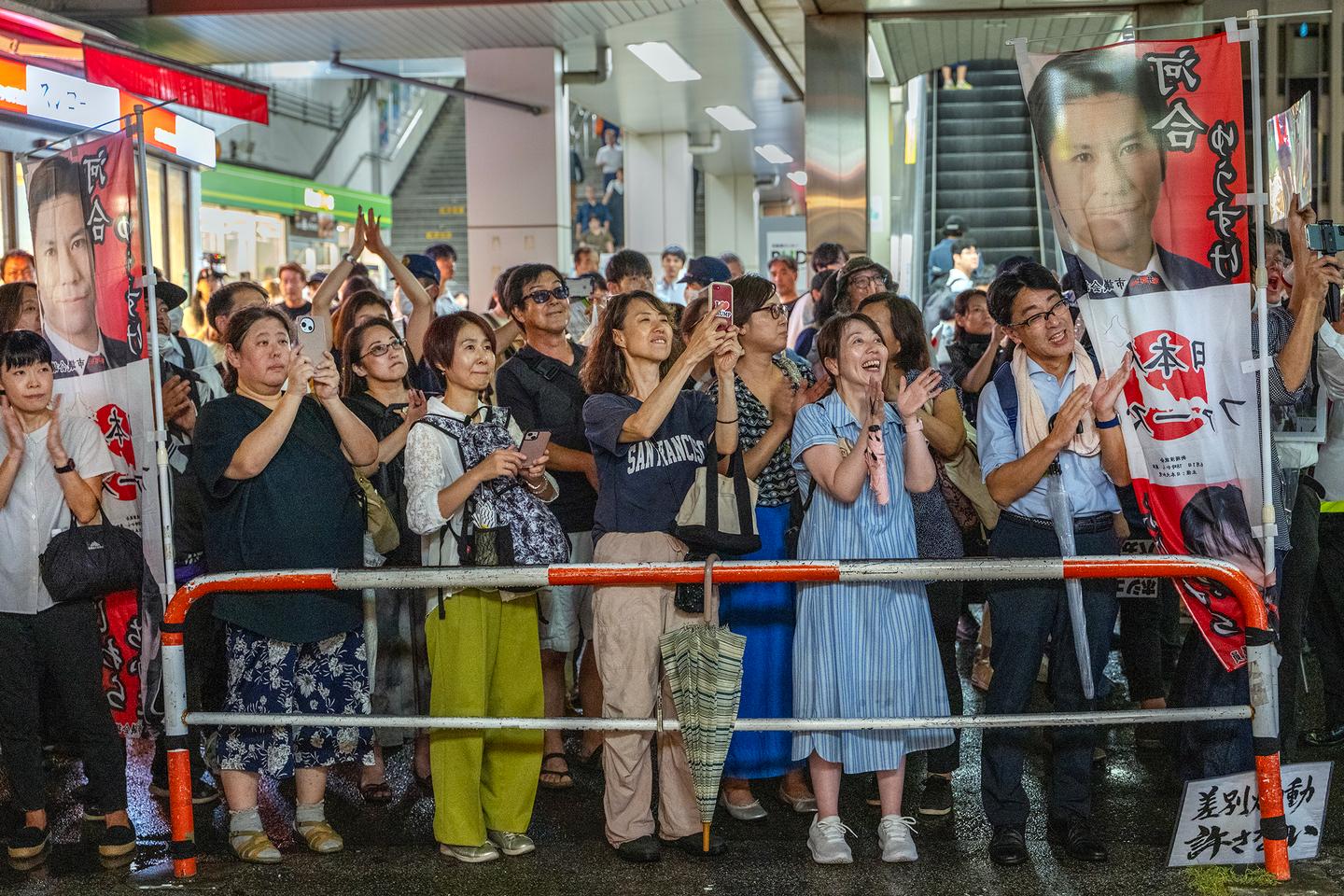
The party, Sanseito, has successfully tapped into unease around an expanding immigrant population and a huge influx of tourists after the pandemic. But many see the underlying cause as economic insecurity among a population that both understands the need for overseas labour and visitors, and feels anxiety at the changes they bring and symbolise.
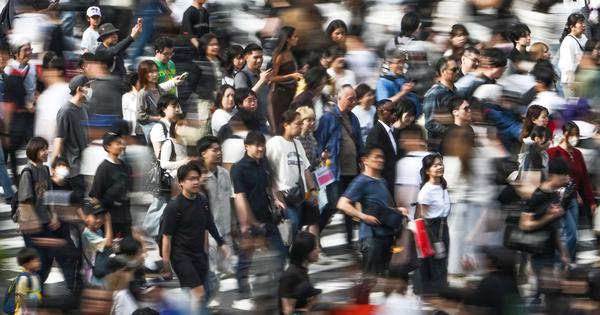
Sanseito’s new contingent of 14 upper house lawmakers, up from a single seat in the previous election, is undoubtedly a breakthrough, but still leaves it a minor force in the 248-seat chamber. Its success comes against the backdrop of a record 3.8 million foreign residents as of 2024, tourist visits surpassing 20 million in the first quarter of this year, and Tokyo property prices rapidly rising due to wealthy foreign buyers.
“To put it simply, I feel like the Japanese are starting to lose confidence,” says Masafumi Usui, a social psychology professor at Niigata Seiryo University. “When you’re living a comfortable life and are respected by others, then you feel secure, and you’re more open. But when people feel that their survival is under threat or in crisis, they start wanting to protect their existing culture. I think that leads to things like patriotism and xenophobia.”