To learn more about the CNBC CFO Council, visit cnbccouncils.com/cfo
As the U.S. begins its first federal government shutdown since 2018, with uncertain repercussions for the economy, the ghost of Elon Musk continues to rattle real estate markets across the U.S.
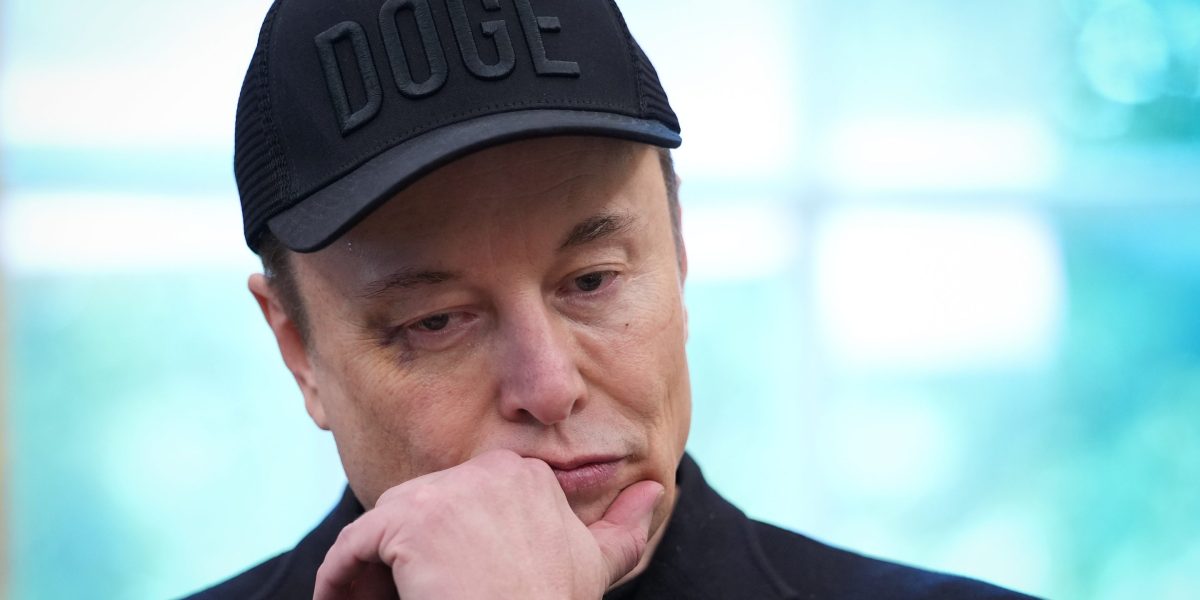
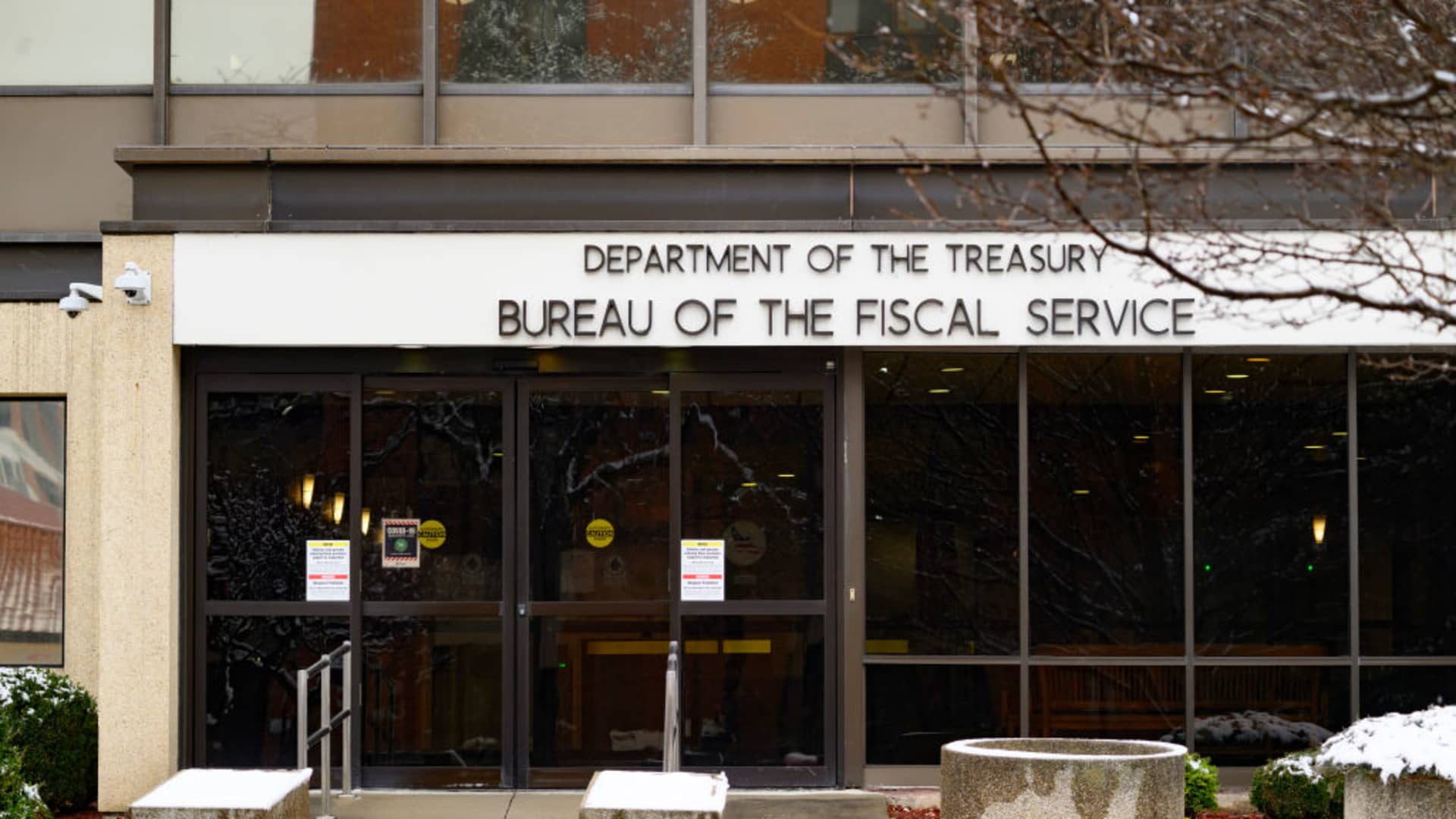
Even though Musk left the government months ago, his legacy remains with DOGE. One of the ways in which DOGE has sought to cut government expenses has been to cancel leases of hundreds of offices across the country. While the DOGE website lists how much has been saved from each cancelled lease — in all, 384 cancelled leases at an estimated savings of roughly $140 million — experts say the savings come at a broader economic cost.
Cameron LaPoint, assistant professor of finance in the Yale School of Management, has studied the impact of DOGE closures on the commercial real estate market. LaPoint points out that the government, as a tenant, used to be a very safe bet. Because of that, their leases often included cancellation clauses that rarely were invoked — it was a goodwill gesture from the landlord that cost them little. Until now.
“If you and I are renting an apartment and cancel the lease, there is a penalty of several months’ rent,” LaPoint said. But when the government cancels a lease, the landlords are left high and dry. That is happening in cities large and small, rural and red, urban and blue. “A lot of private landlords are renting space out to government agencies, and they were counting on these agencies being in their space paying rent for five years. Now landlords have to find new tenants,” LaPoint added.