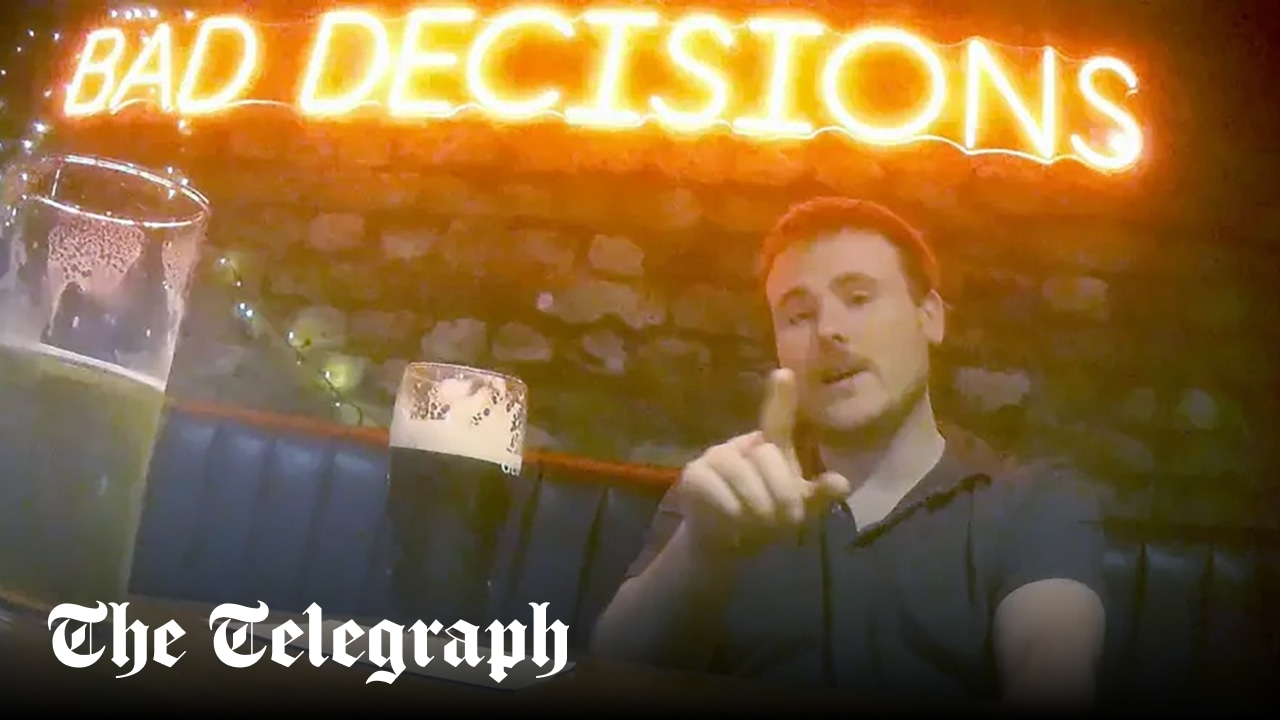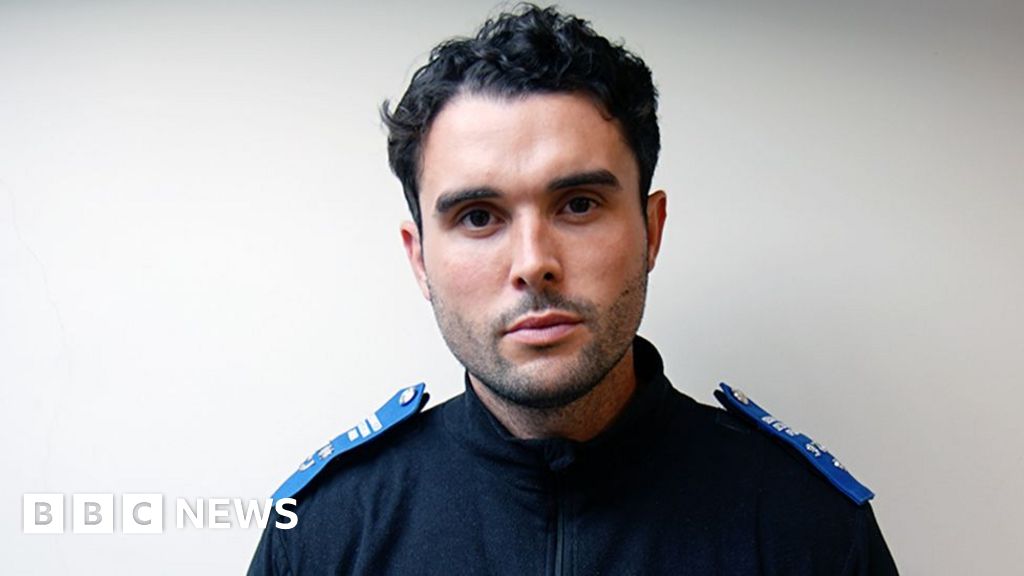
Adjusting his uniform, Rory Bibb glanced in the mirror before setting off to start his new job. "I feel ready," he told his video diary.
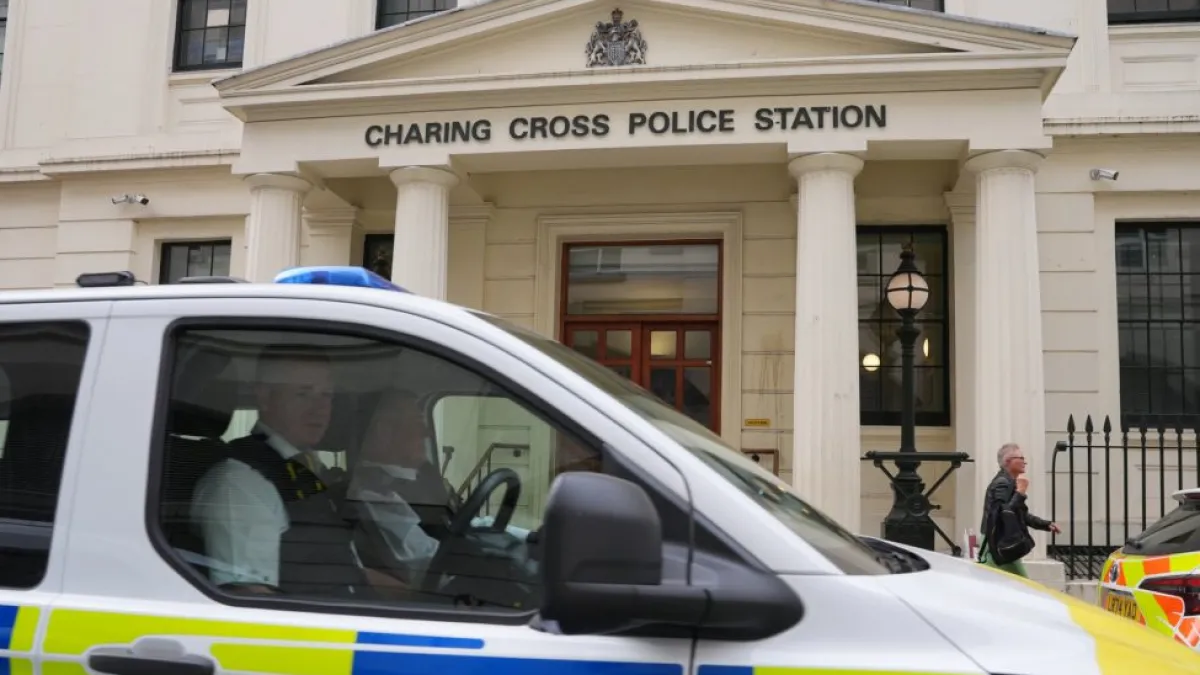
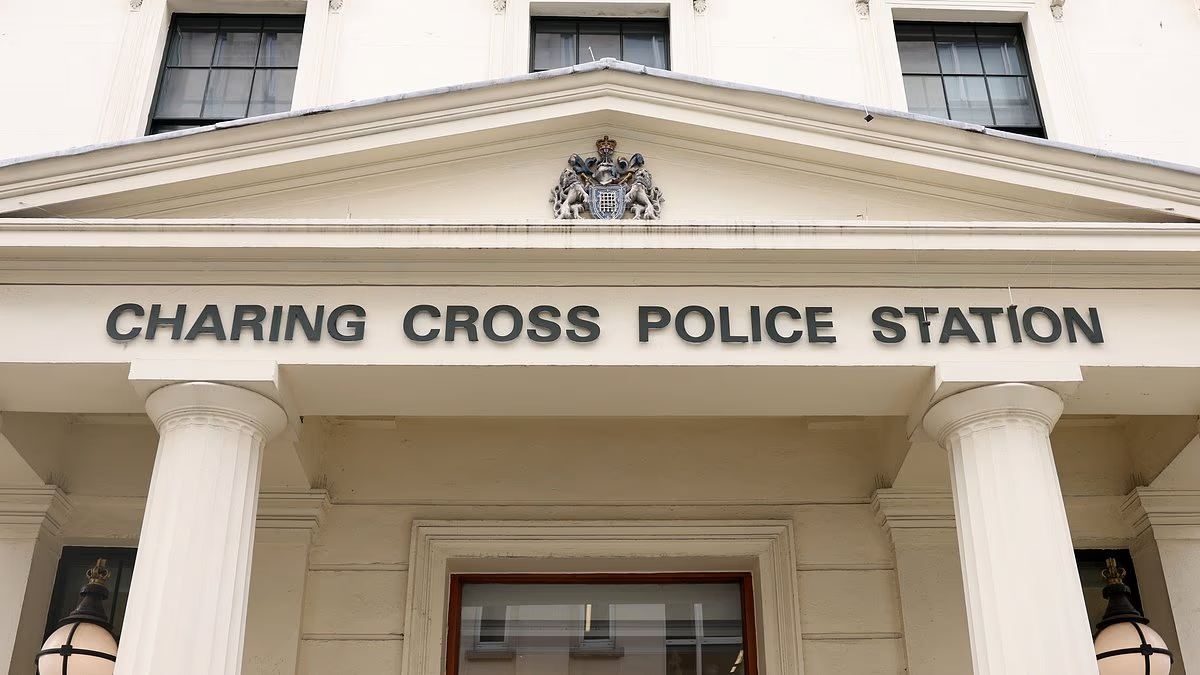
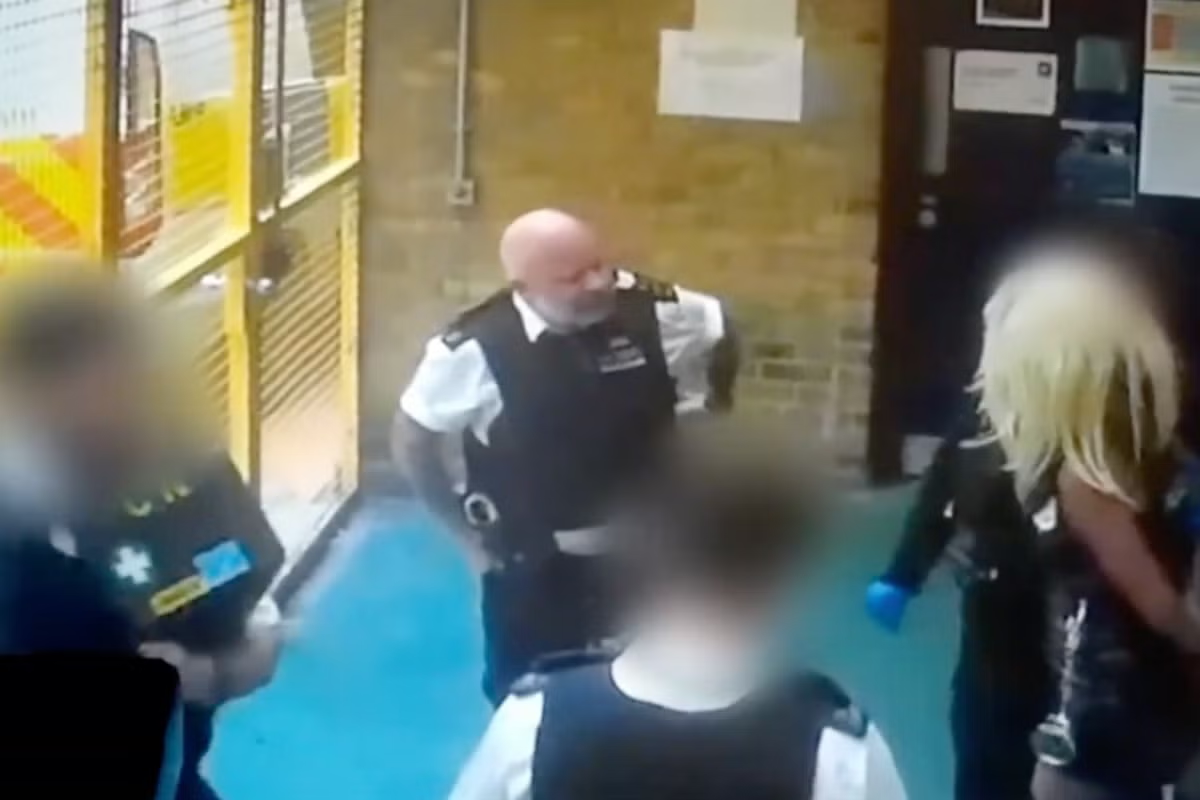
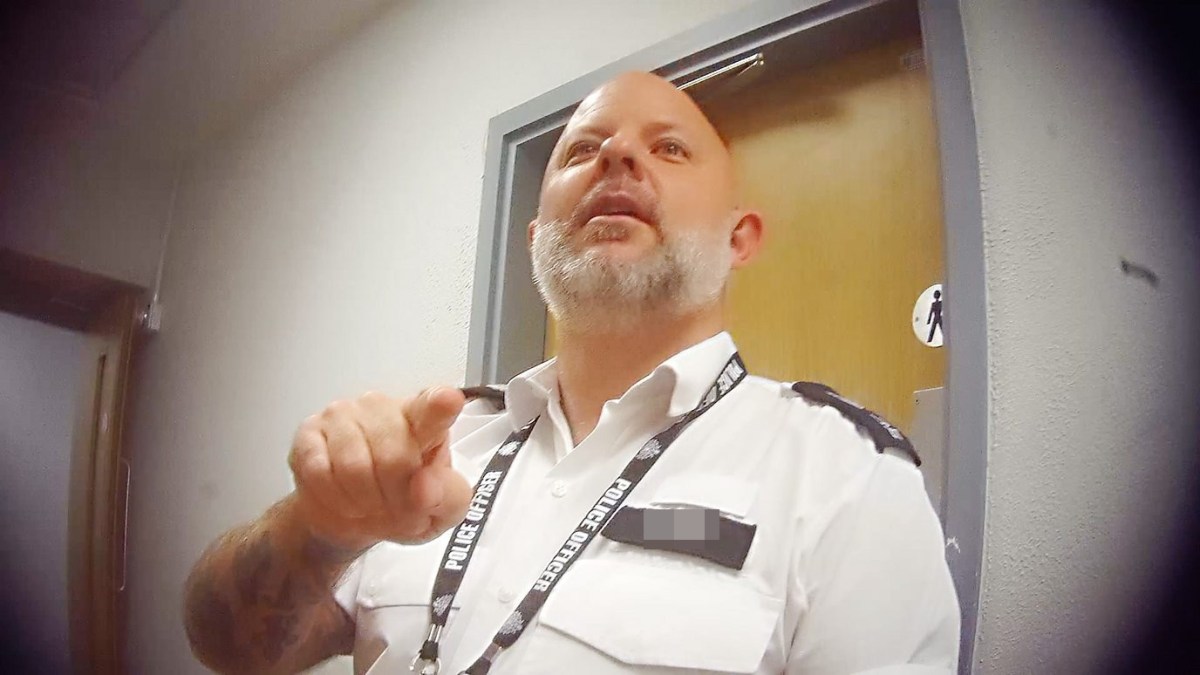
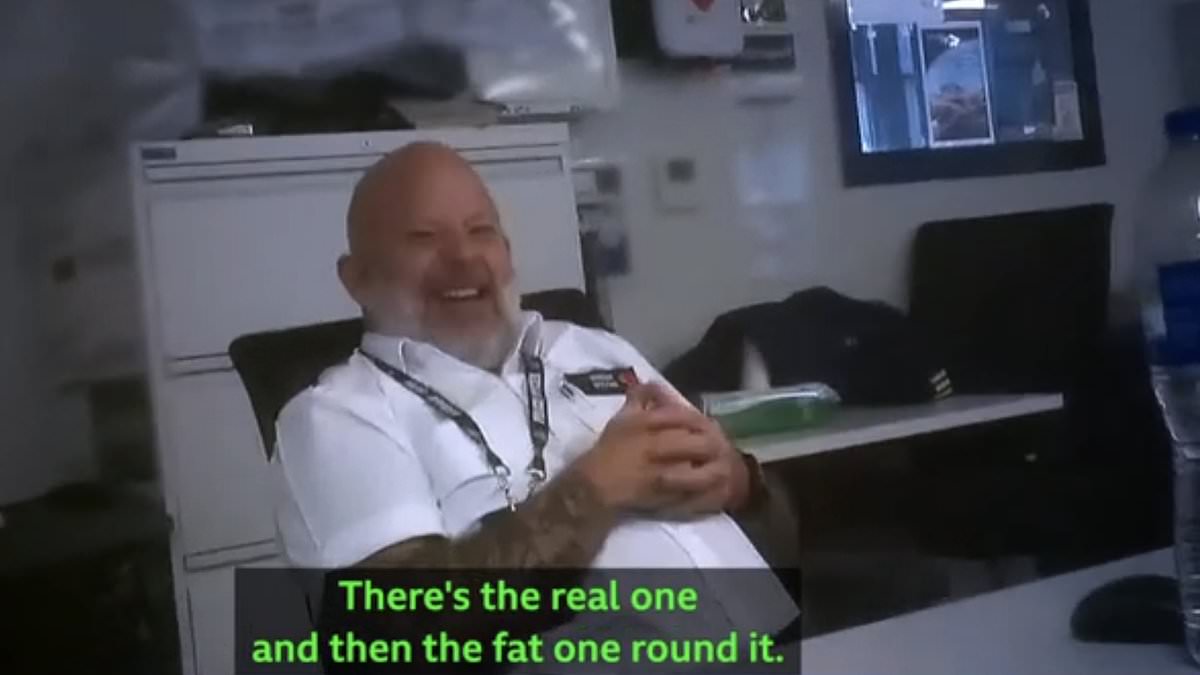
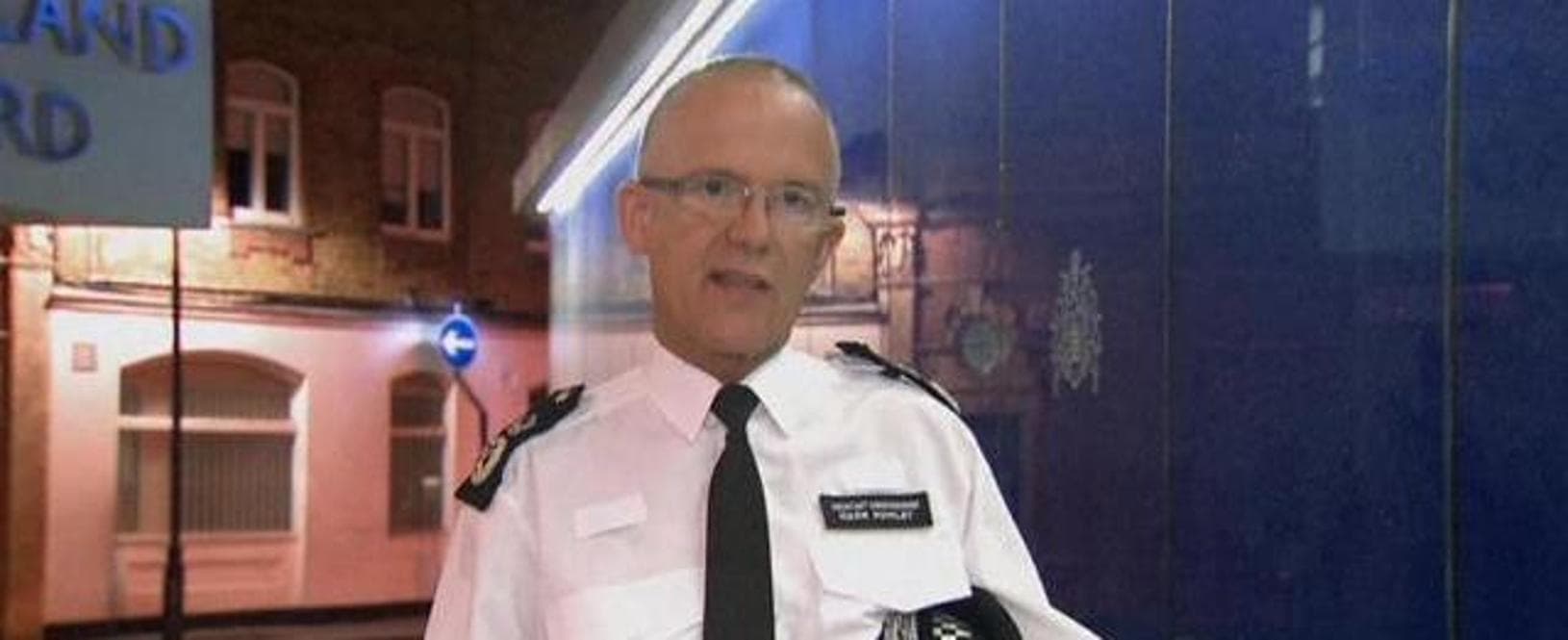
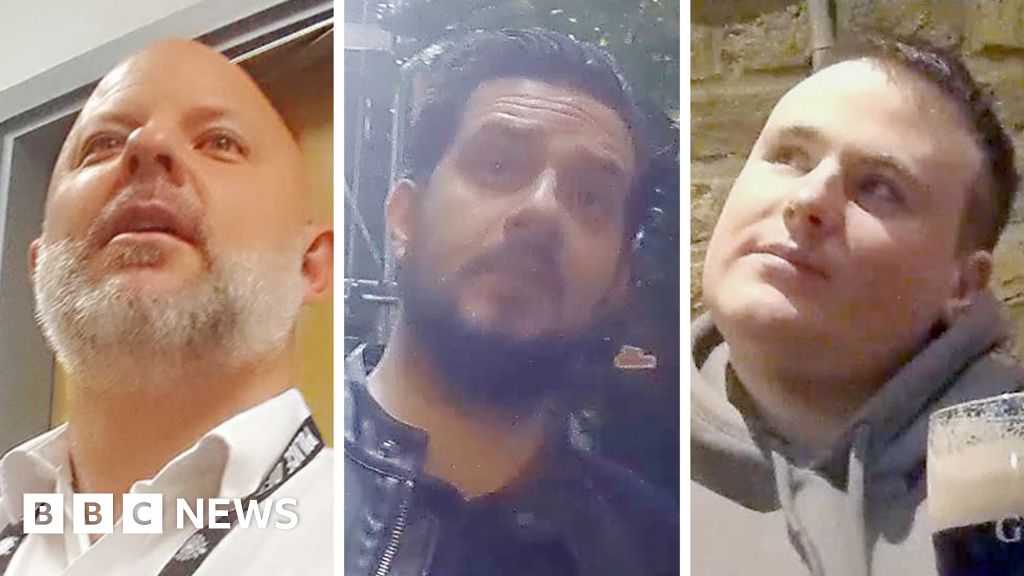
This was no ordinary first day. For the next seven months, Rory was employed as a designated detention officer at London's Charing Cross police station. He was also secretly working for Panorama, capturing shocking video evidence of misogyny, racism and officers revelling in the use of force.
The BBC had placed an undercover reporter within the UK's largest police force.
For responsible investigative journalists, the decision to undertake covert filming like this is never an easy one. Going undercover involves deception and intrusion as tools of public interest journalism, and to justify this there needs to be sufficient evidence of wrongdoing.
And in Charing Cross police station, one of the capital's busiest, there was plenty to suggest that all was not right.