Wall Street is largely convinced that the American economy will avoid a recession, with stocks climbing higher week after week thanks to this optimism. Yet consumers on the ground are looking increasingly shaky, pushing confidence barometers into unhealthy territory.
A few times this year recession indicators have flashed a warning. The yield curve inverted and then promptly righted itself. And the White House’s tariff plans led the likes of JPMorgan’s Jamie Dimon to warn economic contraction can’t be taken off the table.
This week came another warning: The Conference Board’s Expectations Index, which analyzes the short-term outlook for income, business, and labor market conditions—decreased by a further 1.3 points to 73.4. The benchmark triggering a recession warning is a reading of 80.
Consumer confidence dropped “sharply” in September, the organization wrote. Its Consumer Confidence Index declined to 94.2 in September from 97.8 in August, while the Present Situation Index (based on consumers’ assessments of business and labor market conditions) fell seven points to 125.4. Both indexes are measures against a 100-point benchmark recorded in 1985.
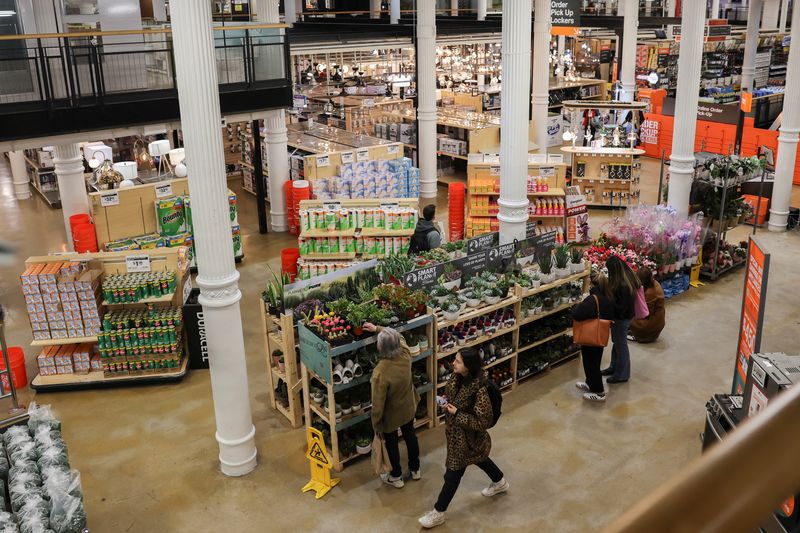
If there’s one part of the economy that analysts don’t want to see weakening, it’s consumers. This week regional Fed President Beth Hammack highlighted that Wall Street’s expectations of solid business performance were derived from stable consumer spending. Indeed, the likes of Bank of America CEO Brian Moynihan have expressed their surprise and optimism given that American consumers have fared so well in the past couple of years, and have continued to drive the economy as a result.