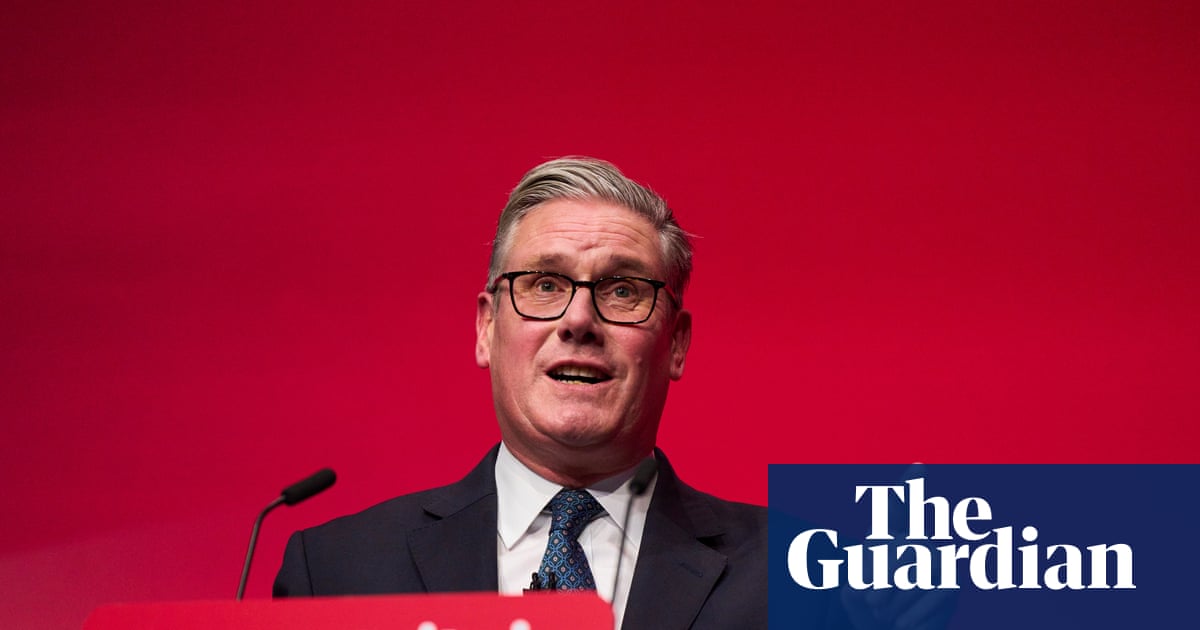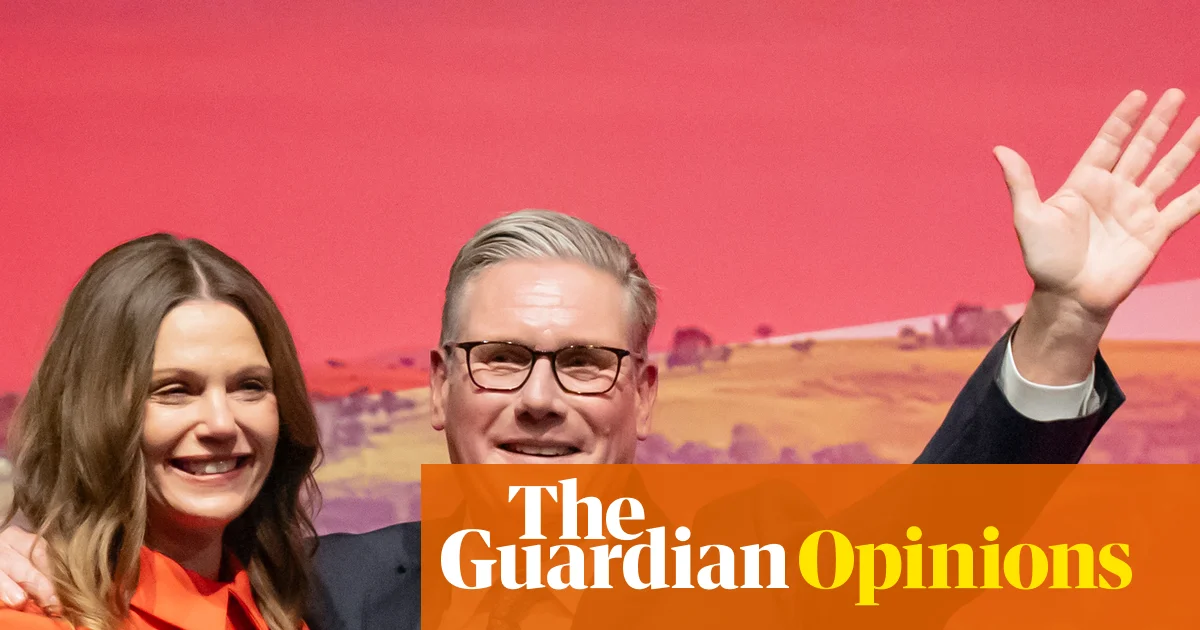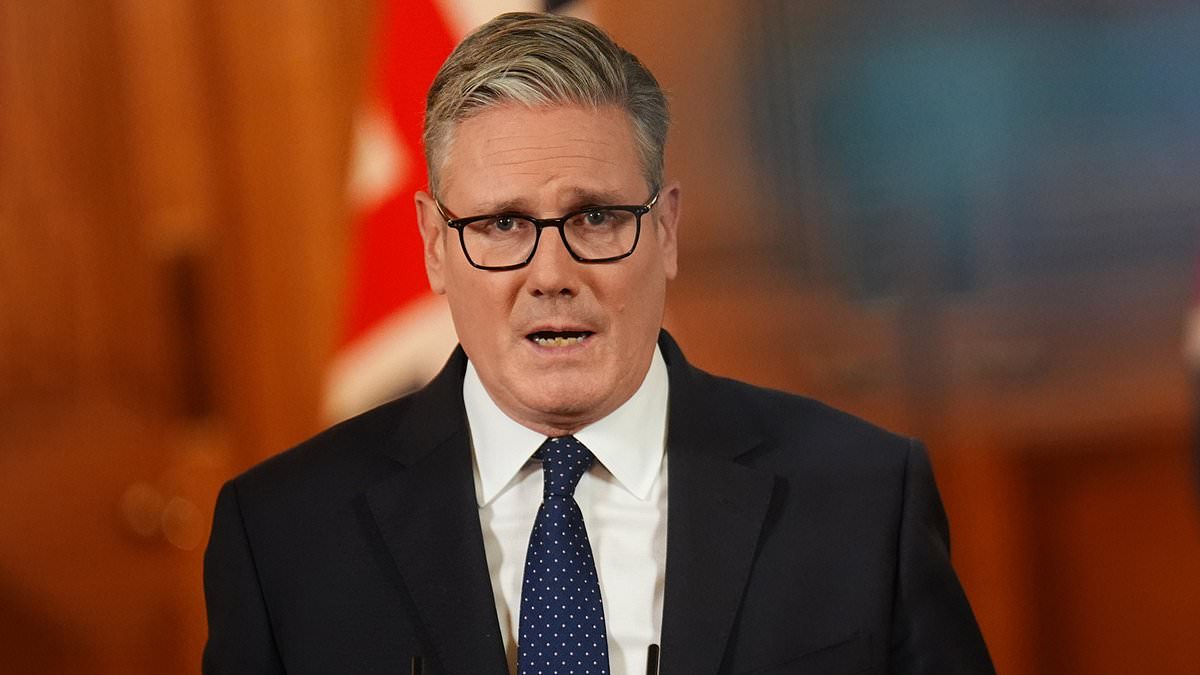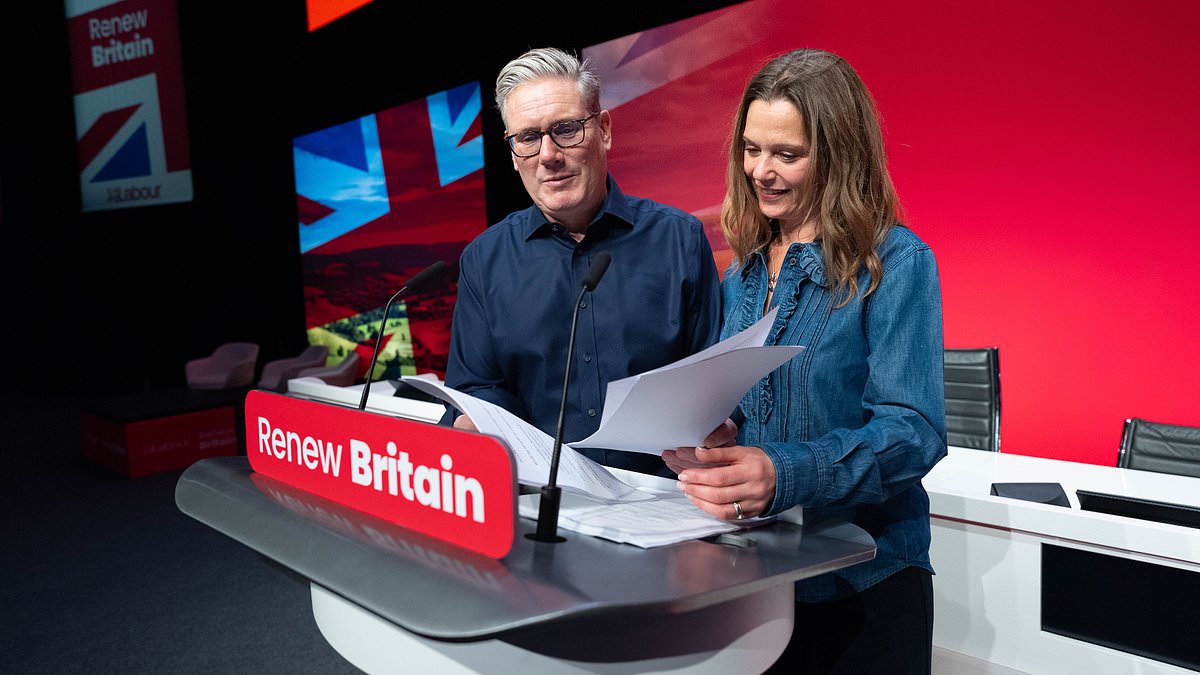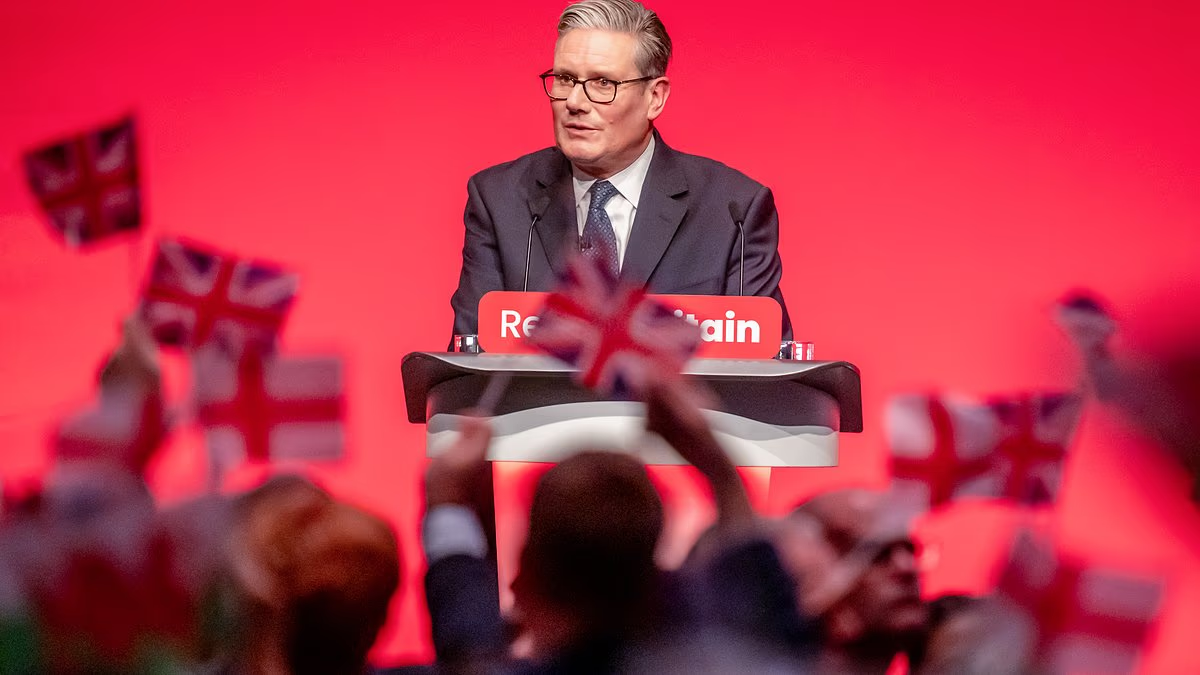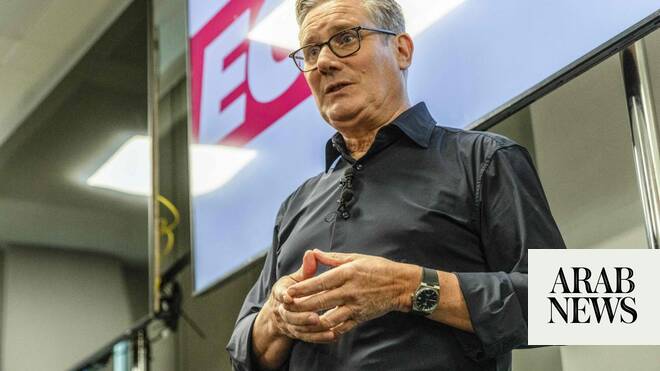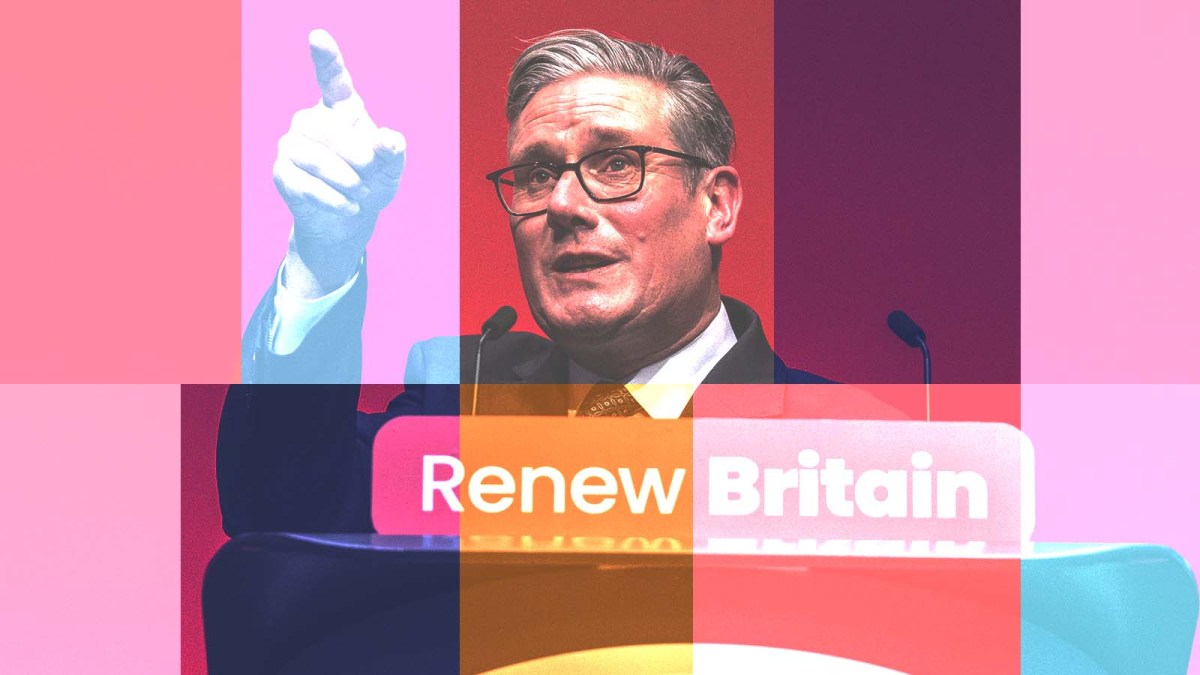
So there it is: what Sir Keir Starmer really believes in. Not much of his conference speech was especially surprising — beyond, perhaps, the fact of its uneventful delivery. Undisturbed by protest or heckles, the prime minister did a perfectly good job. Sometimes his oratory was a little flat, a few passages were rushed. But mostly it was just fine. This is what the prime minister does at conferences. Expectations are always low, for one reason or another — Labour’s internecine strife, global turmoil, Starmer’s limitations as a raconteur — and invariably he exceeds them.
No surprises there, then. Nor in the content. The text of the speech did contain Labour’s equivalent of a rare earth metal: a new policy that wasn’t leaked ahead of time. Abolishing the target for 50 per cent of school leavers to attend university introduced by Tony Blair’s government was significant, and reminds us of something often obscured by Starmer’s conscious and sometimes unconvincing imitation of New Labour’s choreography. His is a different kind of progressivism and this is a different kind of government. He, too, is a different kind of politician, and a different man.
Cabinet ministers had heard this sort of thing before. Addressing awaydays in February and July, Starmer offered them a very similar analysis to that we heard at greater length in Liverpool: the old age of untrammelled globalisation is over, a new age of insecurity has begun and the centre-left must reckon with the big calls it got wrong on migration and national identity. The losers of that era — mostly men in blue collars, like a certain toolmaker from Surrey — were paid insufficient respect by the political parties founded to give them representation.