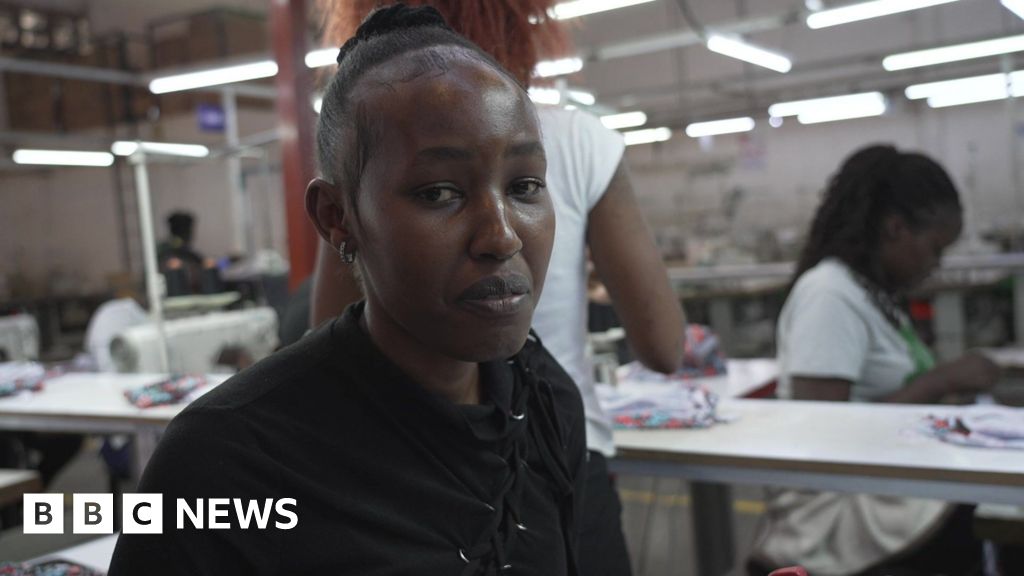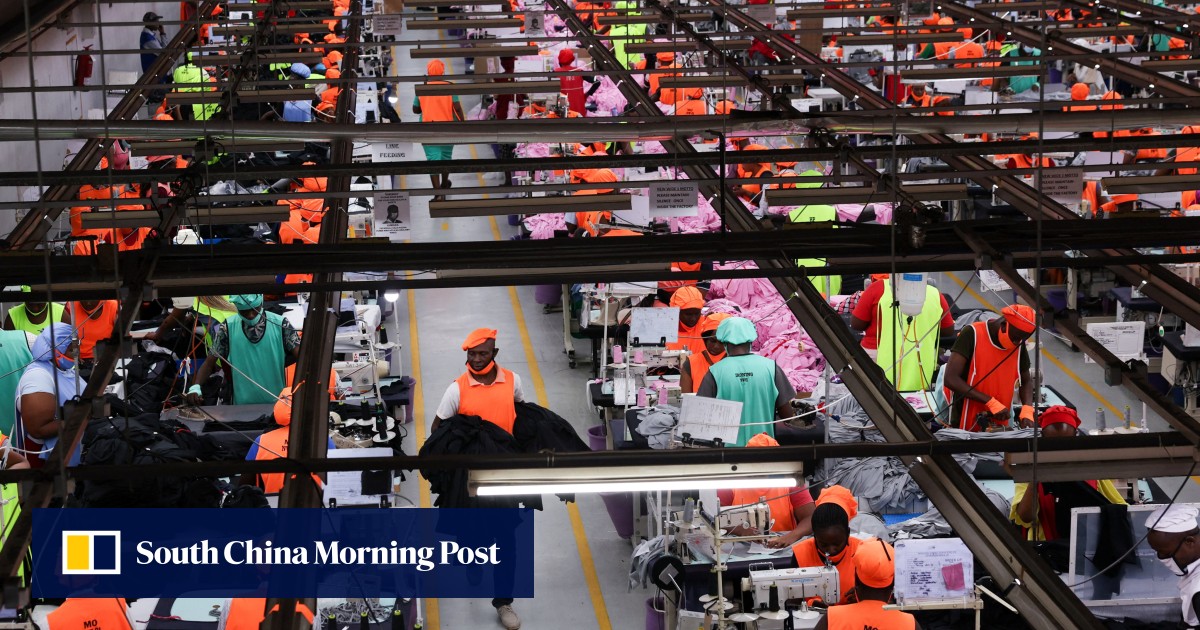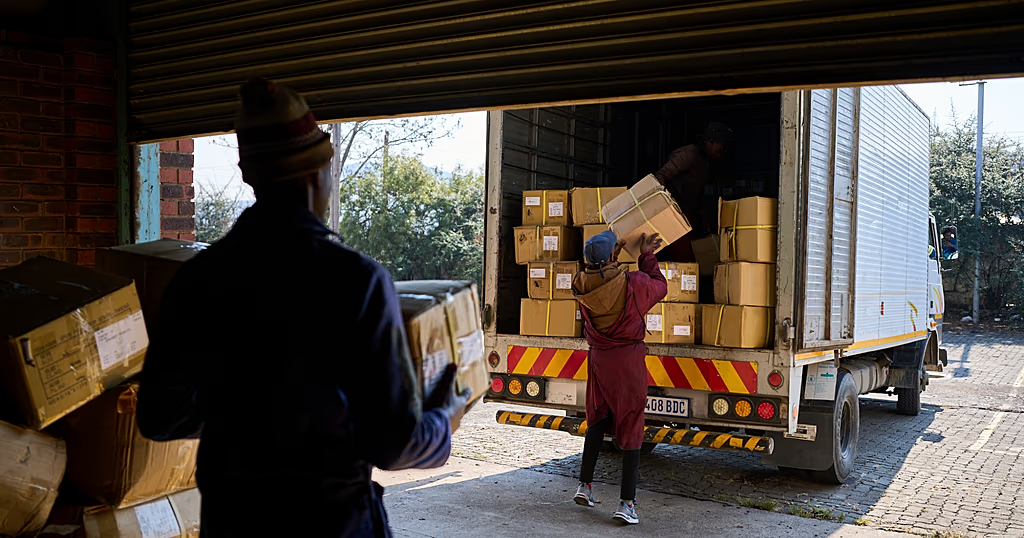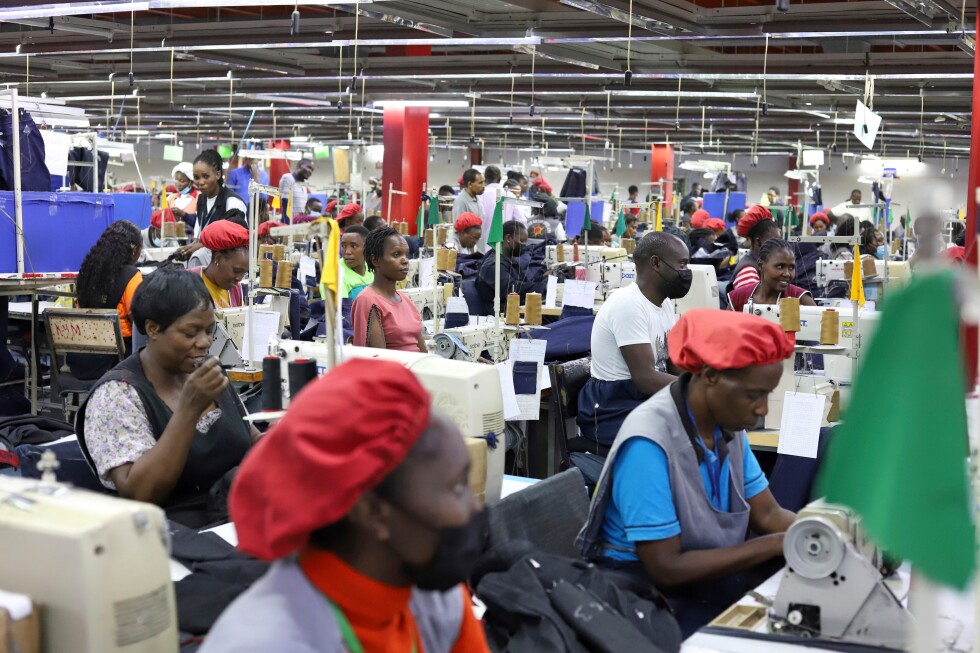
NAIROBI, Kenya (AP) — Workers and industry are bracing for the end of a longstanding U.S. trade agreement that gave African exporters preferential treatment and now leaves businesses vulnerable to new competitive pressures and tariffs.The African Growth and Opportunity Act will terminate as scheduled Tuesday amid uncertainty over renegotiations and the looming impact of new tariffs announced by the White House in April.AGOA is a multilateral trade agreement that has given thousands of products from qualifying African nations duty-free access to U.S. markets since 2000.A key example of the deal’s impact can be found in Kenya, where it has allowed the country’s textile and apparel sector — makers of jeans, for instance — to effectively compete with Asian exporters such as in Bangladesh and Vietnam.“If AGOA goes away we have zero chance to compete with the Asian countries,” said Pankaj Bedi, owner of United Aryan, an apparel manufacturer in Nairobi that exports Levi’s and Wrangler jeans to the U.S.
Textile and apparel exports from Kenya to the U.S. have grown from around $50 million when AGOA was first introduced to around $500 million today.
4 MIN READ
6 MIN READ
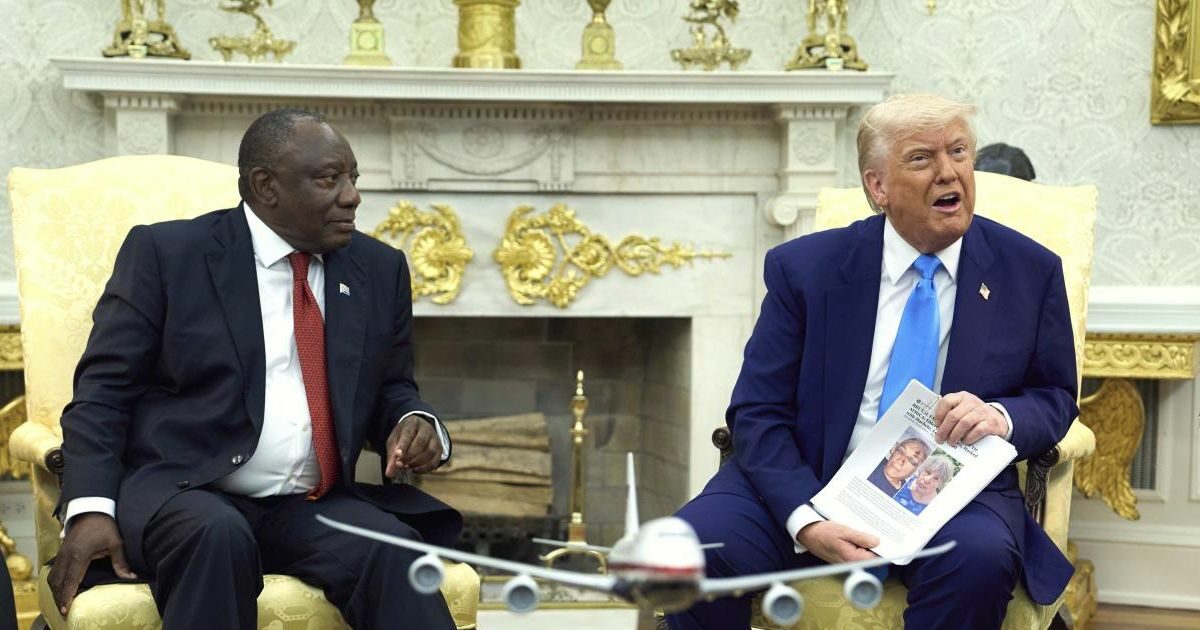
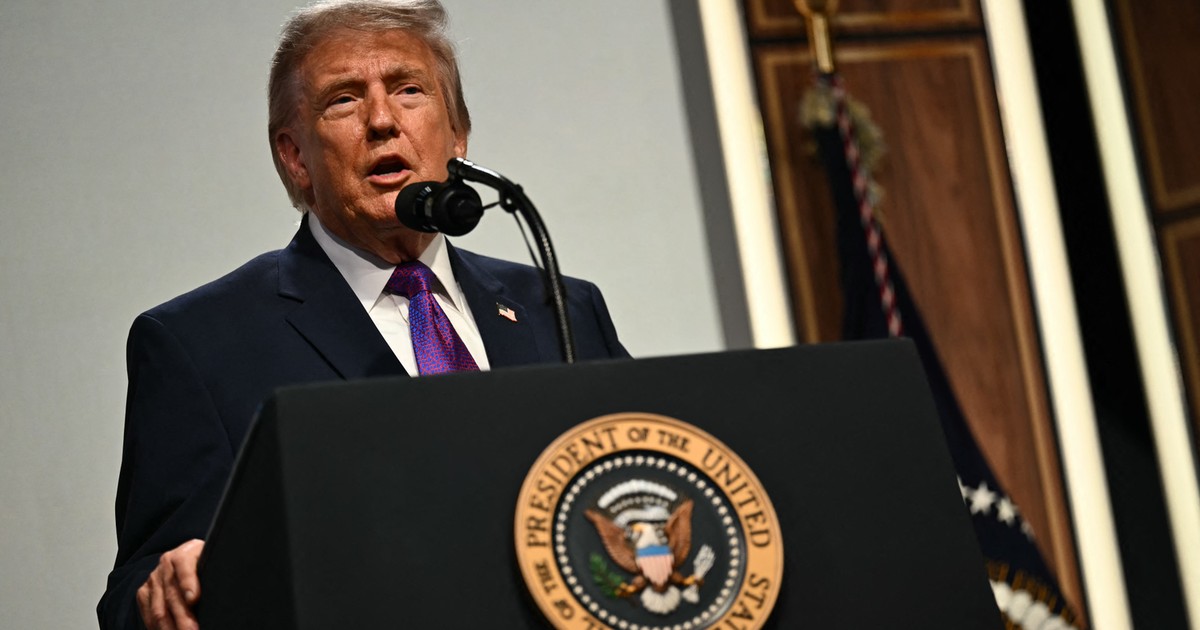
“I will be asking (Trump) for the U.S. to consider seriously renewing and extending AGOA for at least a minimum of five years,” Kenyan President William Ruto said last week at the U.N. General Assembly. “It is a platform that connects Africa and the U.S. in a very fundamental way.”