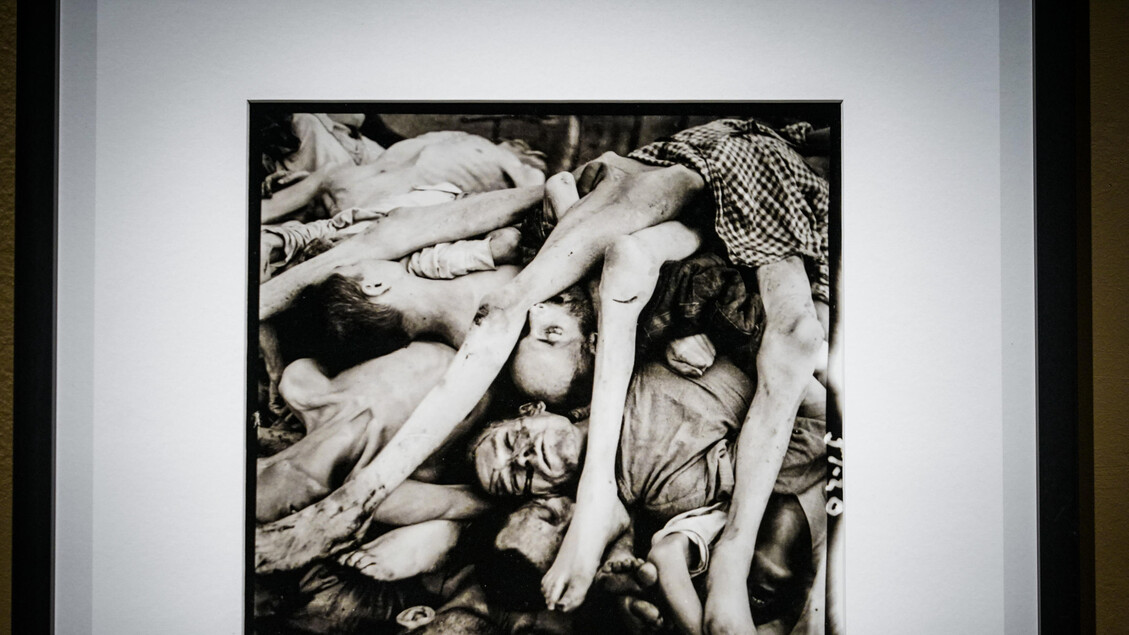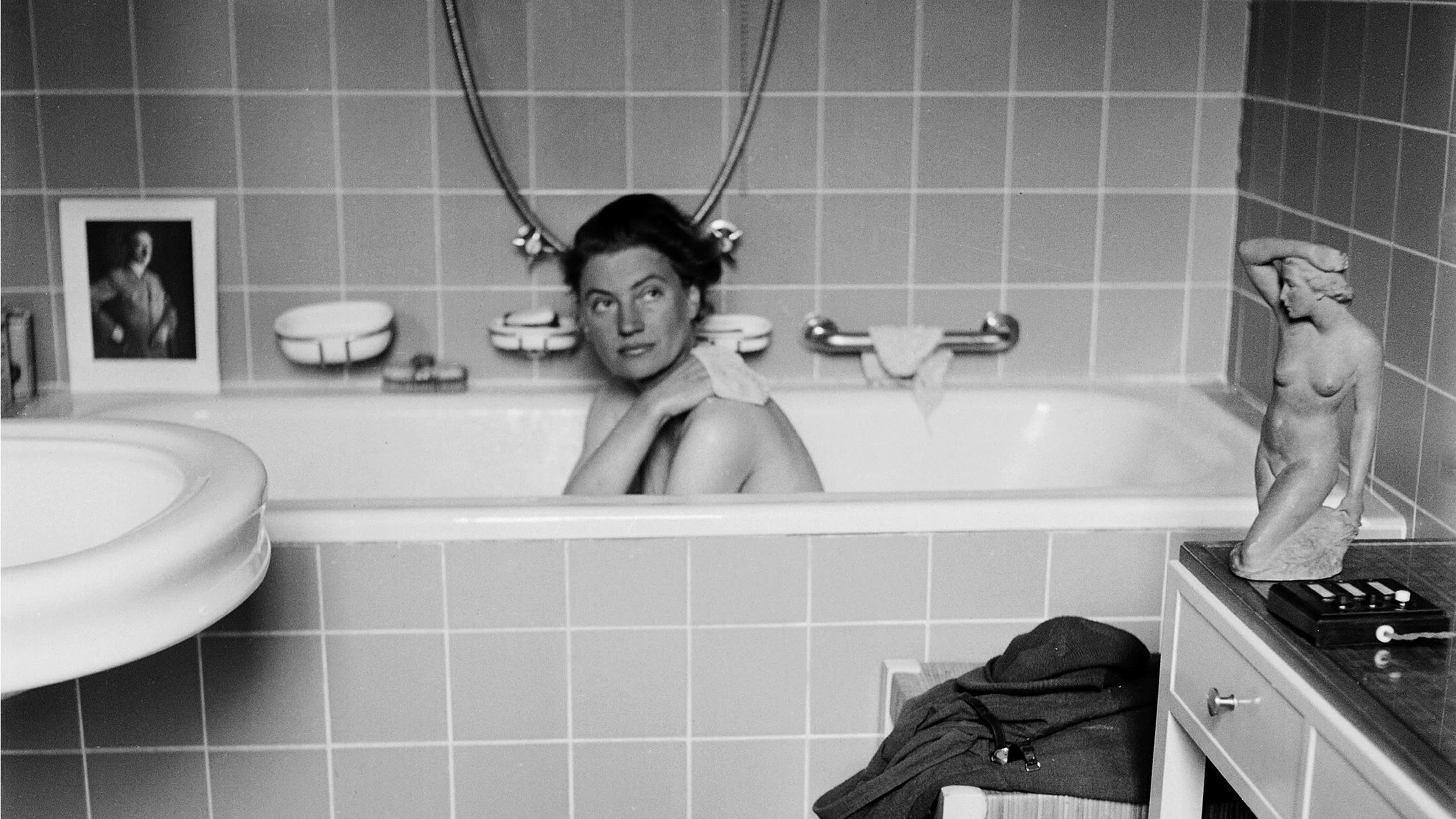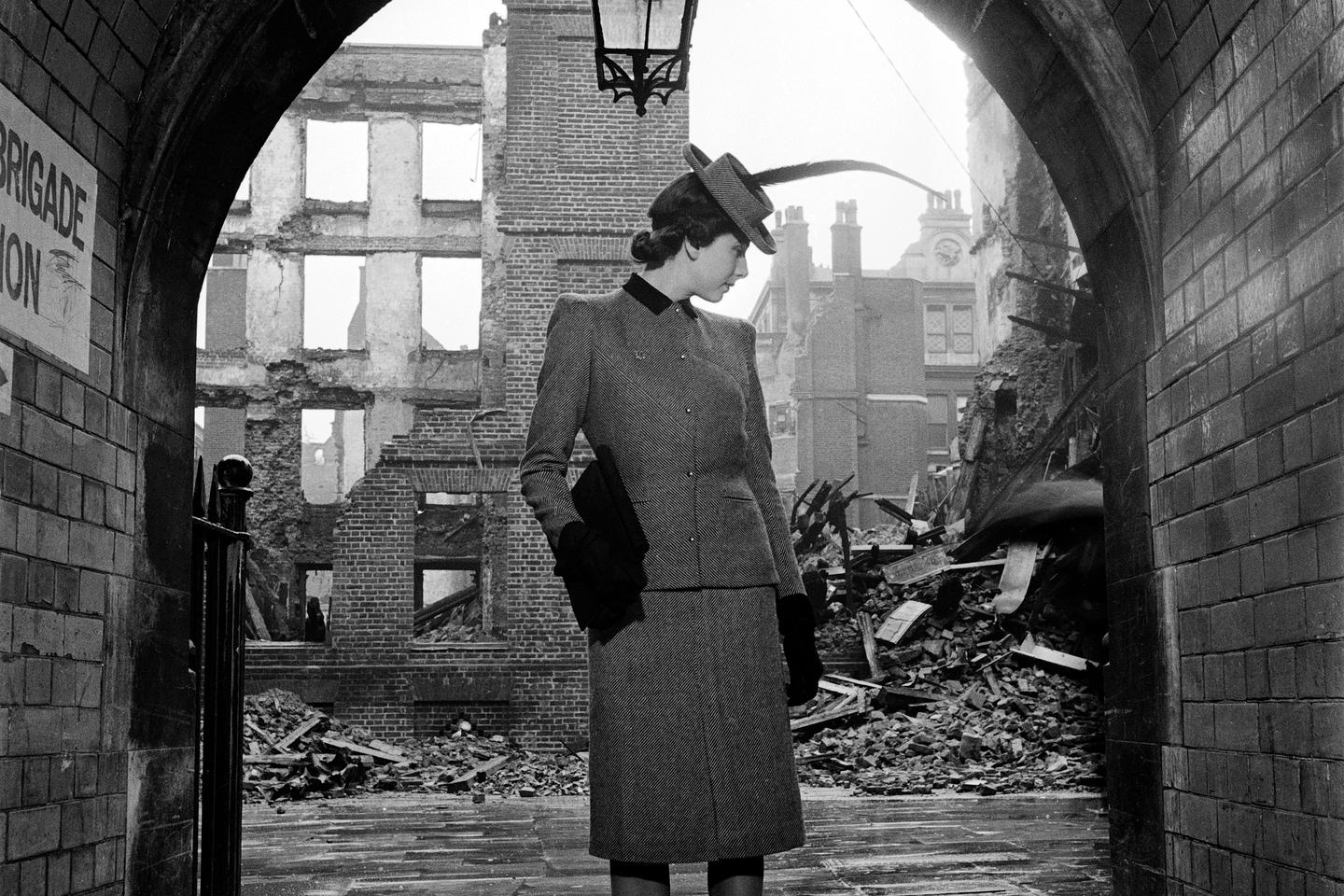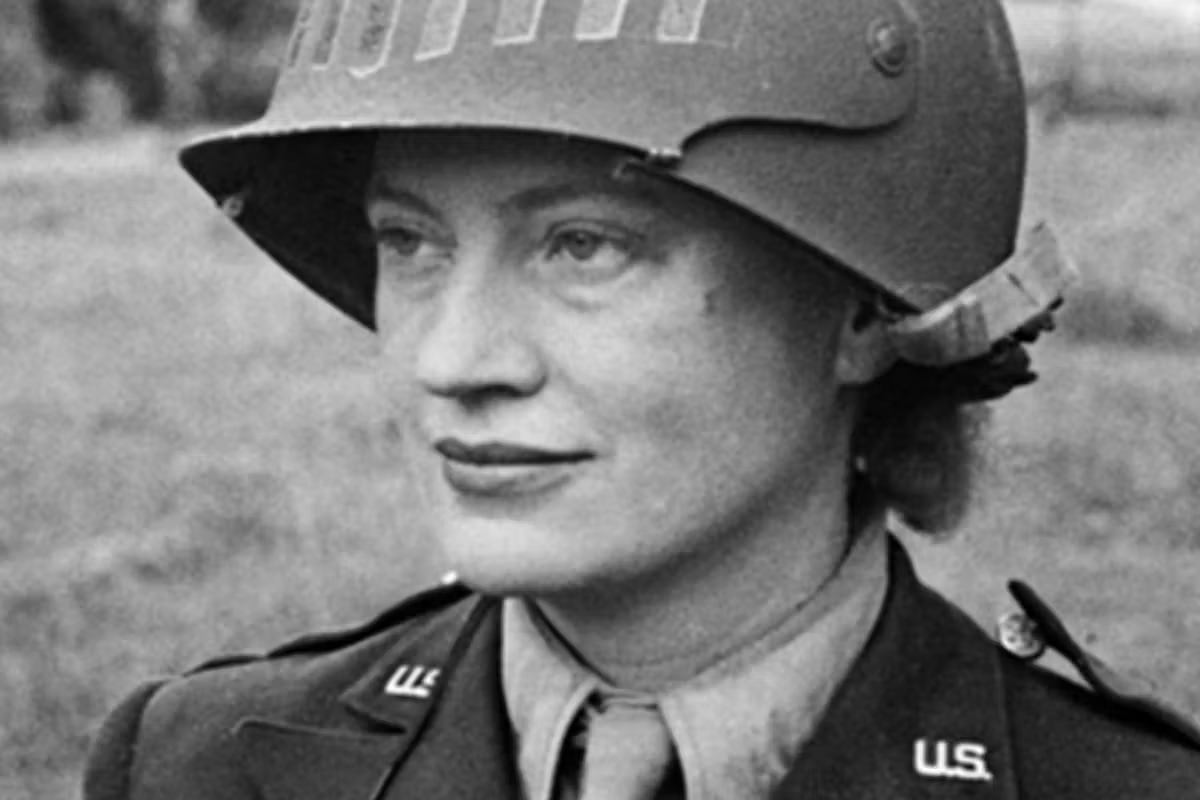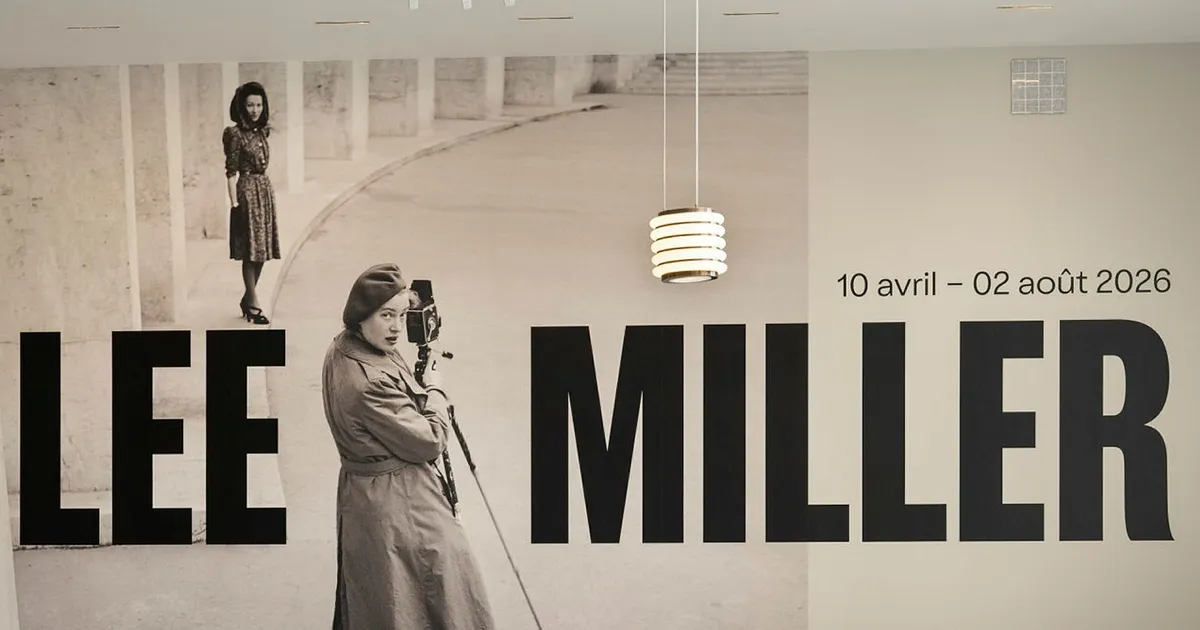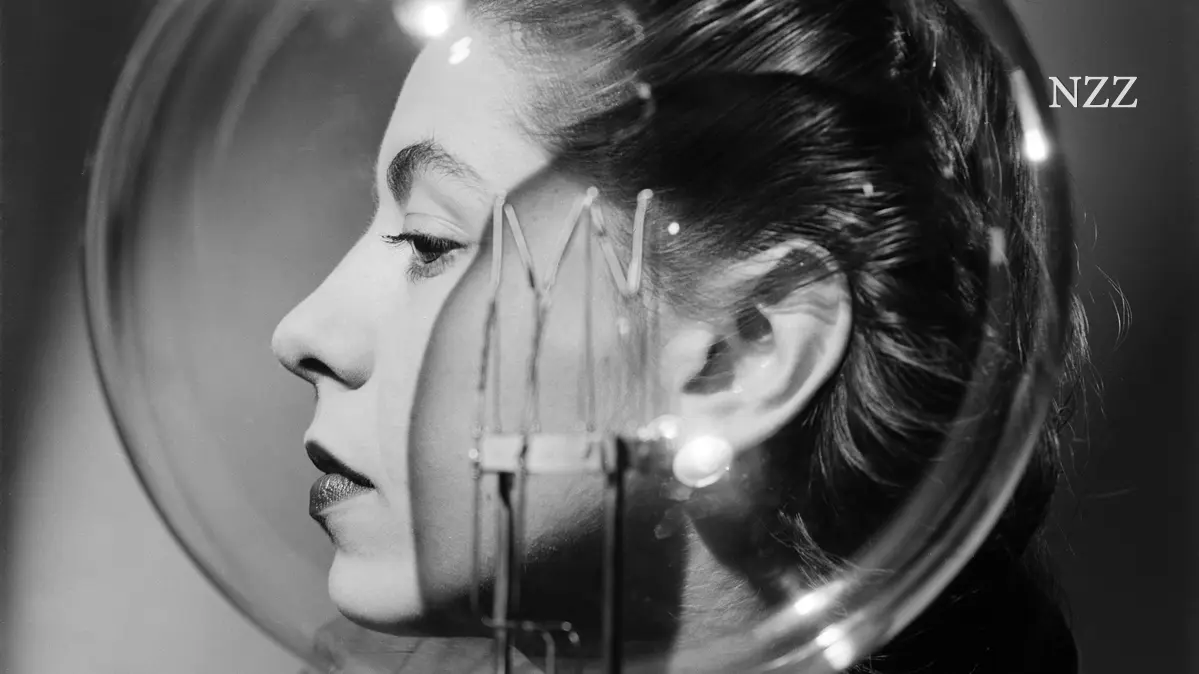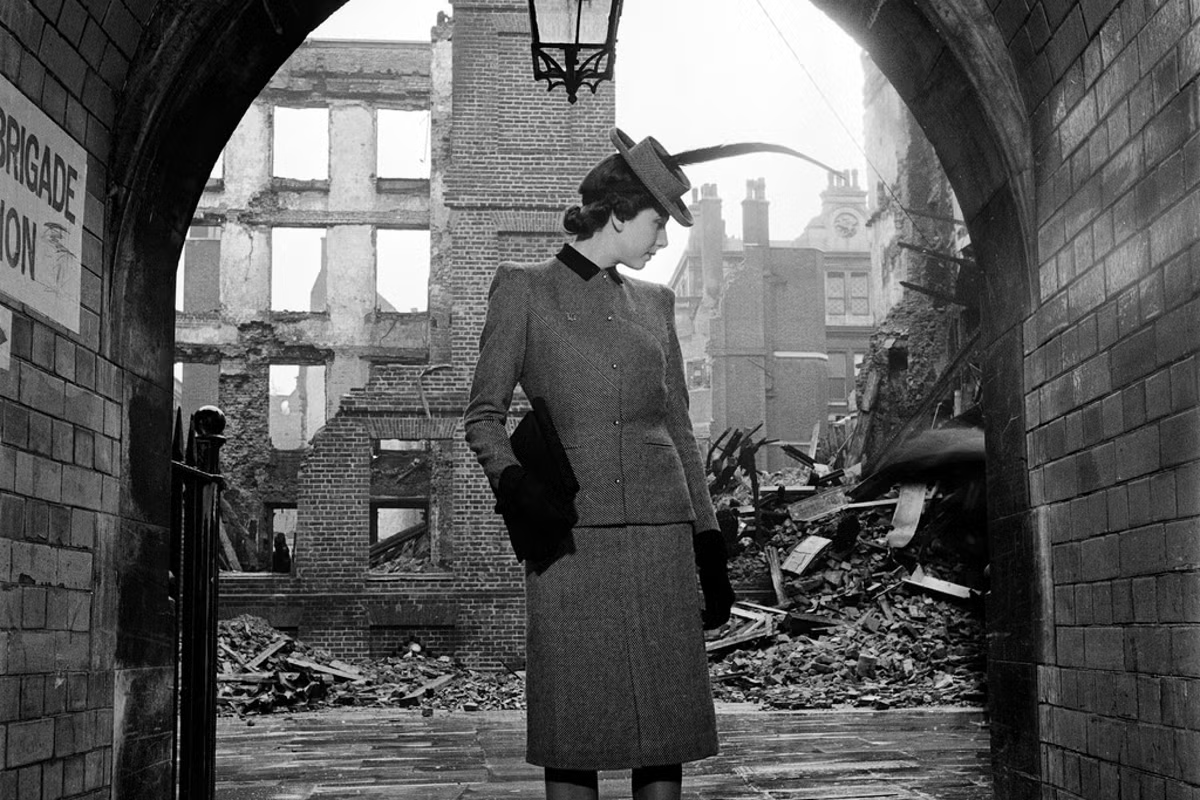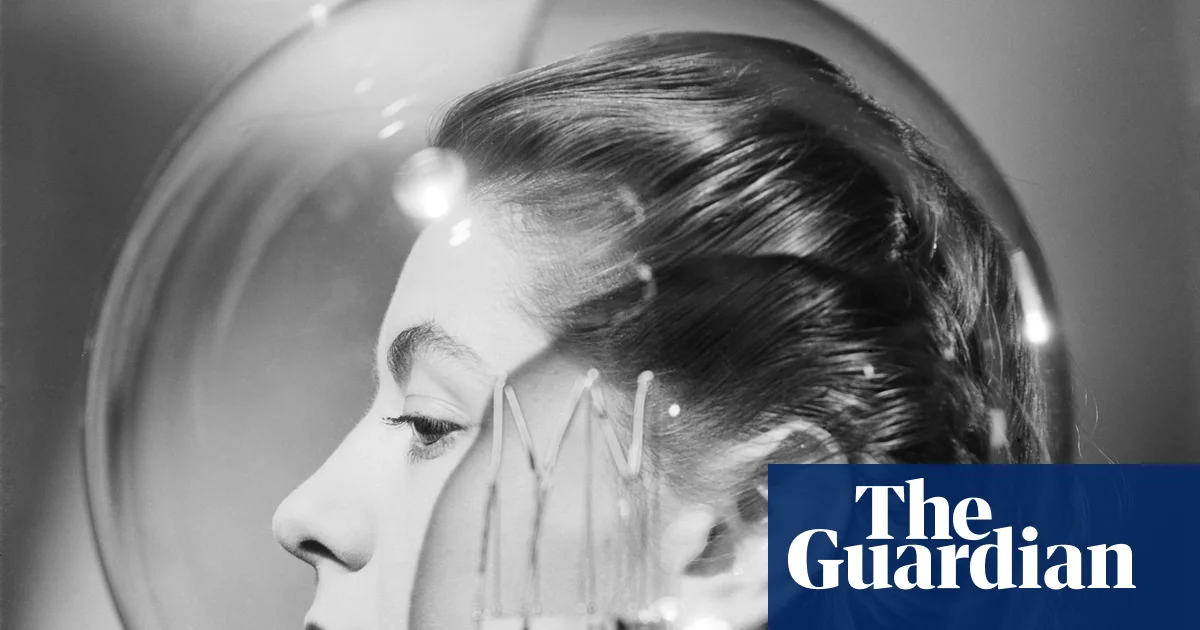
This article is more than 7 months oldA fearless war photographer, a peerless surrealist, a chronicler of Egypt and Syria … a new exhibition at Tate Britain explores how Lee Miller became one of the most urgent voices of 20th-century artSeeing things differently … Lee Miller’s Fire Masks, 1941. All photographs: Lee Miller Archives Tue 30 Sep 2025 08.00 CESTModel With Lightbulb, circa 1943This autumn, Tate Britain will present the UK’s largest retrospective of the trailblazing surrealist photographer Lee Miller. The exhibition will trace her journey from modelling in New York, where she was photographed by celebrated figures such as Cecil Beaton and Edward Steichen, to working behind the lens in Paris, where she moved in 1929. Lee Miller is at Tate Britain from 2 October 2025 until 15 February 2026Fire Masks, Downshire Hill, London, 1941Miller was born in 1907 in Poughkeepsie, New York State. She initially studied painting and stage design, but her time as one of the most sought-after models of the late 1920s inspired her to pursue photography. After stepping behind the lens, she became a leading figure in the avant garde scenes in New York, Paris, London and Cairo. The exhibition will showcase Miller’s extraordinary career, from her participation in French surrealism to her fashion and war photographyModel Elizabeth Cowell Wearing Digby Morton Suit, London, 1941Miller moved to London in 1939 at the outbreak of war, and quickly became a leading fashion photographer for British Vogue. The exhibition will showcase the inventive body of work she produced in Blitz-torn London. Works such as You Will Not Lunch in Charlotte Street Today (1940) and Fire Masks (1941) convey the pathos and absurdity of the city in wartime. Miller went on to become one of the few accredited female war correspondents, documenting not only women’s contributions on the home front, but also harrowing scenes from the frontlineRemington Silent, London, 1940The Remington Silent was a much-valued typewriter because of its quietness. The bombs have indeed made this one silent, yet in the photograph it taps out an eloquent statement on the destruction of war. Published in the 1941 book Grim Glory - Pictures of Britain Under FireUntitled, Paris, 1930In Paris, Miller began working with Man Ray, combining surrealist ideas with technical experimentation in a period of explosive creative exchange. By the early 1930s, she was fully enmeshed in Paris’s avant garde circles. Turning her lens to the city’s streets, she created a series of photographs capturing the surreal in the every day: an early example shows a web of semi-congealed tar oozing across the pavement towards a pair of anonymous feet. For this surrealist, a patch of spilled tar became a cape, a dress or even a manta ray. See more in this gallery Corsetry, Solarised, London, 1942Working together, Man Ray and Miller discovered solarisation, in which reversed halo-like effects are created through exposure to light during processing. Here, Miller is experimenting again, this time in 1942, in a fashion shoot for underwear at the British Vogue studio in London. She is interested in the effect of the double exposure on the shimmer and stretch of the corset fabric and the shadows on the bodyPortrait of Space, Al Bulyaweb near Siwa, Egypt, 1937Miller’s photography from this period is wonderfully free. She is unfettered by commercial demands and simply taking pictures of things that interest her. In this metaphor for freedom, the torn flyscreen frames a track to distant hills, with outcrops resembling watching eyes as a bird-shaped cloud flies freely. First published in the London Bulletin in June 1940, it proved inspirational. René Magritte used the shape of the torn flyscreen in his painting Le Baiser. Read more about this image hereUntitled, Syria, 1938With around 250 vintage and modern prints, including some never previously displayed, the exhibition reveals Miller’s poetic vision and fearless spirit. Unseen archival material and ephemera will also shine a light on the richness of Miller’s photographic legacyUntitled (Colossus of Ramesses II), Memphis, Egypt, 1937Exploring her artistic collaborations, the exhibition will also shed light on the lesser-known aspects of her practice, such as her remarkable images of the Egyptian landscape from the 1930s Untitled, Egypt, 1939Determined to forge her own path, Miller later commented: ‘It was a matter of getting out on a damn limb and sawing it off behind you’Helwan Cement Factory, Cairo, 1936Moving to Cairo in 1934, Miller continued to use her camera as a tool of exploration. She shot the Egyptian desert, and captured her travels across rural Syria and Romania, some images of which have never previously been exhibitedUntitled, northern Syria near Turkish border, 1938Alongside her work with Man Ray, Miller also apprenticed at French Vogue, established her own commercial photographic studio, and starred in Jean Cocteau’s groundbreaking surrealist 1930s film Le Sang d’un Poète, extracts of which will be shown in the exhibition
‘Out on a damn limb’: the daredevil photography of Lee Miller – in pictures
A fearless war photographer, a peerless surrealist, a chronicler of Egypt and Syria … a new exhibition at Tate Britain explores how Lee Miller became one of the most urgent voices of 20th-century art
802 words~4 min read