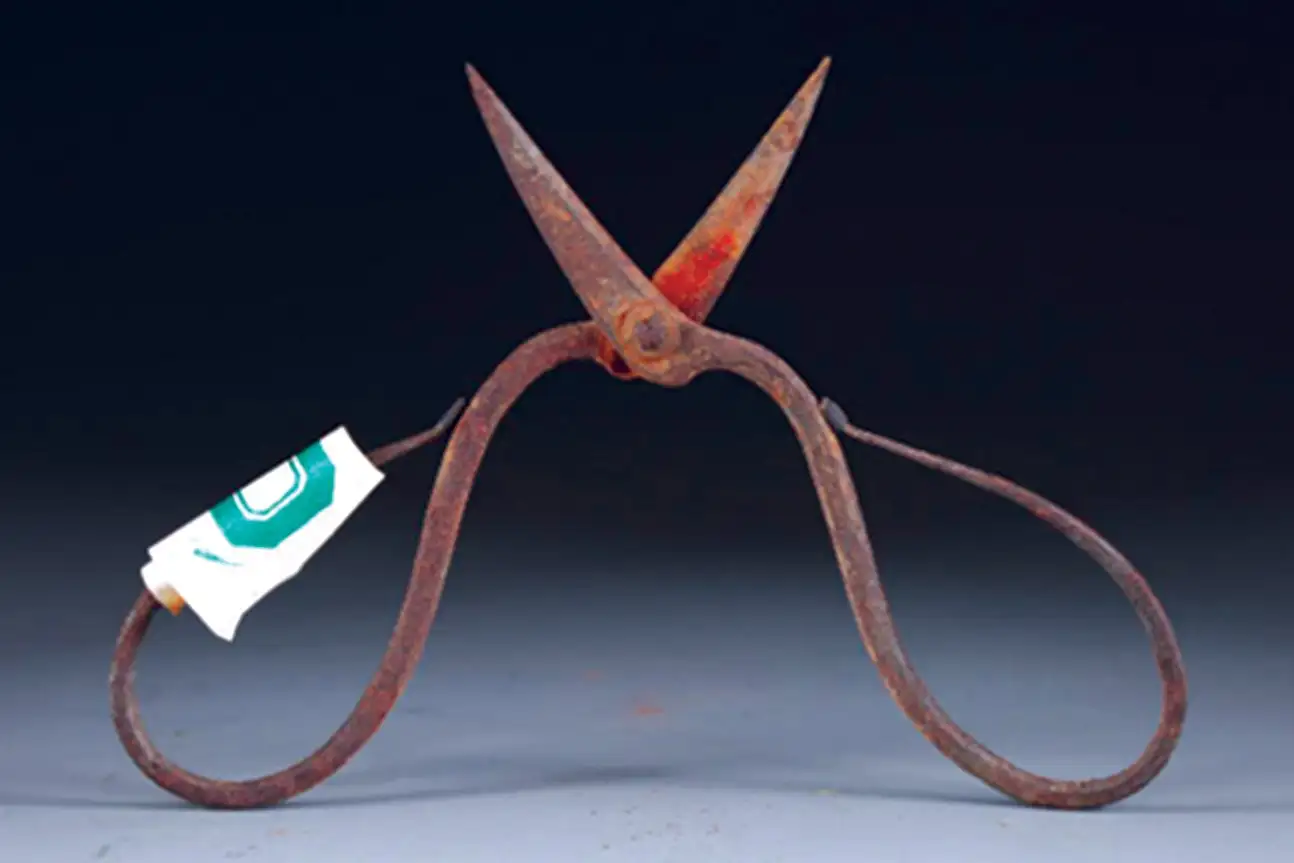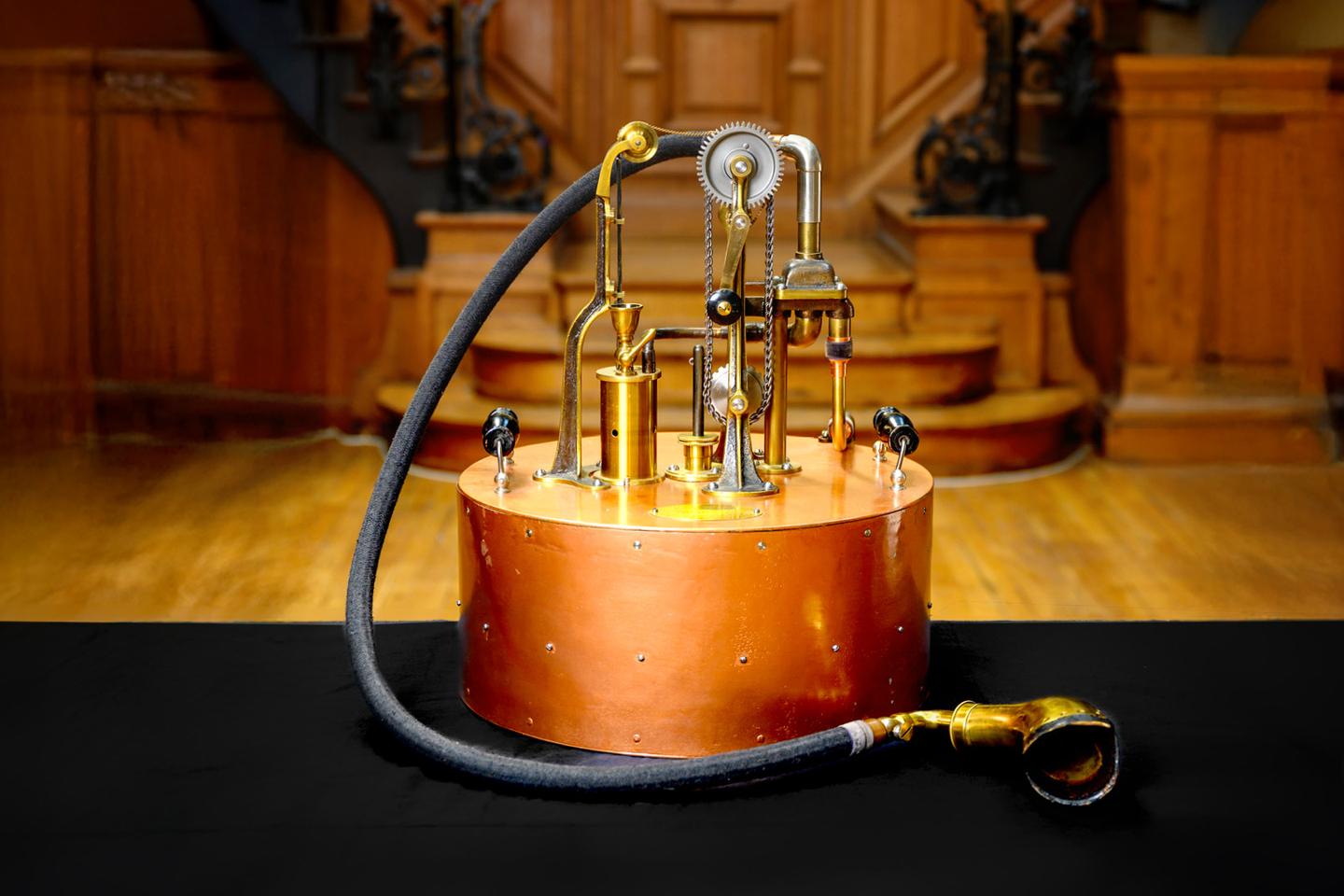
An anesthesia machine designed by Dr. Raphaël Dubois, built by Charles Verdin (1884), displayed as part of the exhibition 'Once Upon a Time, Anesthesia,' at the Museum of the History of Medicine, Paris, photographed in June 2025. MUSÉE D’HISTOIRE DE LA MÉDECINE – UNIVERSITÉ PARIS-CITÉ
If the words "operation," "sedation" and "intubation" conjure feelings of anxiety, and if the words "hypnotic drugs" make you panic, then this exhibition that retraces the history of anesthesia – running until October 25 in Paris – may prove cathartic.
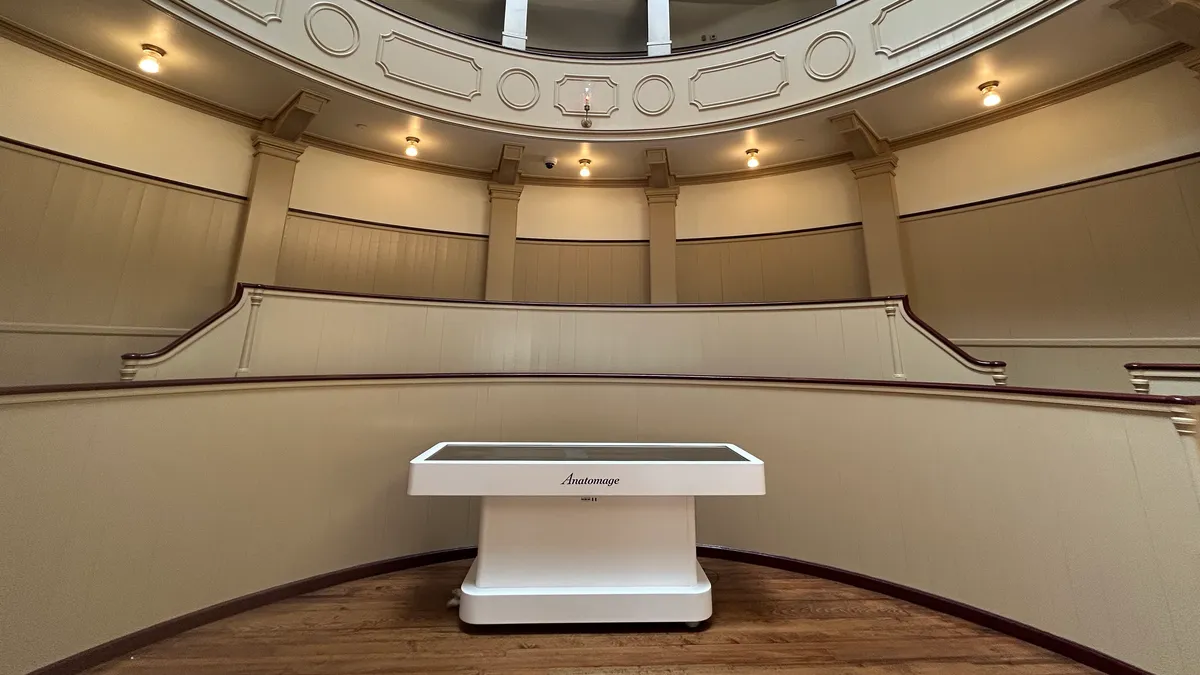
In the grand wood-paneled hall of the Museum of the History of Medicine, visitors can discover this bold invention, born in the mid-19th century. It represented a remarkable medical breakthrough. "During the Napoleonic wars, surgeons performed amputations without anesthesia, in less than three minutes," said Dr. Dominique Simon, president of the Club d'histoire de l'anesthésie et de la réanimation (CHAR, French Society for the History of Anesthesia). At that time, the pioneering military doctor Dominique-Jean Larrey devised mobile surgical ambulances to care for the wounded and used the cold to help relieve their suffering.
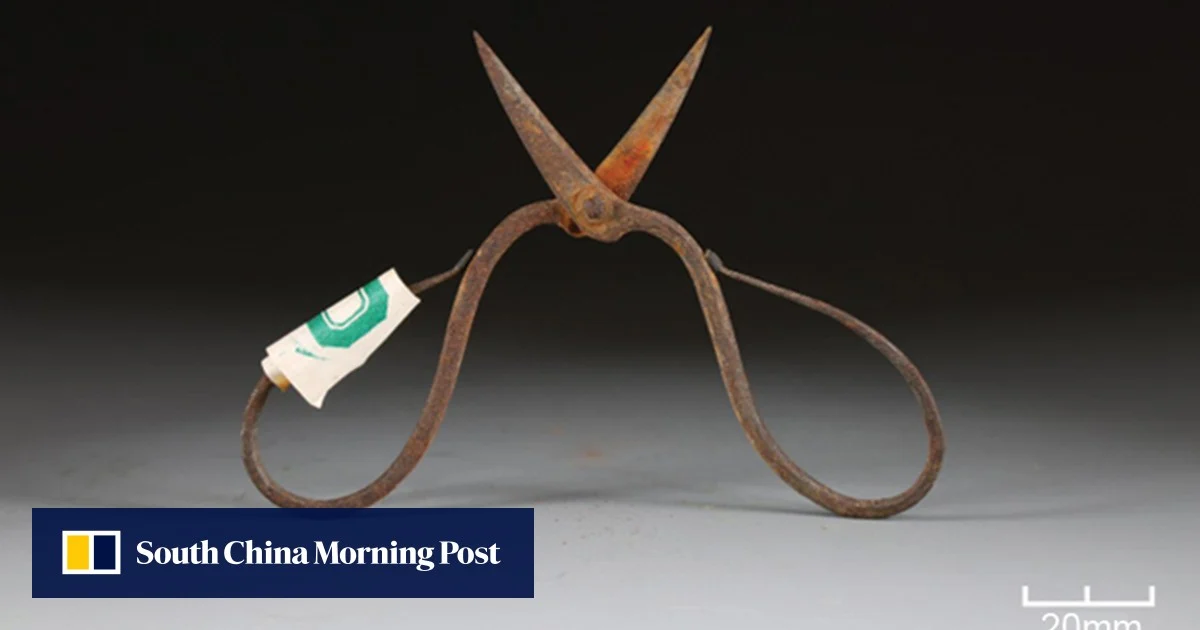
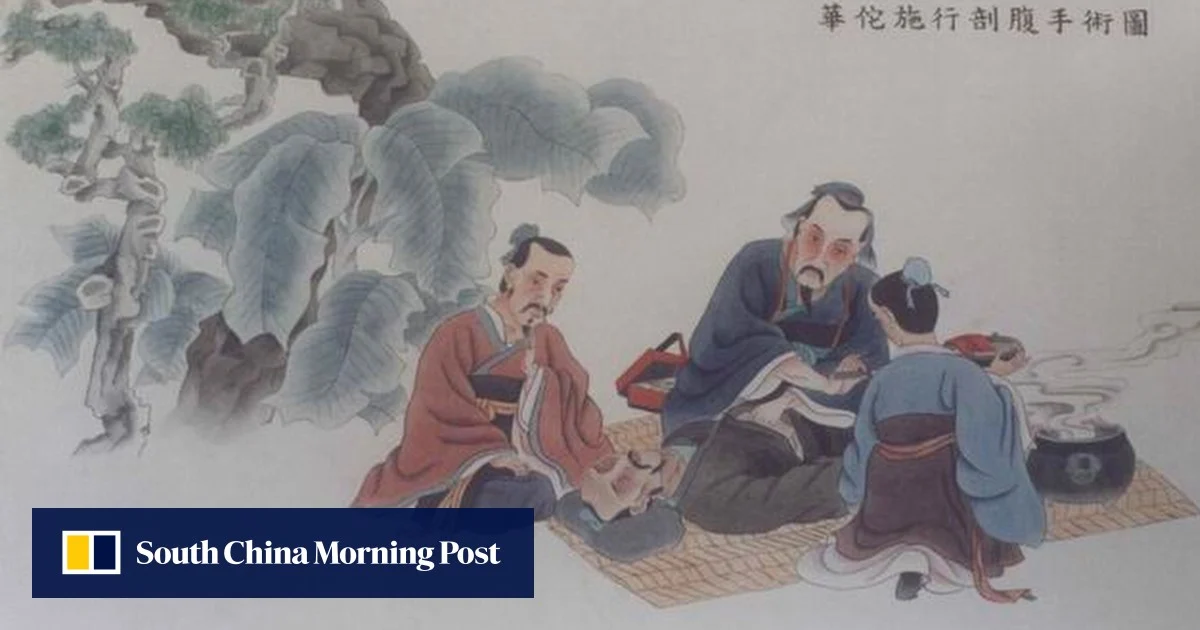
But to unearth the roots of pain relief, one has to go back to antiquity, when numerous plants were used to combat pain: poppy, hemlock, mandrake and more. Techniques diversified: the compression of neck vessels to induce unconsciousness before circumcision among the Assyrians; soporific sponges found in 9th-century Benedictine monasteries, and so on. And yet this paradox remained: Until the mid-19th century, pain was considered a necessary part of healing.