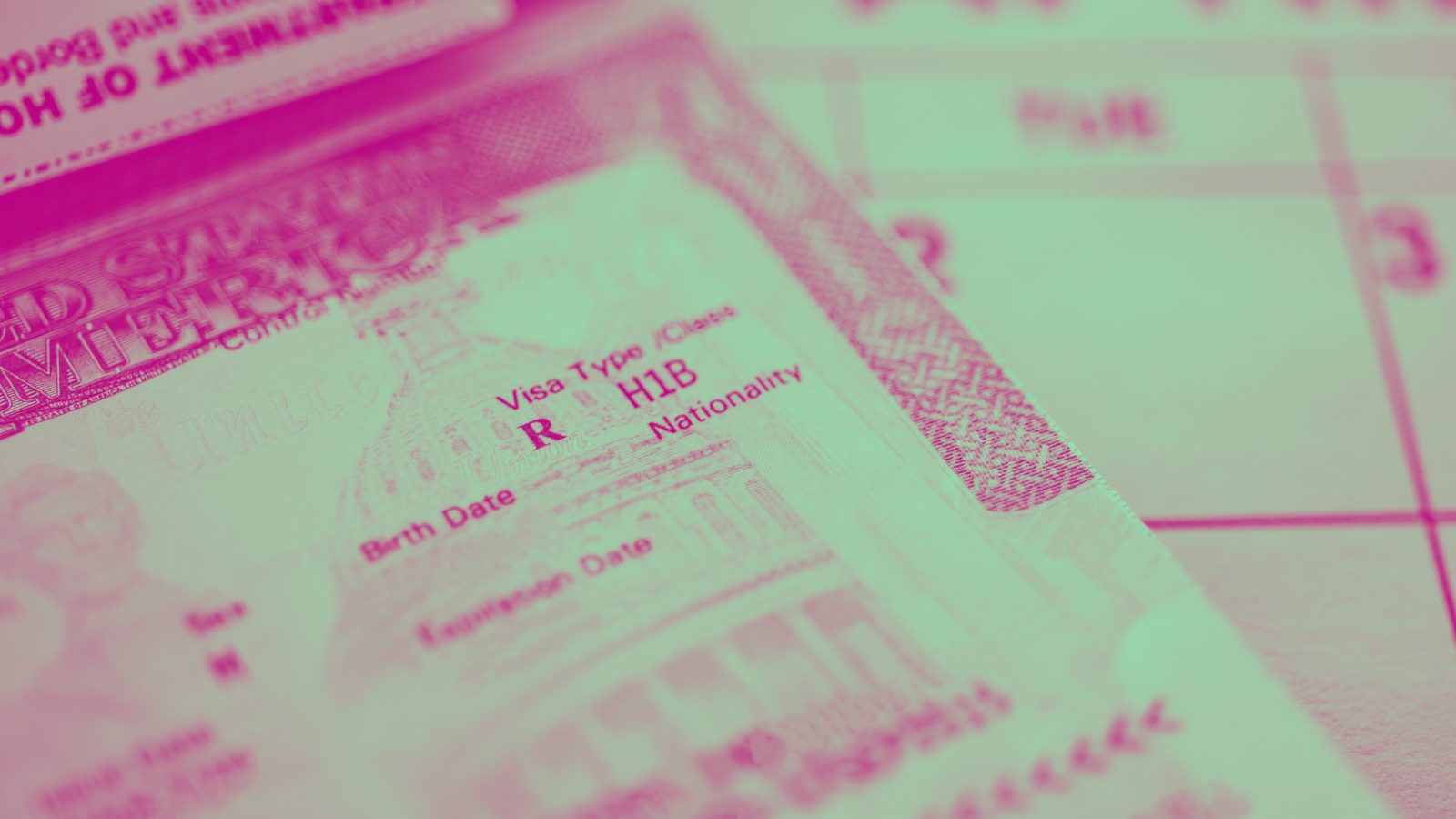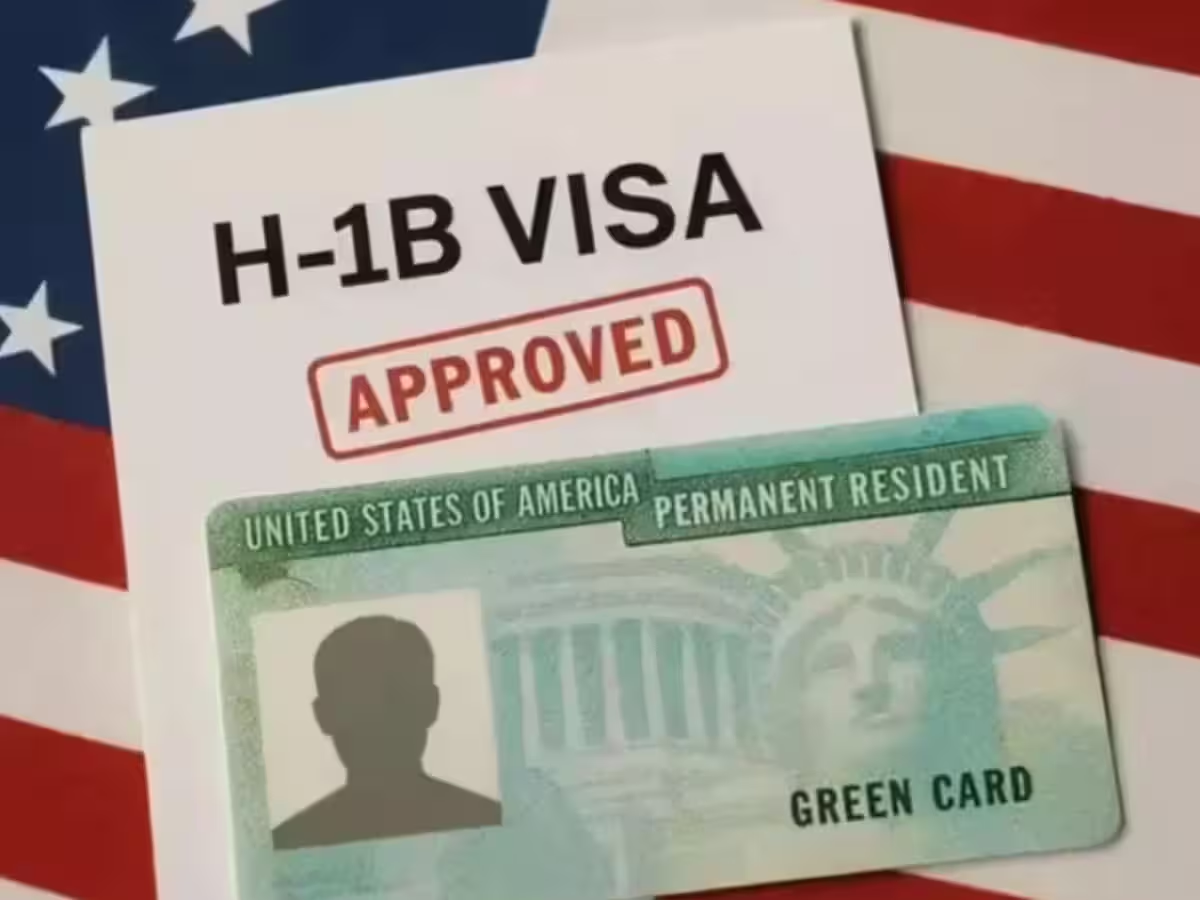
In the week since the Trump administration’s decision to slap a $100,000 fee on new H-1B applications, I’ve chatted with many HR leaders, C-suite executives and lawyers to get their take on it, and there’s one word to sum up their feelings: confusion.
That was the first word out of the mouth of Jyoti Bansal, CEO and founder of Harness, a $5 billion intelligent software delivery platform. Bansal famously sold his first startup AppDynamics to Cisco for $3.7 billion—but if he hadn’t received an H-1B visa to come to Silicon Valley after graduating from the Indian Institute of Technology, none of that would have happened, he said.
“We created maybe 4,000 jobs in the U.S. in building these businesses, and I hope that we don’t stop that,” he said. The additional hurdle for H-1B visas—a category for high-skilled workers that many tech companies rely upon—could undermine America’s ability to attract top tech talent, Bansal explained. “There’s a race going on with AI and so many things,” he said. “If you don’t send the right signals, that definitely creates a problem.”
Retaining—and attracting—top talent is sure to be top of mind for many companies, as in many cases, the H-1B visa has functioned as an employee retention tool. The visas are tied to a specific employer, making it more complicated for in-demand tech workers to move to a different company.