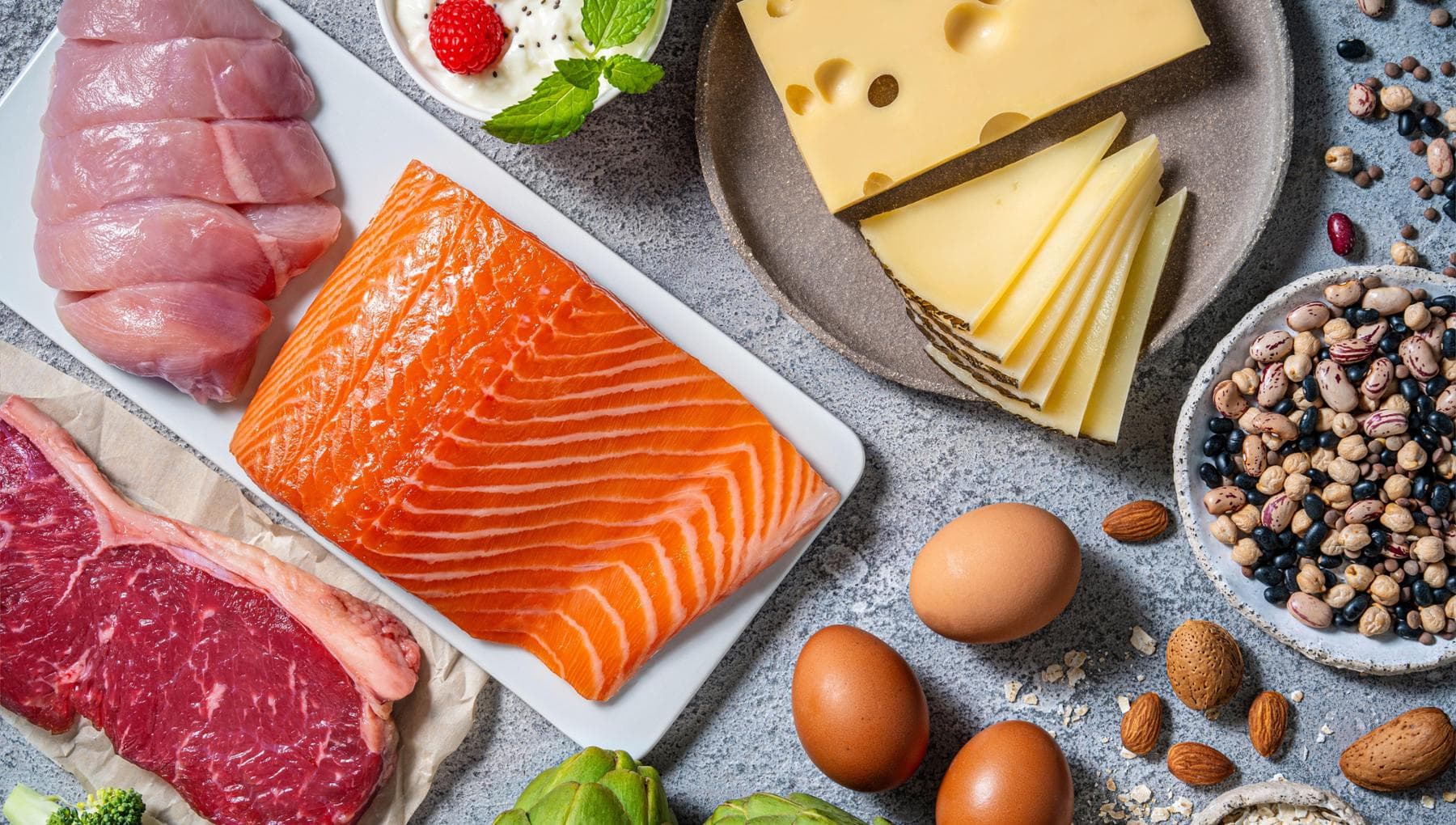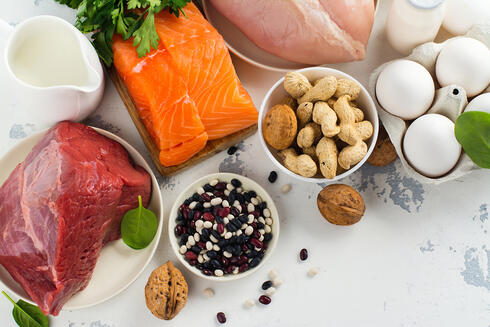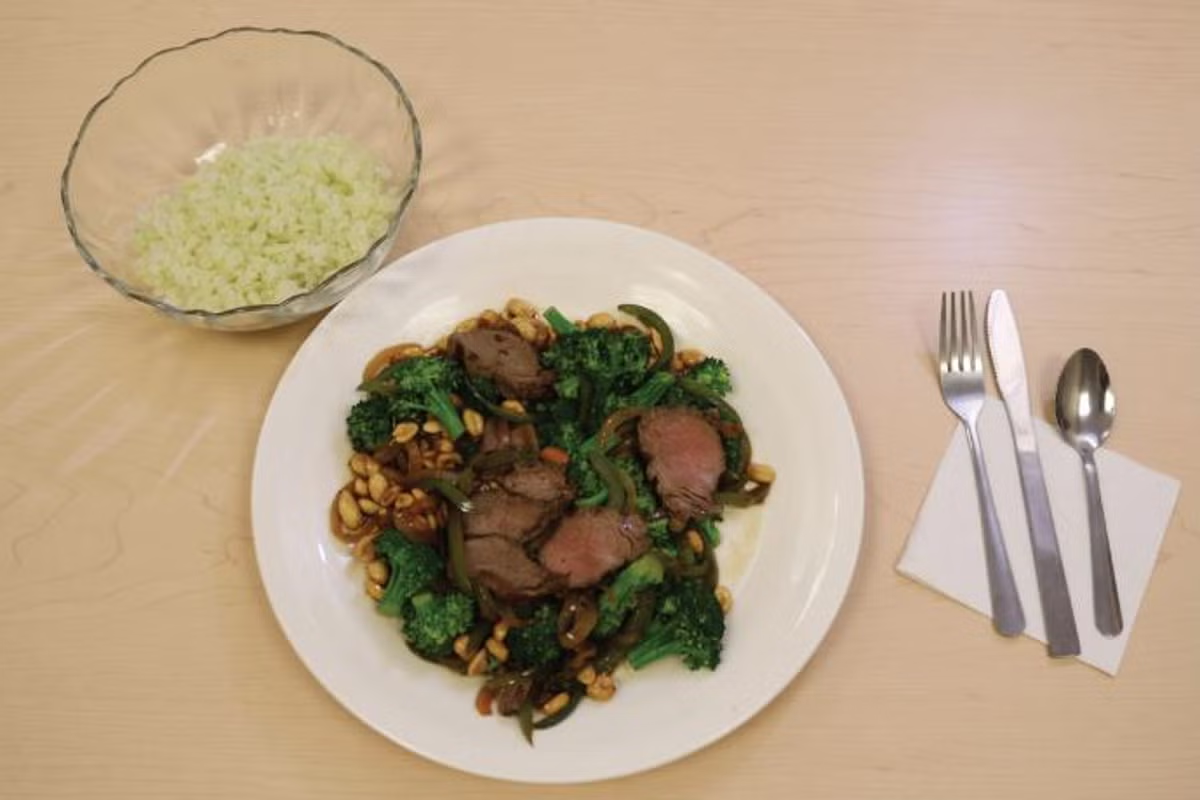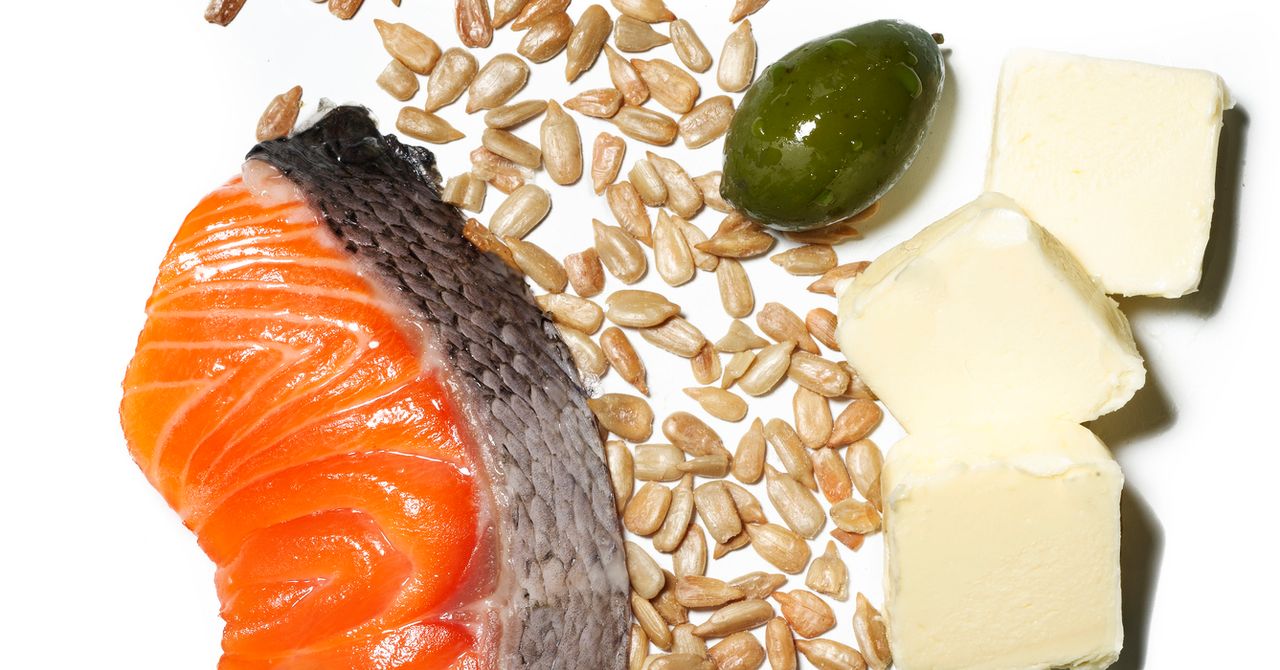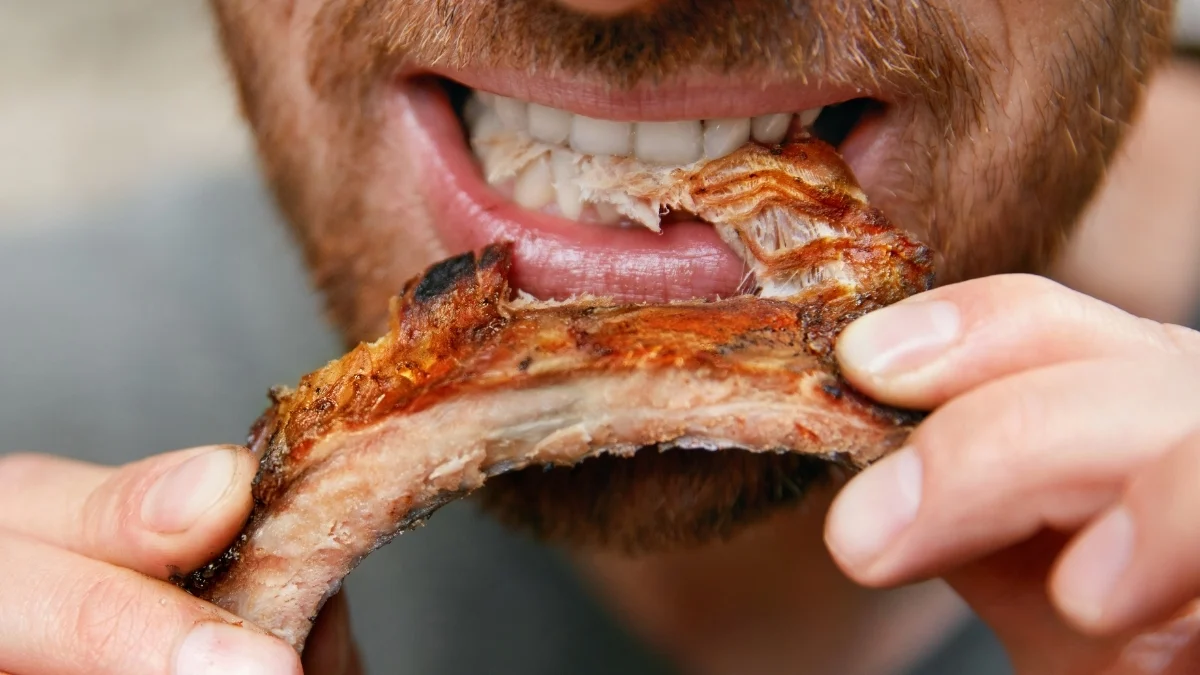
Long-term adherence to a keto diet regimen -- high in meats, proteins and oils -- may pose health risks, according to a study in mice. Photo by Adobe Stock
It sounds counterintuitive: Eat more fat and lose more weight.
But it's the underpinning of a keto diet -- a controversial eating regimen designed to retrain the body to rely on something other than sugar for energy. The regimen is rich in meat, eggs, high-fat dairy and oils.
"I think a lot of people look at a ketogenic diet and think, 'I'll lose weight, I'll be healthier,' " said lead researcher Molly Gallop, an assistant professor of anatomy and physiology at Earlham College in Richmond, Ind.
The biology goes like this: On a keto diet, a person's liver converts fat into molecules called ketone bodies that the body can burn for energy. Despite a high fat intake - up to 90% of daily calories - it can lead to substantial weight loss.