By KHADIJA KHAN Published: 22:34 BST, 27 September 2025 | Updated: 01:38 BST, 28 September 2025
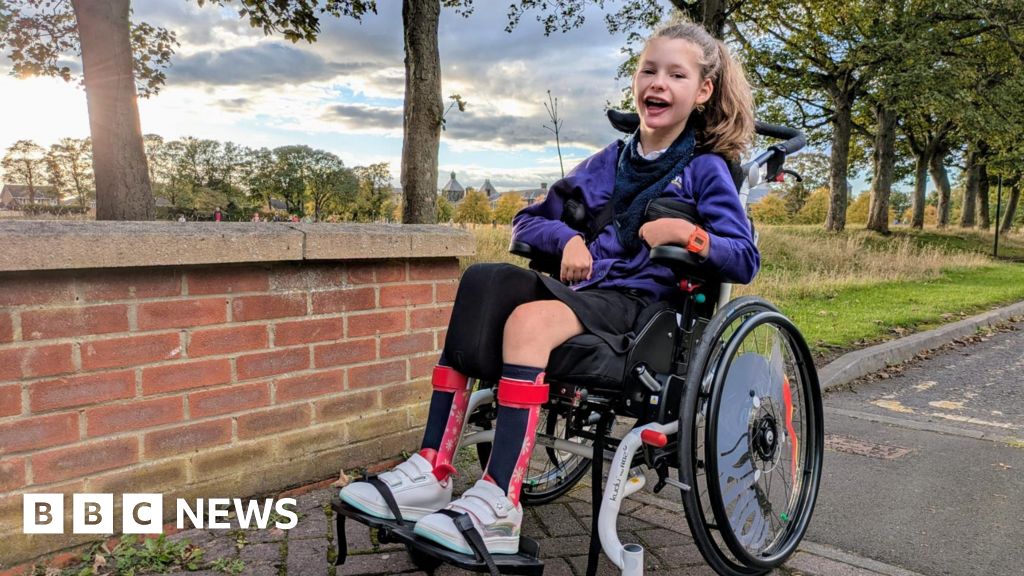
Hundreds of children across Britain are living as best they can with crippling neurological syndromes, unable to move without a wheelchair, let alone play football or any of the other sports their peers take for granted.Or they live with blindness, deafness, learning problems or the routine failure of their lungs, livers, hearts or kidneys – their painfully shortened lives spent in and out of hospitals. Their genetic conditions are so rare that they are nameless, and confound the best consultants in the world. More yet are stillborn.And it is maddening to think that their young lives needn’t have been ruined in this way. For these children are the offspring of cousin marriages, a sham tradition that is prevalent in Pakistani communities more than most.There, I’ve said it – this is a cultural problem. This does not arise from women smoking or drinking during pregnancy. Nor does this have anything to do with their age. Every tragedy described above comes about through a practice that is driven by deeply religious beliefs and alarmingly high levels of illiteracy – something that NHS England’s Genomics Education Programme seems blithely relaxed about.Having grown up in Pakistan, where an astonishing 65 per cent of marriages are between blood relatives – or consanguineous – I have witnessed how ruinous the practice can be. The practice, which is common in the British Pakistani community, has been linked to a greater prevalence of disorders such as cystic fibrosis or sickle cell disease This map, by Professor Alan Bittles an Australian expert in genomics, shows rates of consanguineous marriage, that between cousins, around the worldOf course, it can be disastrous for the baby but also ostracising for the mother dare she criticise cousin marriages.My aunt did so, fearing for the health of her future children. She courageously sought to break free from the cycle of cousin marriages and was told she was no longer part of the family. On the few occasions she was invited to functions, it was as a guest rather than as the eldest daughter. But her single-mindedness beat a path for my mother to follow.However, this was a generation ago. Now, in Pakistan discussion of the biological concerns over cousin marriage is common, at least in the more enlightened cities. So why on earth is an NHS body drawing a veil of silence over the issue here?The Genomics Education Programme would seemingly rather it be swept under the carpet with the implicit warning that any discussion of cousin marriage is culturally insensitive, which only emboldens those in Muslim communities who use it as a means of controlling women.