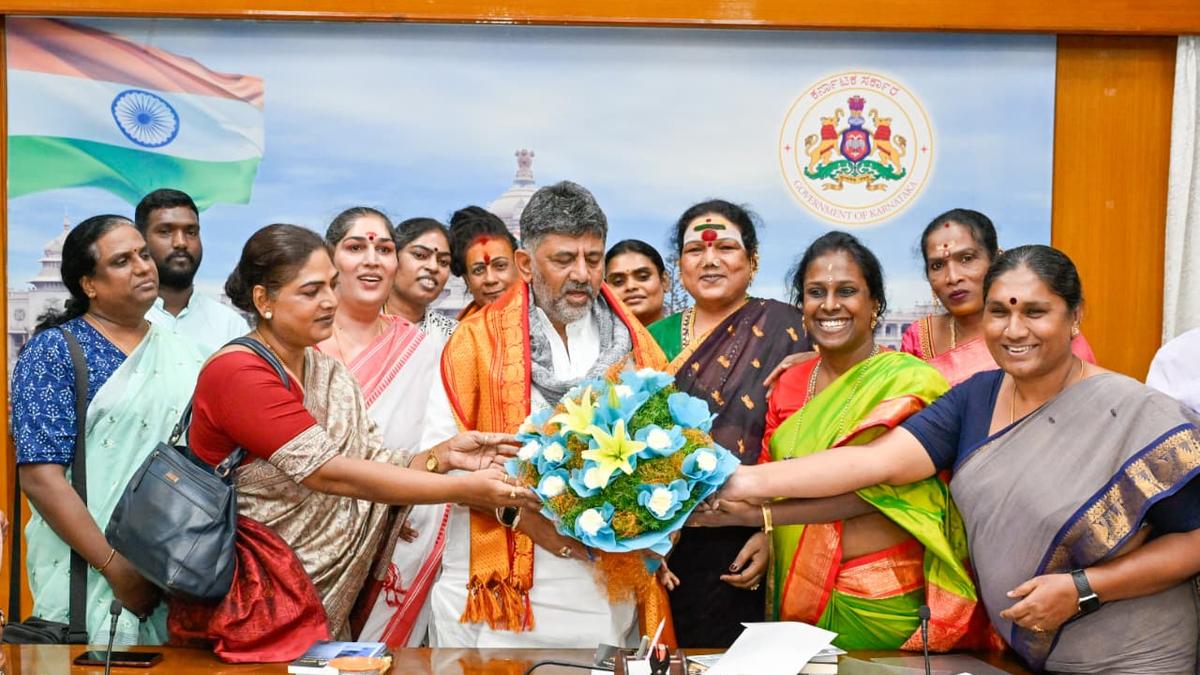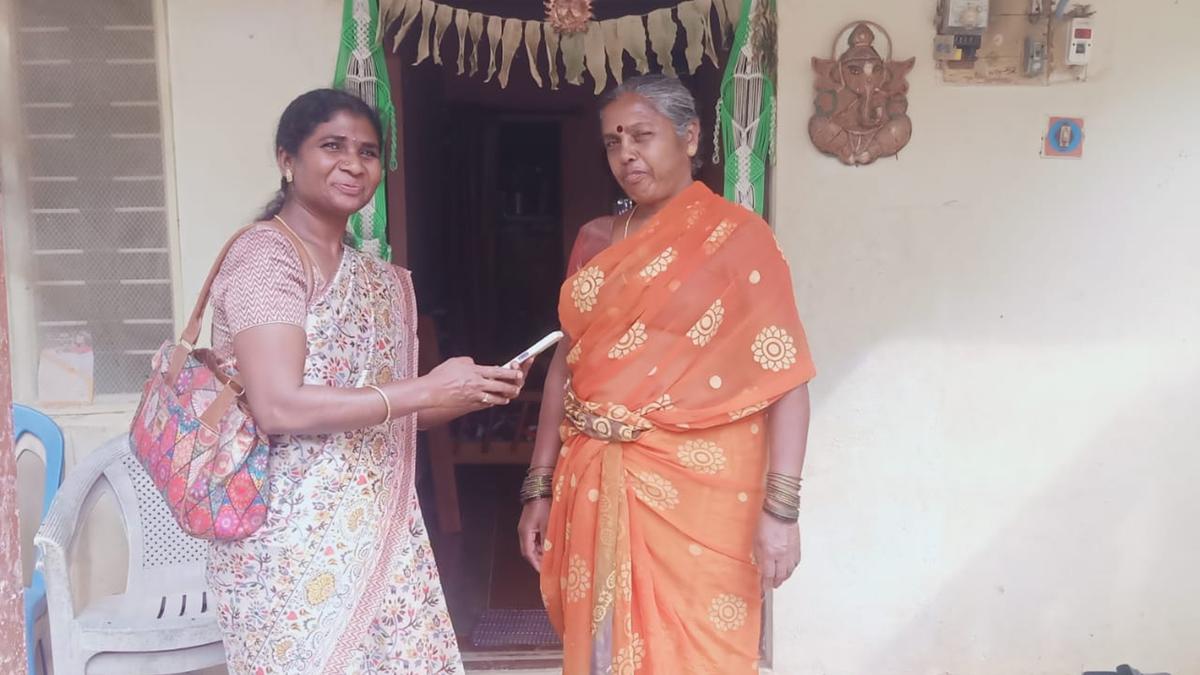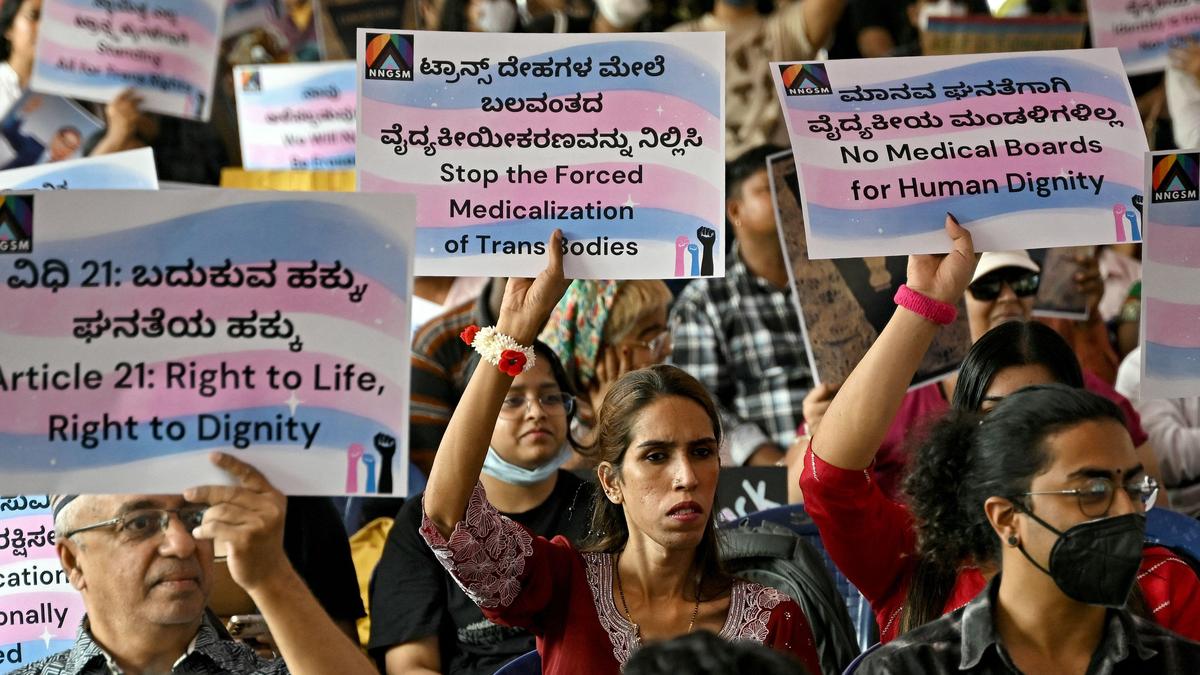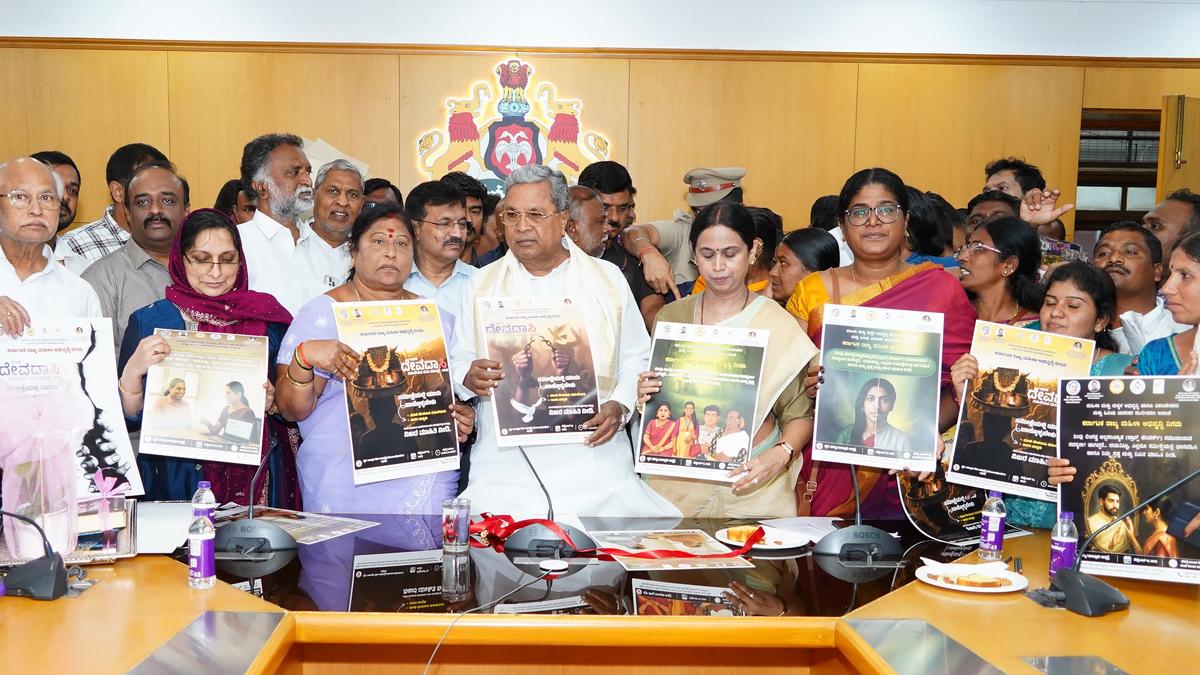
At the general hospital in Yelahanka in Bengaluru, a small group is waiting in front of the counsellor’s room. From inside, the voices of two individuals can be heard — one posing questions and the other answering them.Have you done the surgery?Yes.Has your family accepted you?Yes.Do you think begging and sex work should be recognised as professions?Yes.Is you monthly income lesser or greater than ₹1 lakh, ₹3 lakh or ₹5 lakh? Less than ₹1 lakh. Around 120 questions and 45 minutes later, Sangeeta (name changed), draped in a crisp white Voile saree sporting tiny yellow flowers, emerged from the room in an elegant gait. A mangalamukhi, she just enrolled herself in the Karnataka government’s survey for gender minorities, claimed to be the first of its kind in India.“It’s been 23 years since I moved to Bengaluru. I was married to a very abusive person,” Sangeeta extends her forearm as she narrates her story. It carries bruises and burn marks that refuse to fade entirely.“I ended the marriage and now stay by myself in a rented house in Dasarahalli, where I pay a rent of ₹10,000 a month. It’s not easy in the absence of a steady income. The survey is a good initiative. I hope they come up with some housing schemes for people like us after the survey,” says the Hosur native.The Karnataka government’s survey for gender minorities, which commenced on September 15 across all 31 districts, has given hope to a large community that has been pushed to the shadows for long. In the next 40-odd days, trained enumerators from the community will gather data on transgender and intersex people in an effort to build a clearer picture of their lives, with the aim of shaping policies tailored to their needs.India’s first survey of gender minorities
Counting on change: Karnataka’s long overdue survey of gender minorities
The Karnataka government’s survey of gender minorities, which commenced on September 15 across all 31 districts, has given hope to a large community that has been pushed to the shadows for long.
1,938 words~9 min read