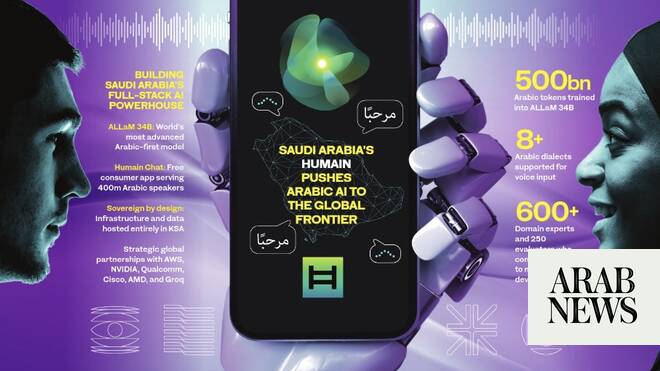
ALKHOBAR: When Saudi Arabia unveiled Allam, its homegrown Arabic large language model, it sent a clear signal: the Kingdom is no longer content to simply consume global AI technologies.
It intends to build its own. For many, this was a moment of pride — a proof that the Arab world can produce tools designed to understand its own languages, cultures, and contexts.
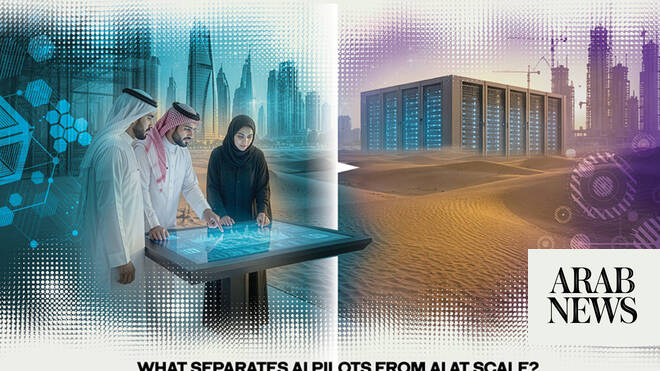
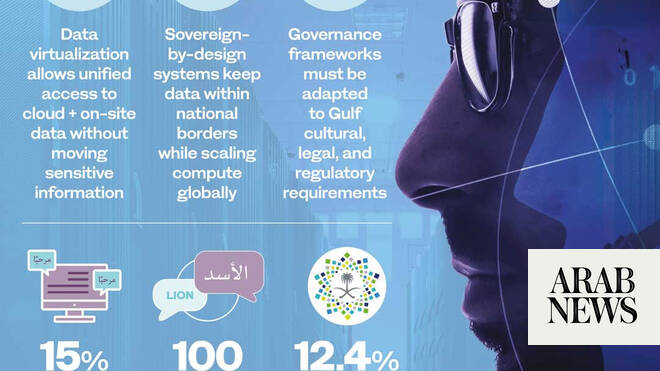
But experts caution that Allam is only the first step in a much longer journey. Success will not be determined by the models alone, but by the invisible foundations that support them: data, infrastructure, governance, and trust.
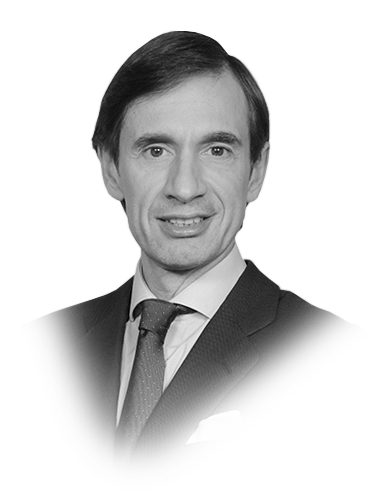
“You can’t capture the intent, emotion, and cultural depth of Arabic through translation,” said David Barber, director of the UCL Centre for Artificial Intelligence and Distinguished Scientist at UiPath. “You need systems that think in Arabic from the ground up.”
David Barber, director, UCL Centre for Artificial Intelligence; distinguished scientist at UiPath. (Supplied)