HSBC has claimed a major breakthrough in applying quantum computing to financial markets. On Thursday, the bank said that experimental trials with IBM had delivered a 34% improvement in predicting bond trading outcomes. The trial is being touted as the first piece of empirical evidence that quantum hardware can deliver real-world value on the trading floor.
Quantum computing’s potential remains mostly theoretical, with many breakthroughs demonstrated under controlled conditions rather than in real-world trading. So far, these have largely been proofs of concept, showing promise without widespread practical application. Quantum chips take advantage of subatomic, quantum-level “uncertainty” that allows them to process multiple tasks in parallel. Traditional analog chips process tasks sequentially, and are thus far slower. Quantum computing can solve problems in minutes; analog chips would take hours, days or years to process the same calculations.
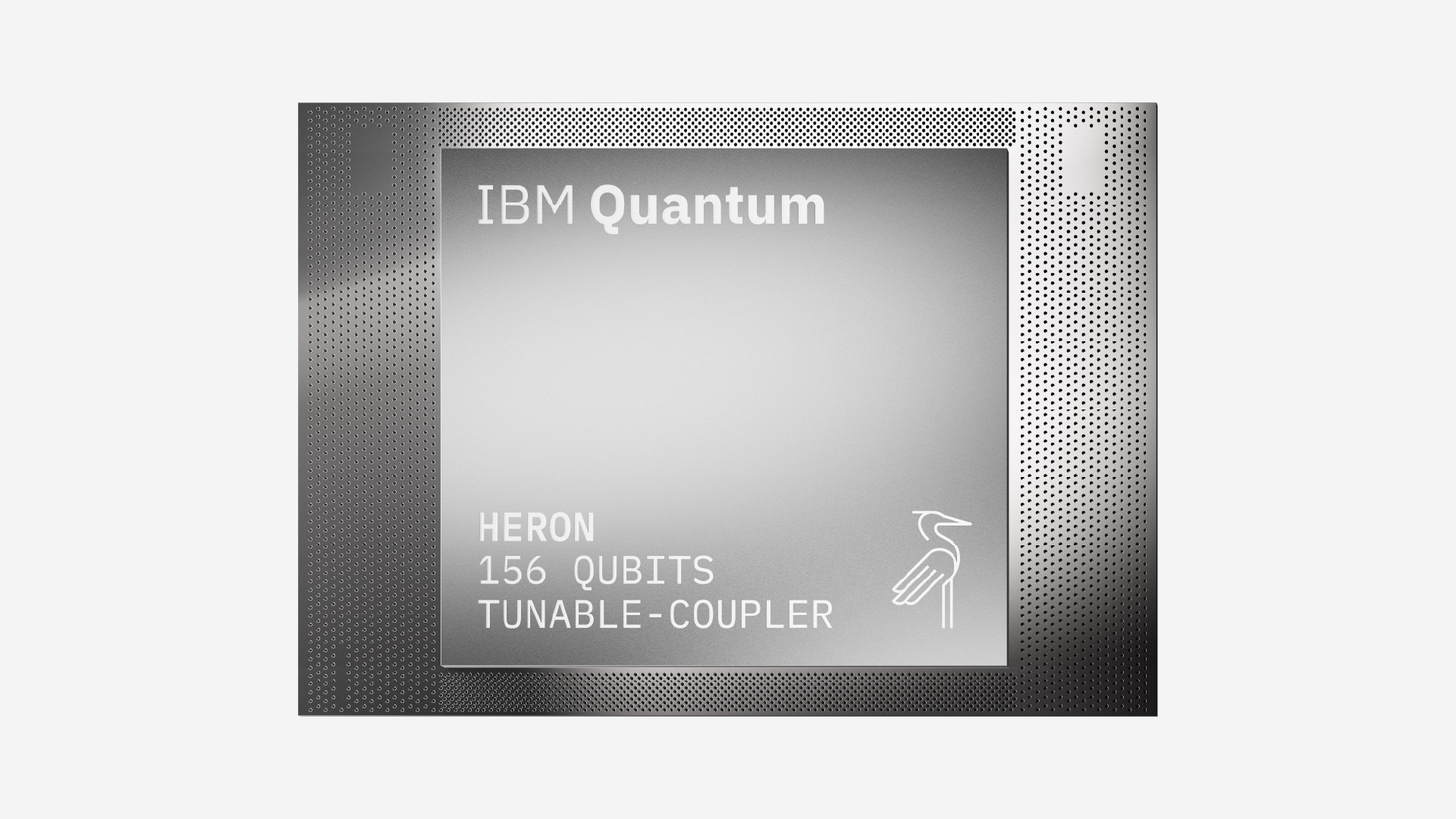
HSBC and IBM’s results were also derived from historical data rather than live trades, but the study does indicate that quantum computing could be useful for real-life markets. The trial was in collaboration with IBM and its Heron chip—the company’s latest and highest-performing quantum processor. It analyzed more than 1 million quote requests across 5,000 corporate bonds between September 2023 and October 2024.