Training next-generation AI models compounds the problem. On top of running existing AI models like those that power ChatGPT, OpenAI is constantly working on new technology in the background. It’s a process that requires thousands of specialized chips running continuously for months.
The circular investment question
The financial structure of these deals between OpenAI, Oracle, and Nvidia has drawn scrutiny from industry observers. Earlier this week, Nvidia announced it would invest up to $100 billion as OpenAI deploys Nvidia systems. As Bryn Talkington of Requisite Capital Management told CNBC: “Nvidia invests $100 billion in OpenAI, which then OpenAI turns back and gives it back to Nvidia.”
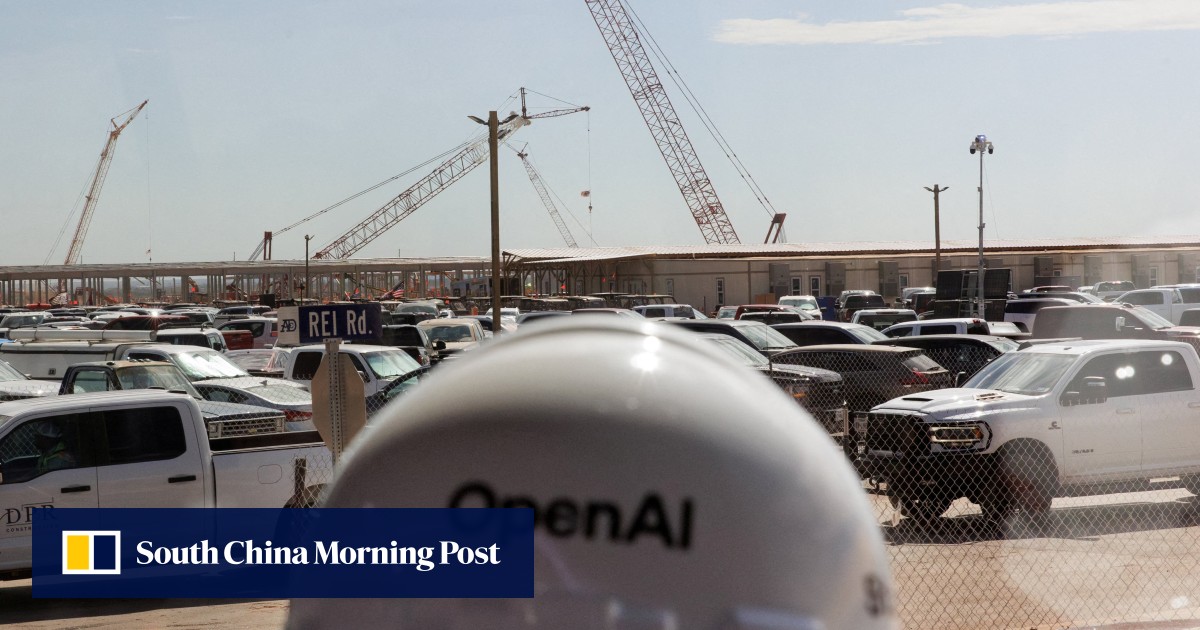
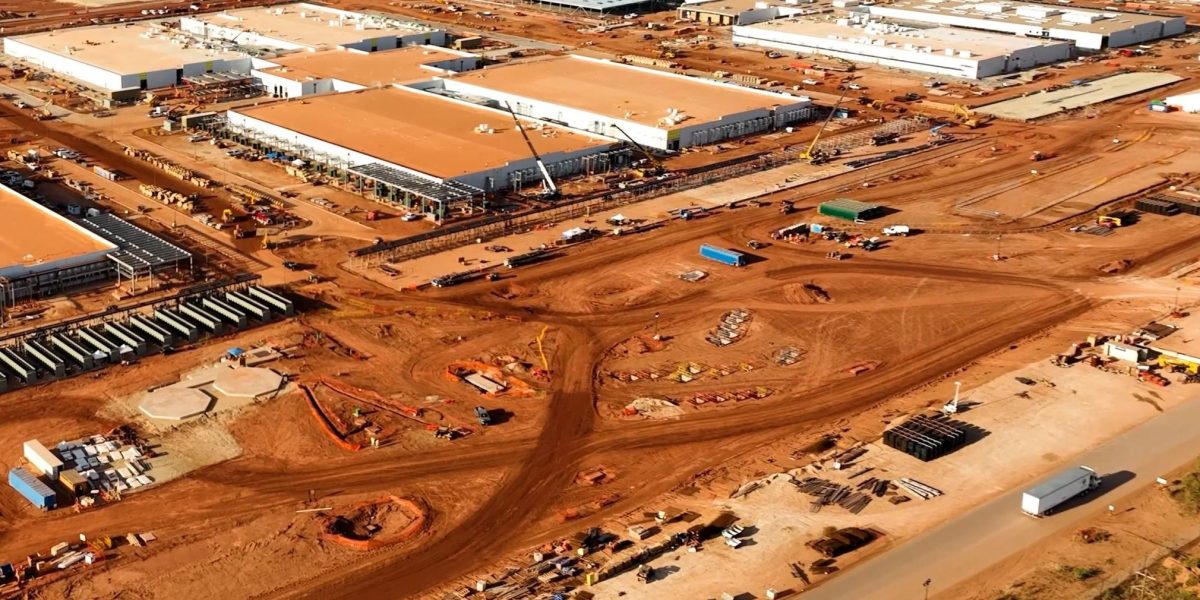
Oracle’s arrangement follows a similar pattern, with a reported $30 billion-per-year deal where Oracle builds facilities that OpenAI pays to use. This circular flow, which involves infrastructure providers investing in AI companies that become their biggest customers, has raised eyebrows about whether these represent genuine economic investments or elaborate accounting maneuvers.
The arrangements are becoming even more convoluted. The Information reported this week that Nvidia is discussing leasing its chips to OpenAI rather than selling them outright. Under this structure, Nvidia would create a separate entity to purchase its own GPUs, then lease them to OpenAI, which adds yet another layer of circular financial engineering to this complicated relationship.