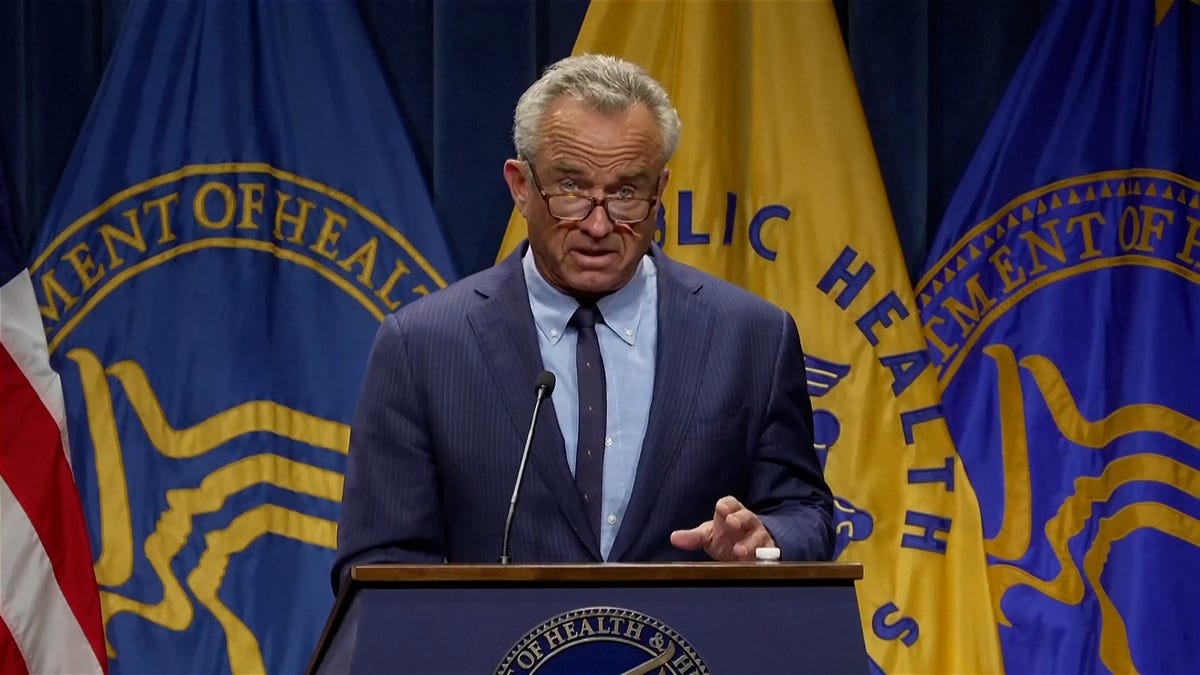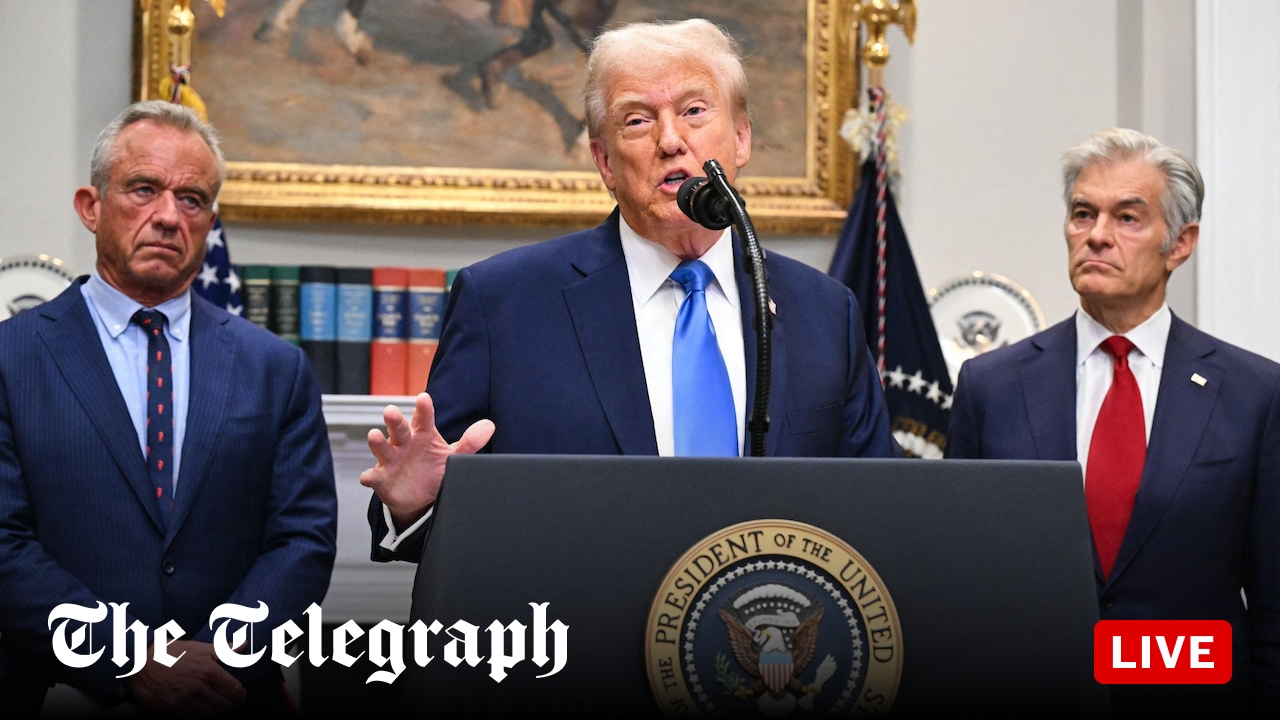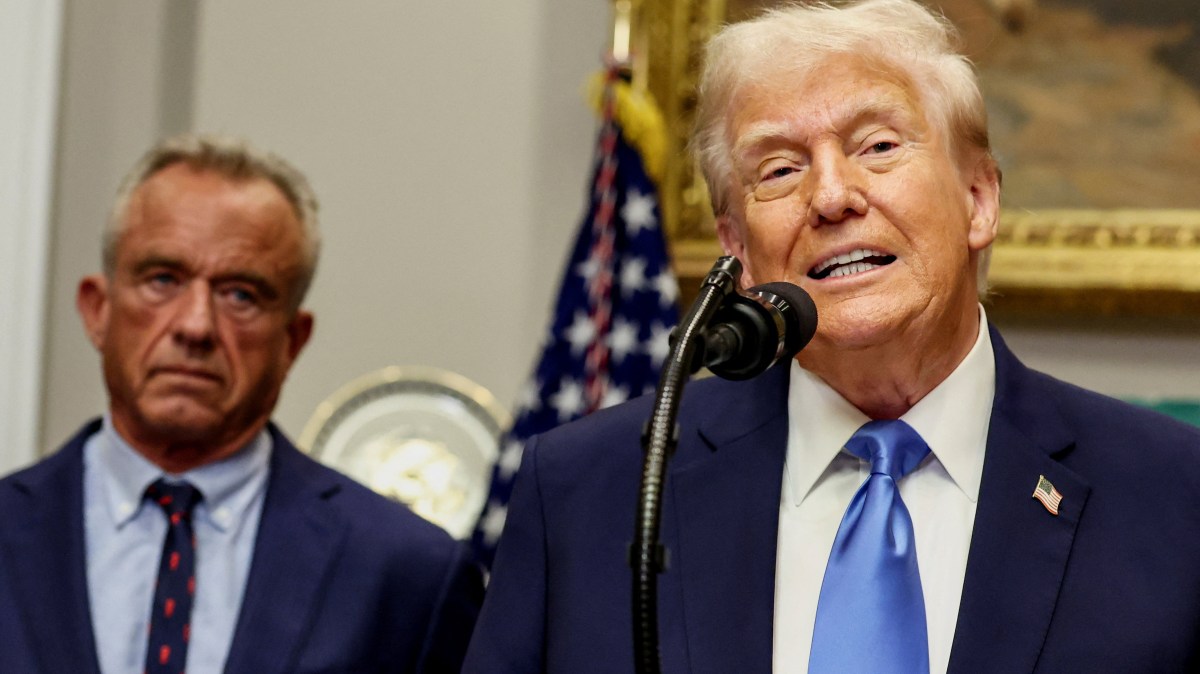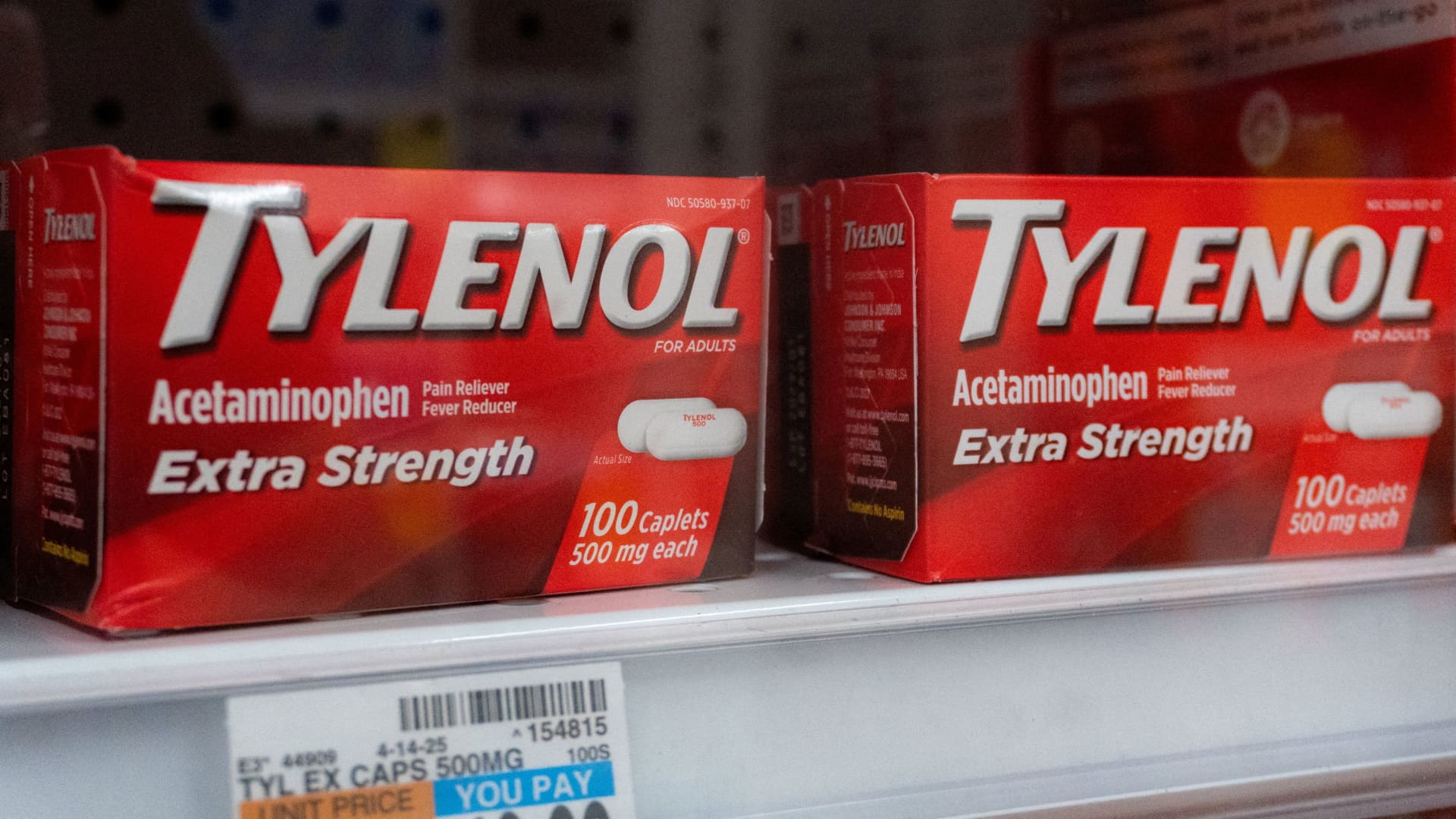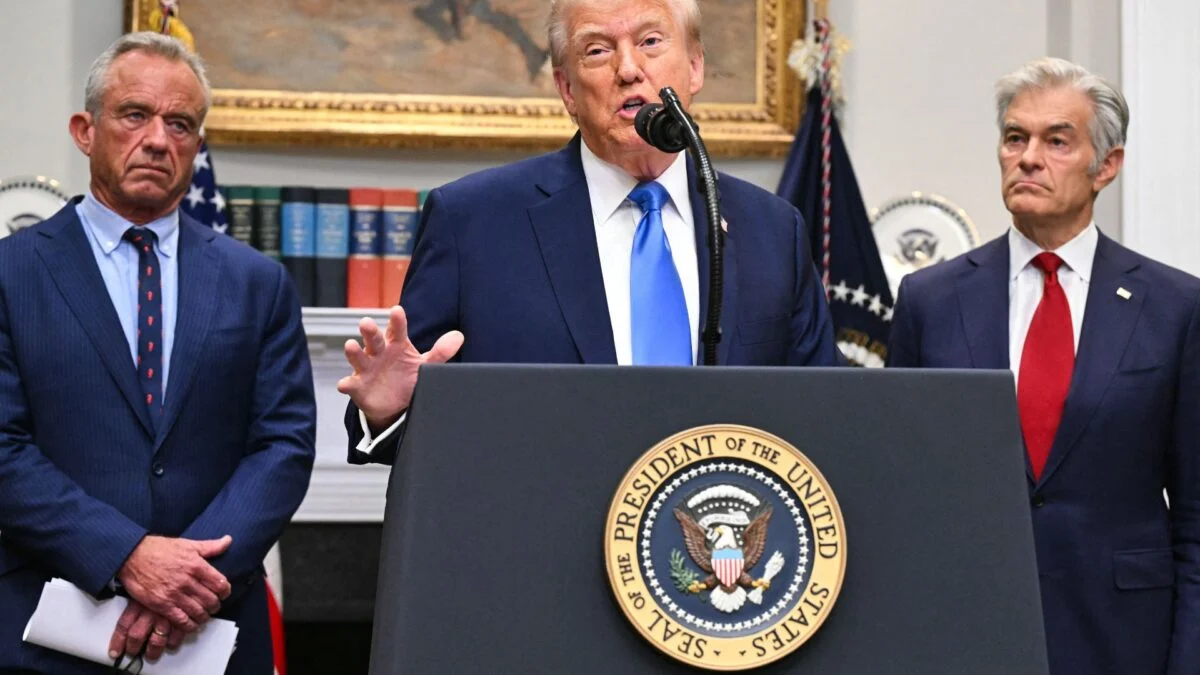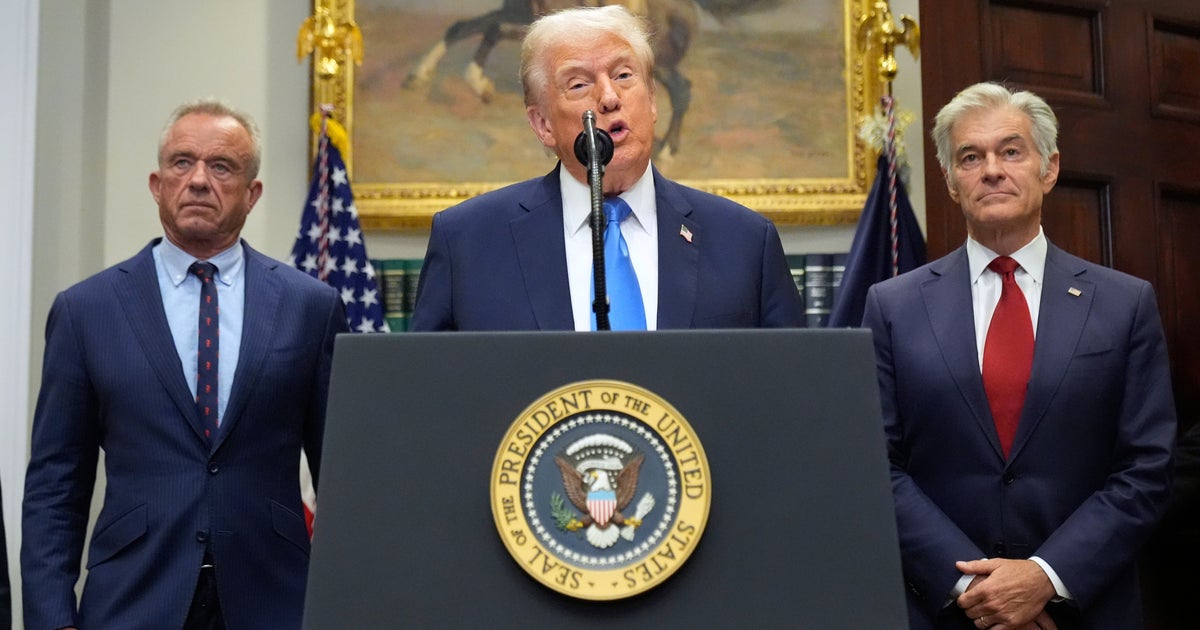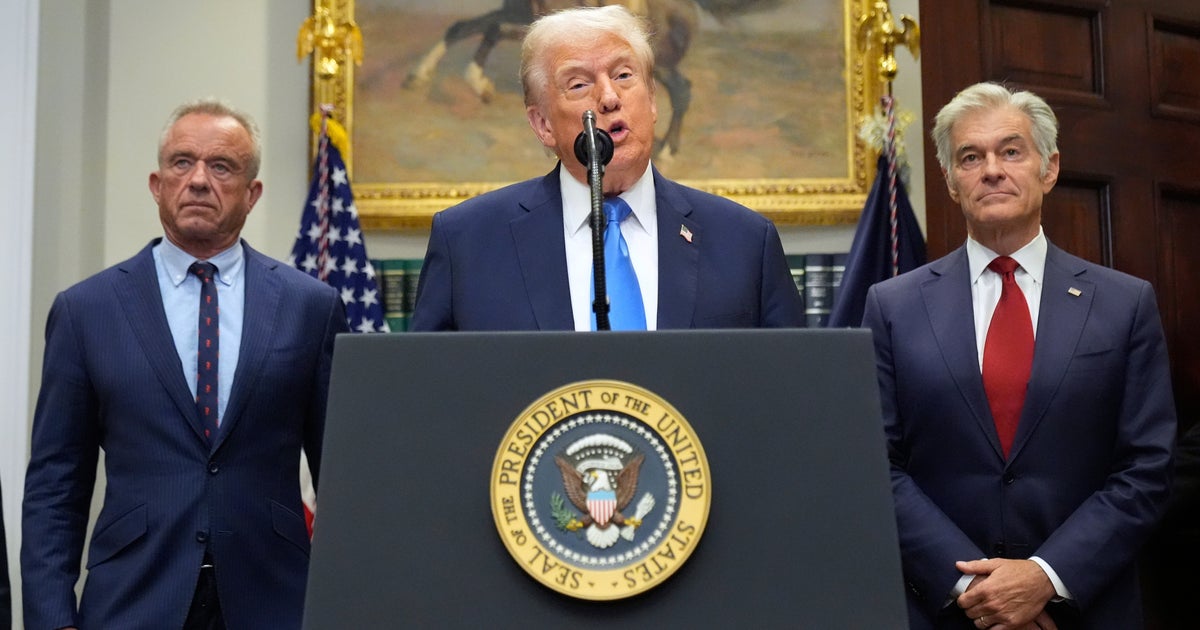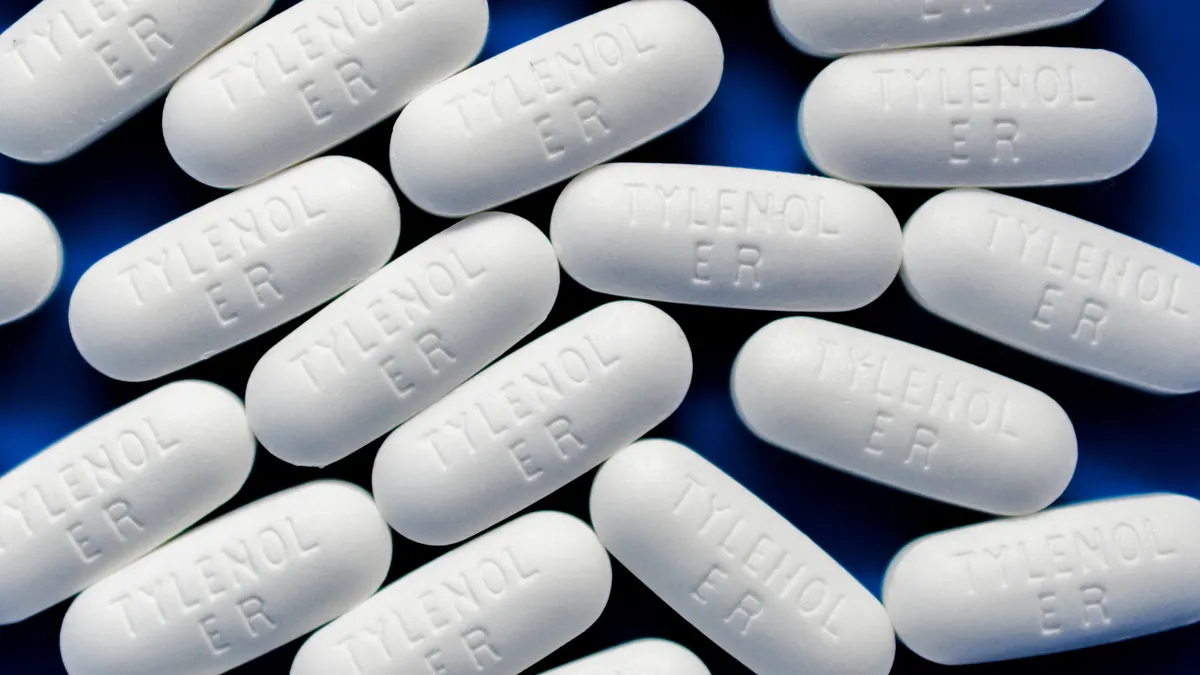
MIT Technology Review Explains: Let our writers untangle the complex, messy world of technology to help you understand what’s coming next. You can read more from the series here. At a press conference on Monday, President Trump announced that his administration was taking action to address “the meteoric rise in autism.” He suggested that childhood vaccines and acetaminophen, the active ingredient in Tylenol, are to blame for the increasing prevalence and advised pregnant women against taking the medicine. “Don’t take Tylenol,” he said. “Fight like hell not to take it.” The president’s assertions left many scientists and health officials perplexed and dismayed. The notion that childhood vaccines cause autism has been thoroughly debunked. “There have been many, many studies across many, many children that have led science to rule out vaccines as a significant causal factor in autism,” says James McPartland, a child psychologist and director of the Yale Center for Brain and Mind Health in New Haven, Connecticut.
And although some studies suggest a link between Tylenol and autism, the most rigorous have failed to find a connection. The administration also announced that the Food and Drug Administration would work to make a medication called leucovorin available as a treatment for children with autism. Some small studies do suggest the drug has promise, but “those are some of the most preliminary treatment studies that we have,” says Matthew Lerner, a psychologist at Drexel University’s A.J. Drexel Autism Institute in Philadelphia. “This is not one I would say that the research suggests is ready for fast-tracking.”