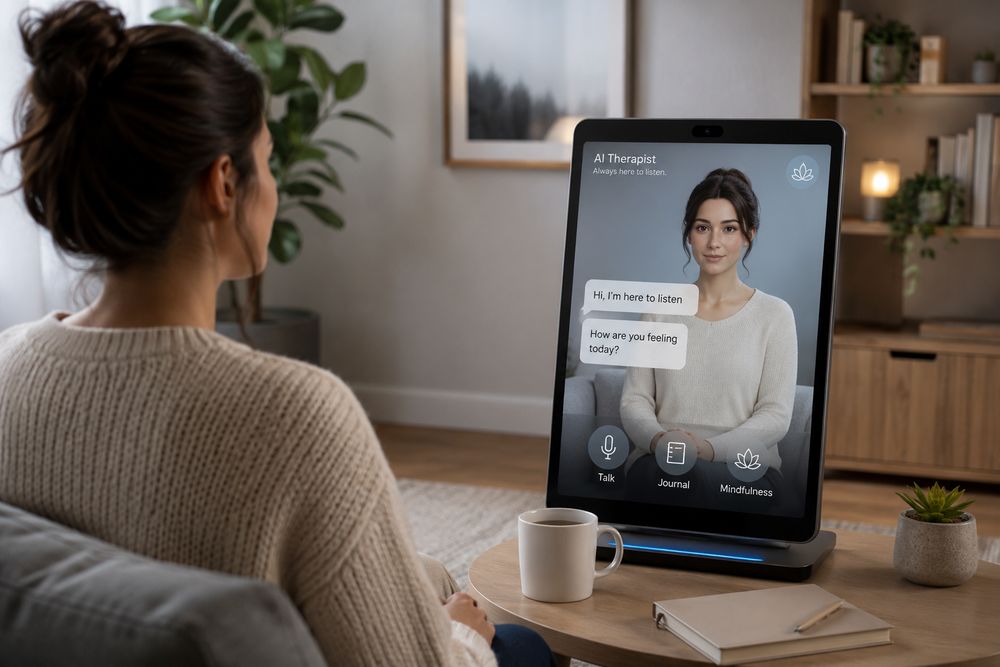
Could we soon see a world in which AI becomes your cherished work spouse? As worker loneliness becomes more and more of a business risk and job pessimism hits its worst point in a decade, it may not be too far off.
A new study from advisory firm KPMG found that 45% of workers surveyed reported feelings of loneliness in the workplace, and the majority would trade 20% in salary in exchange for working with close friends. And 99% of workers are interested in an AI chatbot that could become a close friend or trusted companion at work.
There’s a business case, too: Nearly 90% said friendship-enabling cultures are crucial for retention.
I started wondering how leaders should be balancing the influx of new tech—and, apparently, a desire to befriend it—with worker wellbeing. I called Leslie Hammer, the director of Oregon Healthy Workforce Center, who specializes in the effects of workplace conditions on mental health and wellbeing. She says it’s up to humans—not AI—to make employees feel safe and supported at work.
“Can AI help reduce loneliness? I am very skeptical of that,” Hammer told me. “The personal relationships and the history and the psychological safety that people develop over time, what that does is it enables people to trust and feel that if they share something, they’re not going to get denigrated.”