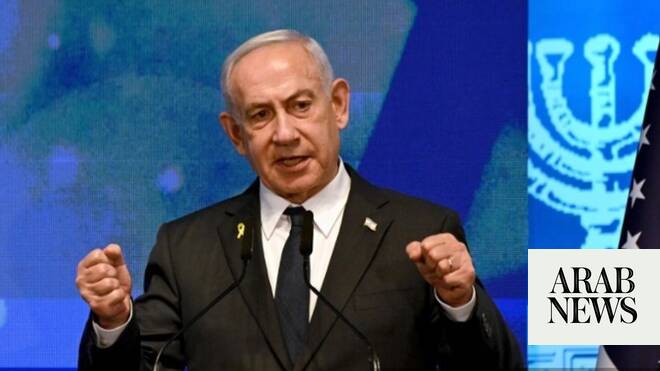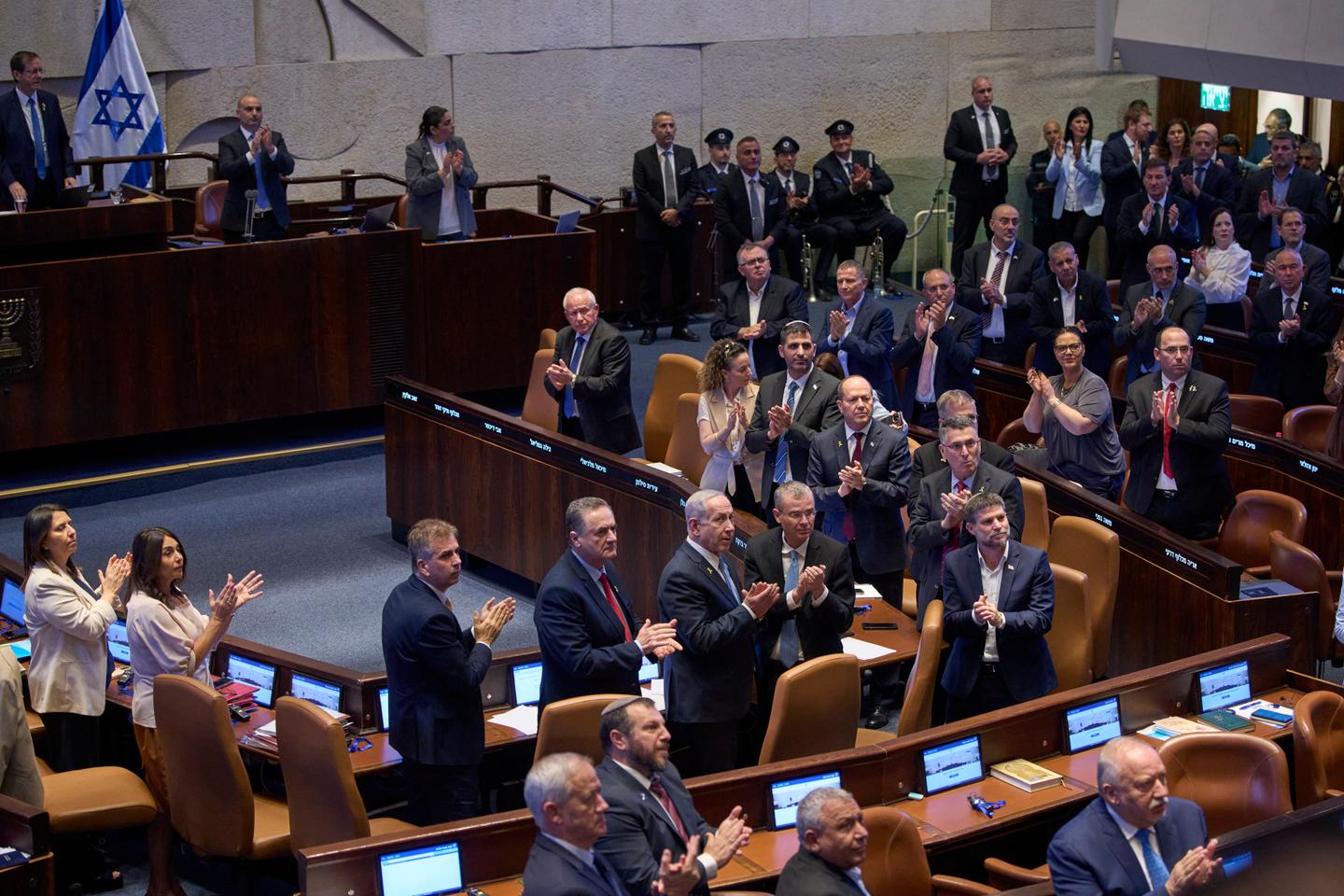
Israeli Prime Minister Benjamin Netanyahu (center) at the Knesset, Israel's parliament, in Jerusalem, June 11, 2025. OHAD ZWIGENBERG/AP
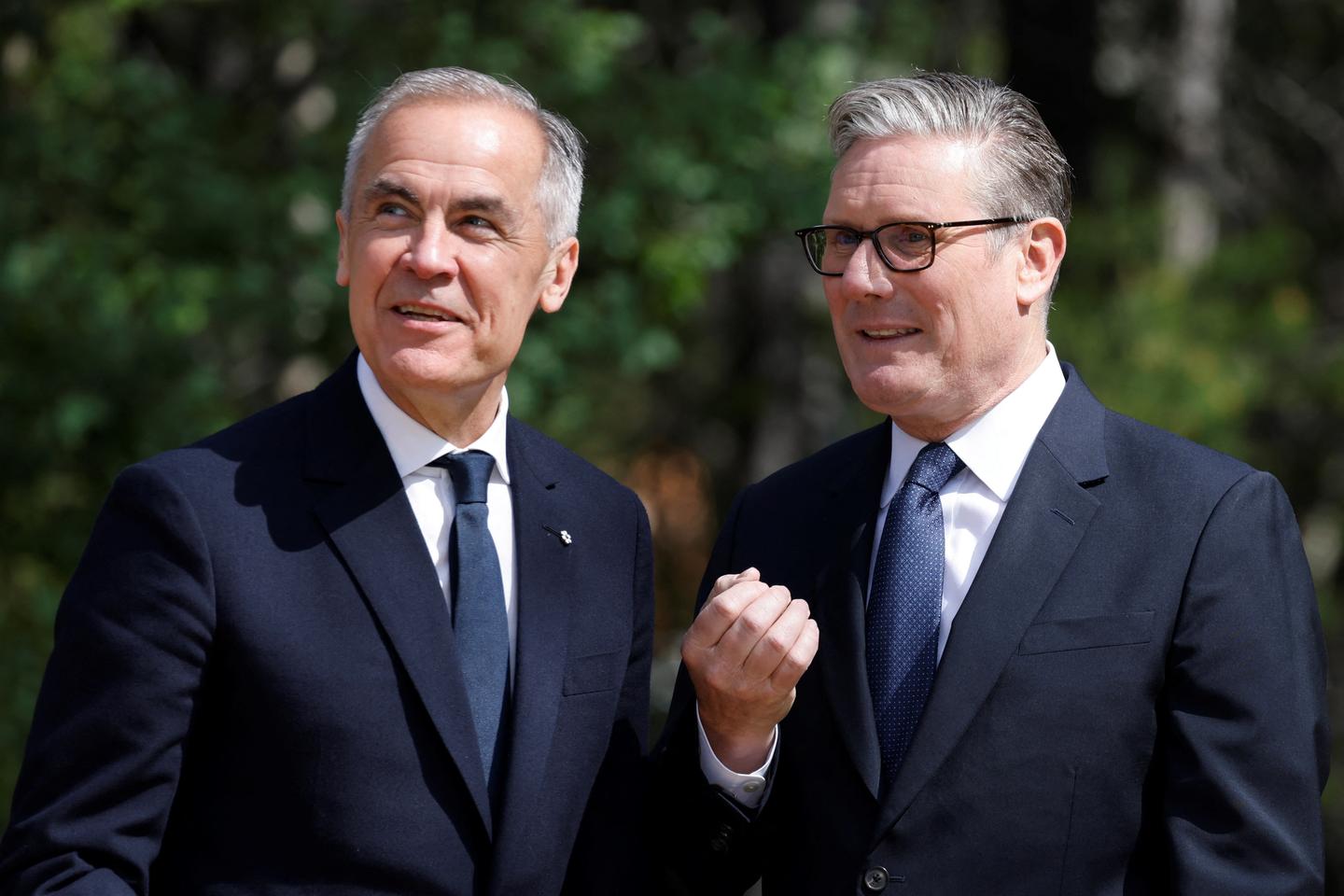
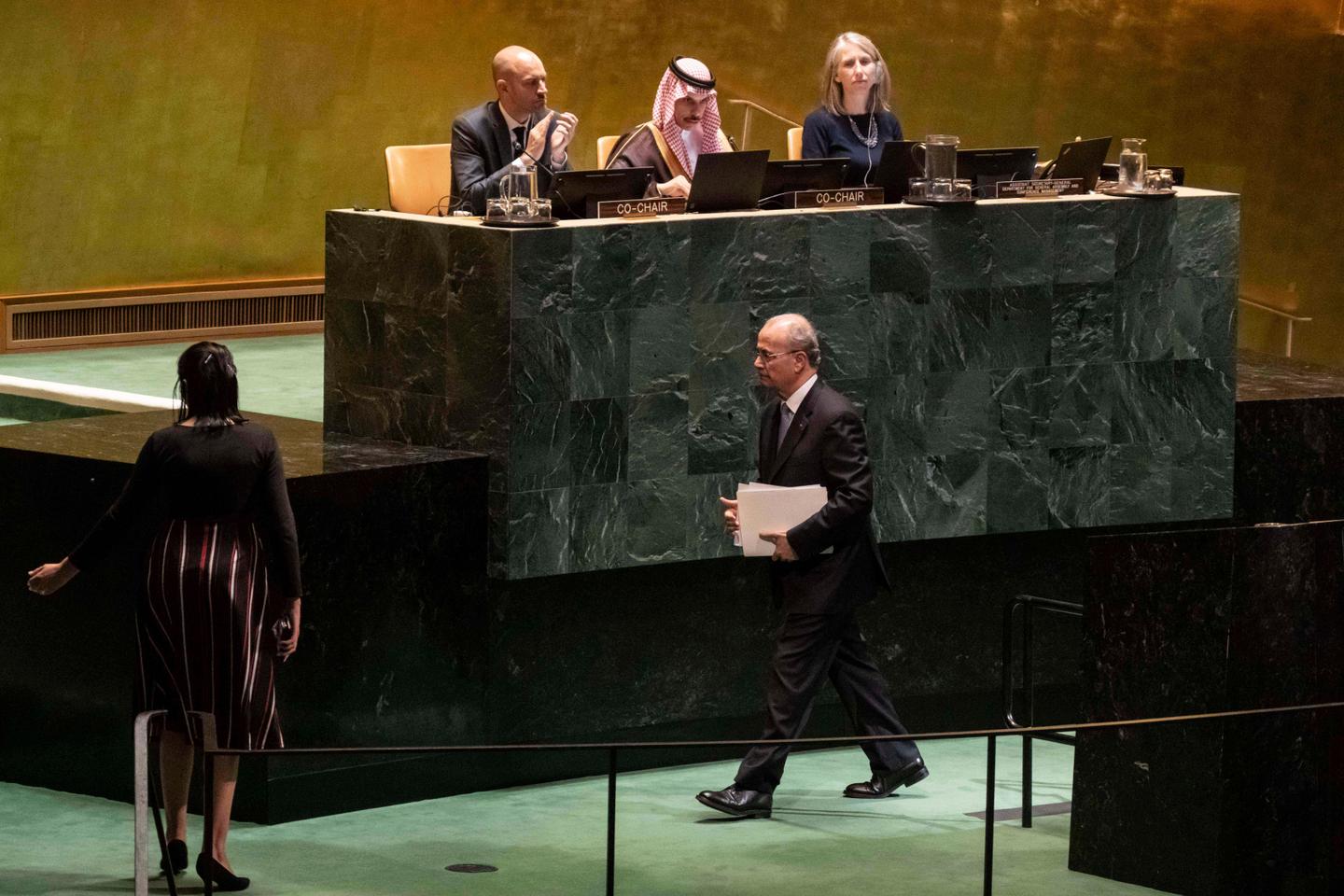
In a society as divided and fragmented as Israel's, moments of relative consensus are rare. The recognition of the State of Palestine on Sunday, September 21, by the United Kingdom, Canada, Australia and Portugal – before France on Monday – sparked an almost unanimous critical reaction across Israel's political spectrum, 23 months after the October 7, 2023 attack.
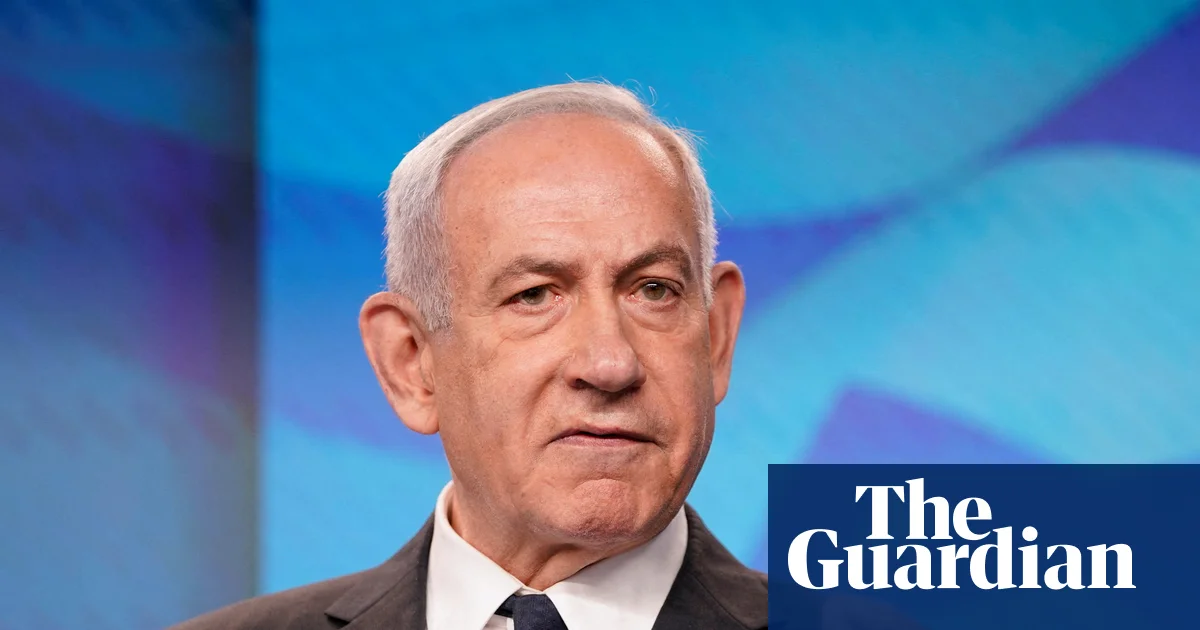
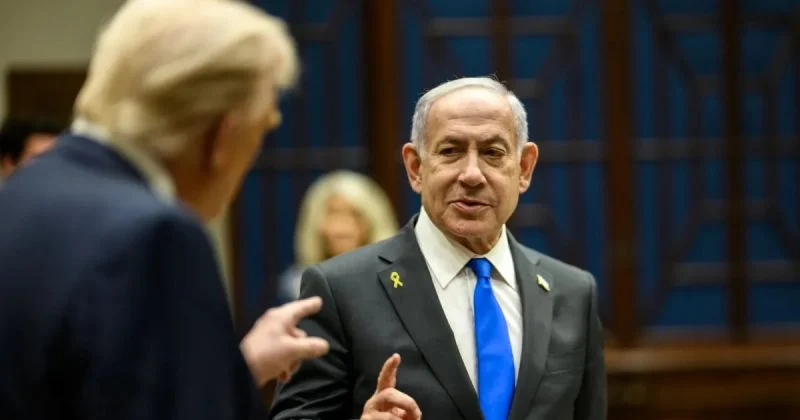
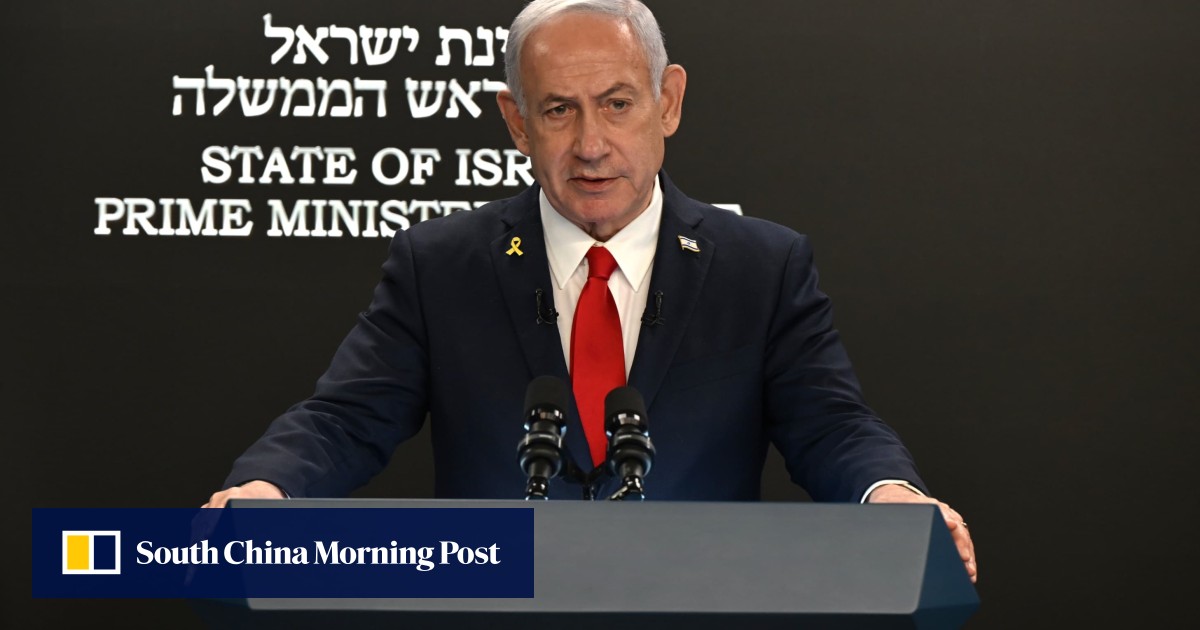
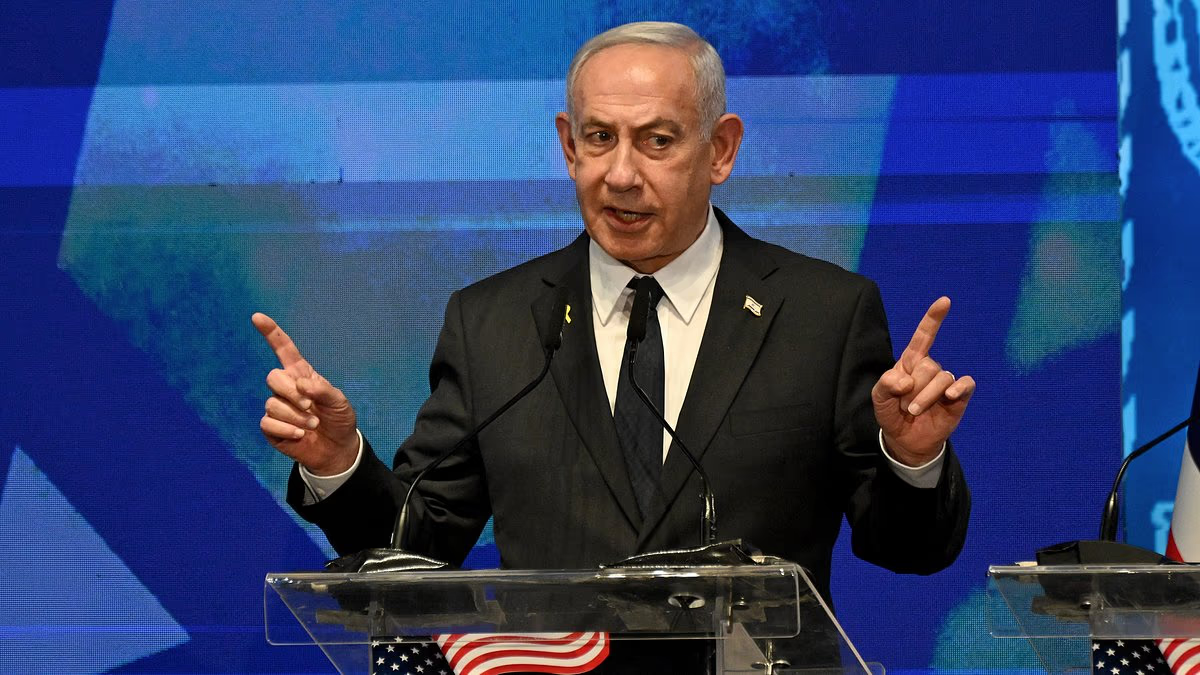
Prime Minister Benjamin Netanyahu pledged to respond – likely after the Jewish New Year celebrations and a scheduled meeting at the White House with US President Donald Trump on September 29.
The Israeli leader has already confirmed, in very strong terms, his categorical rejection of any recognition, even if it remains symbolic and has no tangible impact for Palestinians. "I have a clear message to those leaders who are recognizing a Palestinian state after the horrendous October 7 massacre: You are rewarding terror with an enormous prize," Netanyahu declared in a video released Sunday evening. "I have another message for you: It's not going to happen. There will be no Palestinian state to the west of the Jordan River," he added, recalling that he has been fighting "for years" against "the creation of that terrorist state."