Humanitarian workers can’t be brave at any cost. Australia’s new declaration will help protect them
T
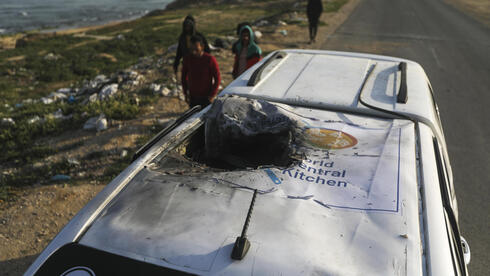
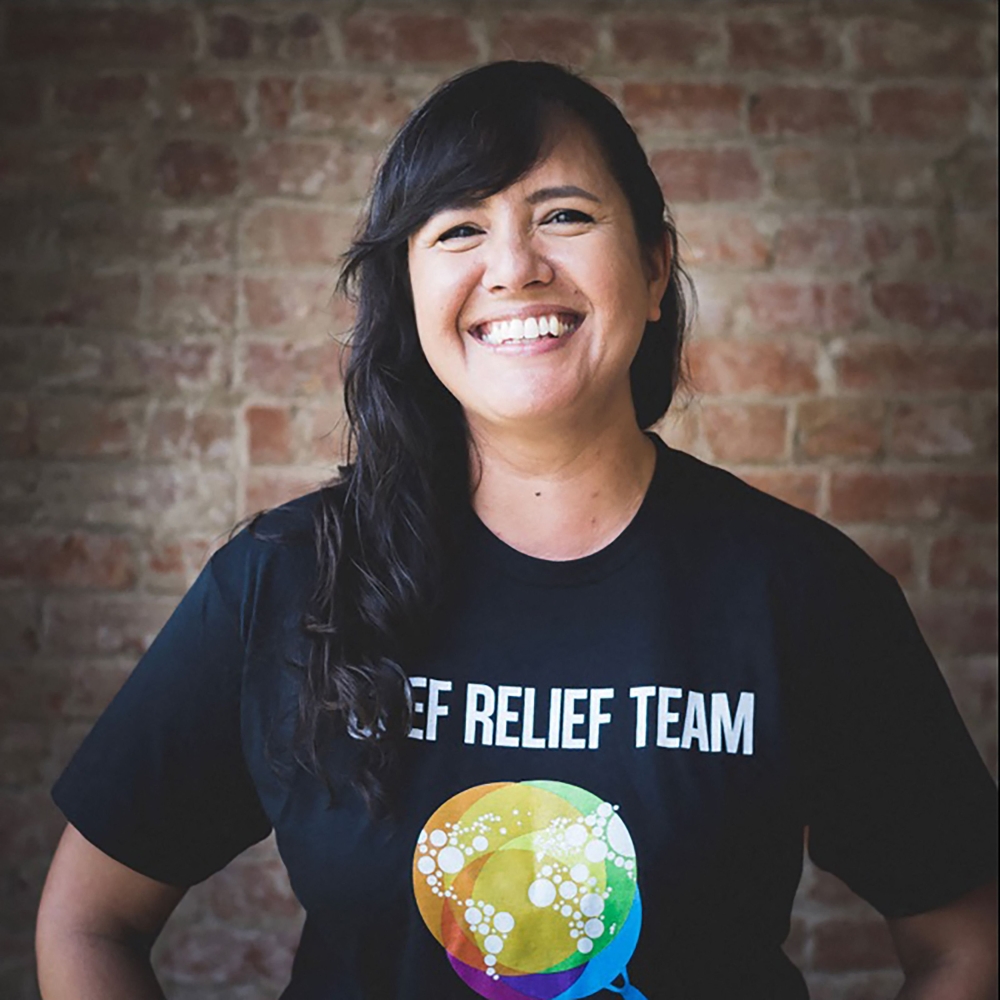
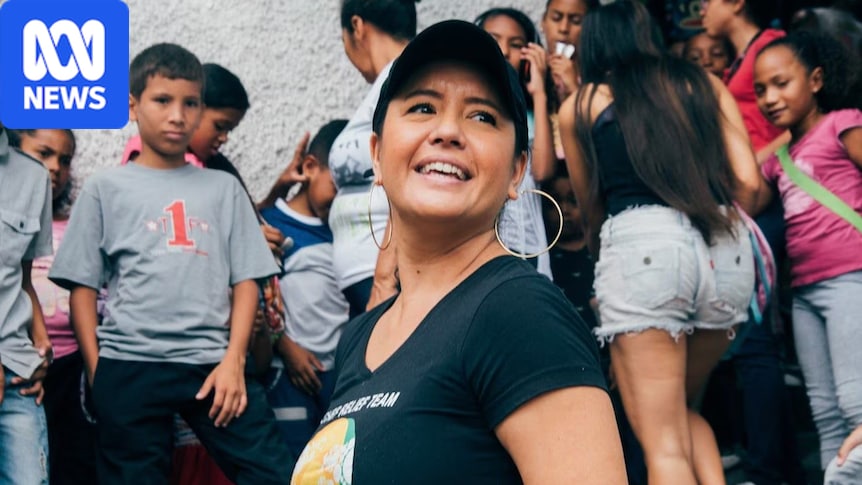
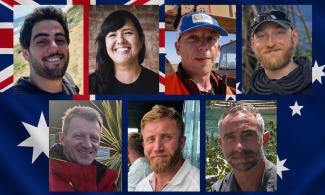
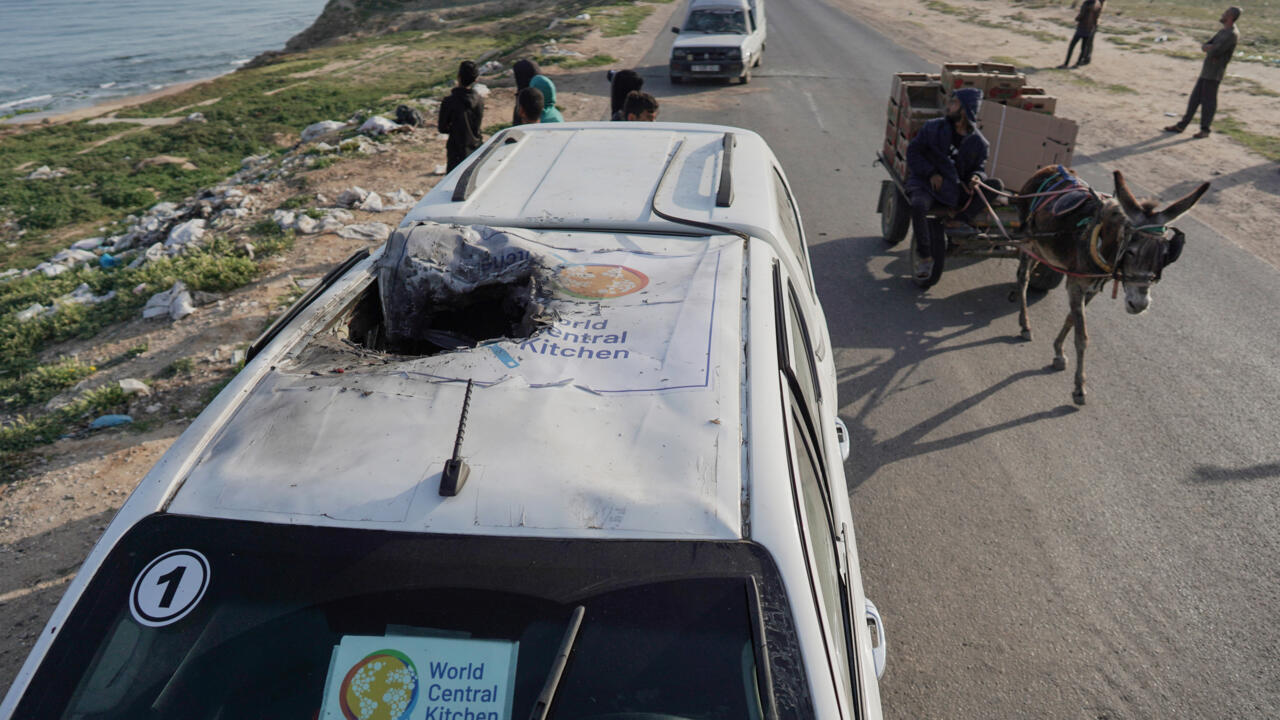
he phone call every humanitarian worker’s family dreads came to Zomi Frankcom’s family in April 2024. An Australian, Frankcom was in Gaza with World Central Kitchen, feeding people in the middle of a catastrophe. She and six of her colleagues were killed in an instant, their vehicles targeted in what Israel’s government later described as a grave mistake. Showing immense strength, Frankcom’s family felt strongly that her death must lead to the protection of others. Humanitarians workers, they said, “can’t be brave at any cost”.
Zomi Frankcom’s death was outrageous and unacceptable. But, shockingly, it was no anomaly. Rather, it is a part of a brutal global trend. In conflicts from Ukraine to Sudan, and even during disputes where there is no formal conflict, the sense is that lives of humanitarian workers are expendable. The consequences for taking them are not significant enough to stop.
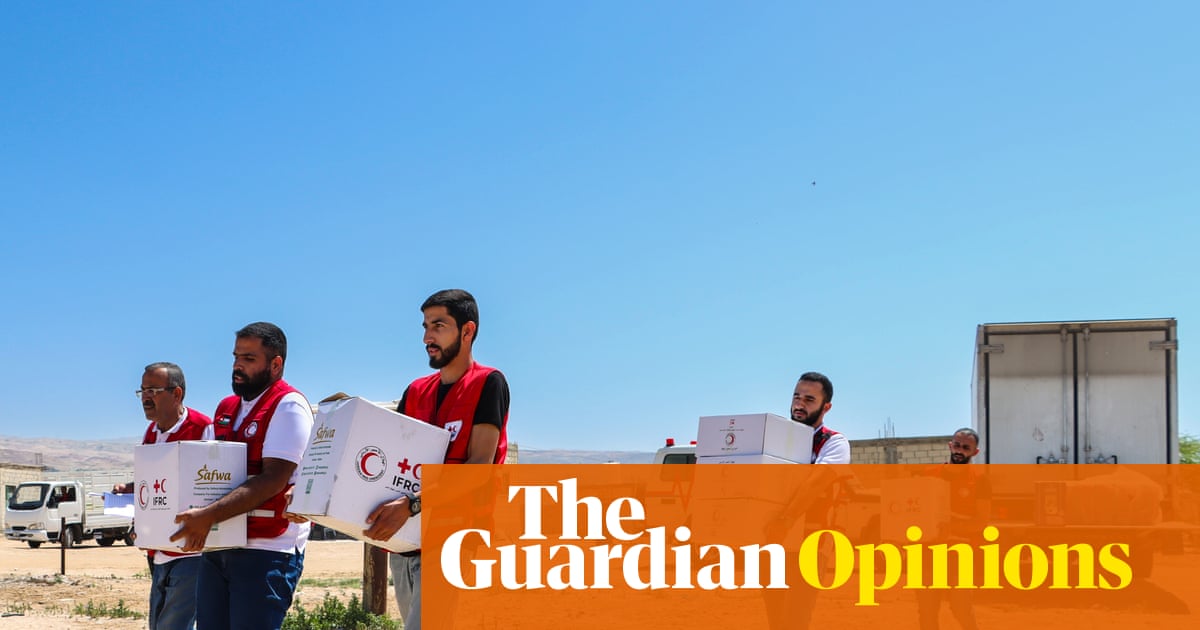
The crisis is global. According to the Aid Worker Security Database, 2024 was the deadliest year on record, with 385 humanitarian workers killed across 20 countries. Tragically, 2025 is on track to be just as bad, with at least 265 humanitarians killed already. Emblems of neutrality – including the red cross and red crescent of the International Red Cross and Red Crescent Movement – seem more frequently viewed as targets than shields.