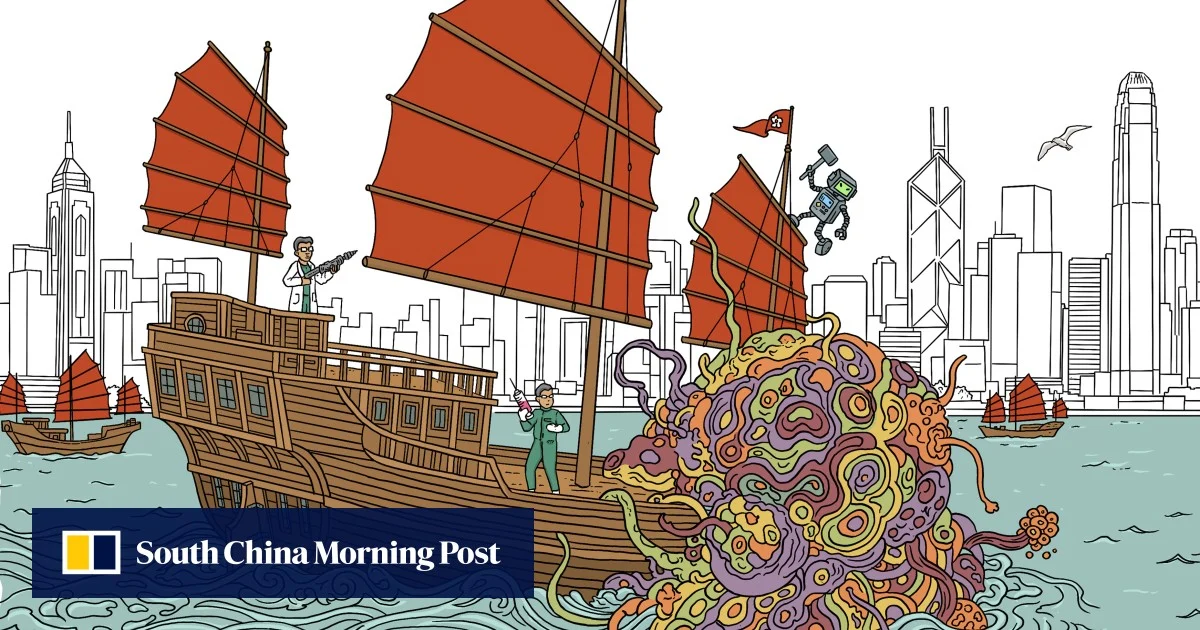
Readers discuss how higher education can help boost cancer literacy, the voting down of a bill on recognising same-sex partnerships, and healthy food choices
Cancer remains a prevalent and dreadful disease. According to the Global Cancer Observatory, there were 20 million new cases and 9.7 million deaths from cancer worldwide in 2022. In Hong Kong, cancer is one of the leading causes of mortality, accounting for about one-fourth of all deaths locally.
Yet, at least half of all cancers are considered preventable through reducing risk factors and behaviours, as well as implementing evidence-based preventive strategies. Many cancers have a high probability of cure if diagnosed early and treated properly. In this sense, education can allow for the possibilities of early management, including diagnosis and treatment, by equipping students with credible, comprehensible knowledge about cancer.
Cancer literacy changes behaviour. Research suggests relevant literacy significantly correlates with screening participation for breast, cervical and colorectal cancers, independently of other factors. Moreover, today’s therapeutic toolbox is much more diverse than surgery, chemotherapy and radiotherapy. The updated paradigm includes targeted therapies, immunotherapies, cell-based therapies and biomarker-guided precision medicine. Cancer literacy helps demystify these treatment options, allowing people to navigate care with less fear and more clarity for themselves and their loved ones.