Treatments continue to improve. The challenge now facing ministers is hugely unequal outcomes
N
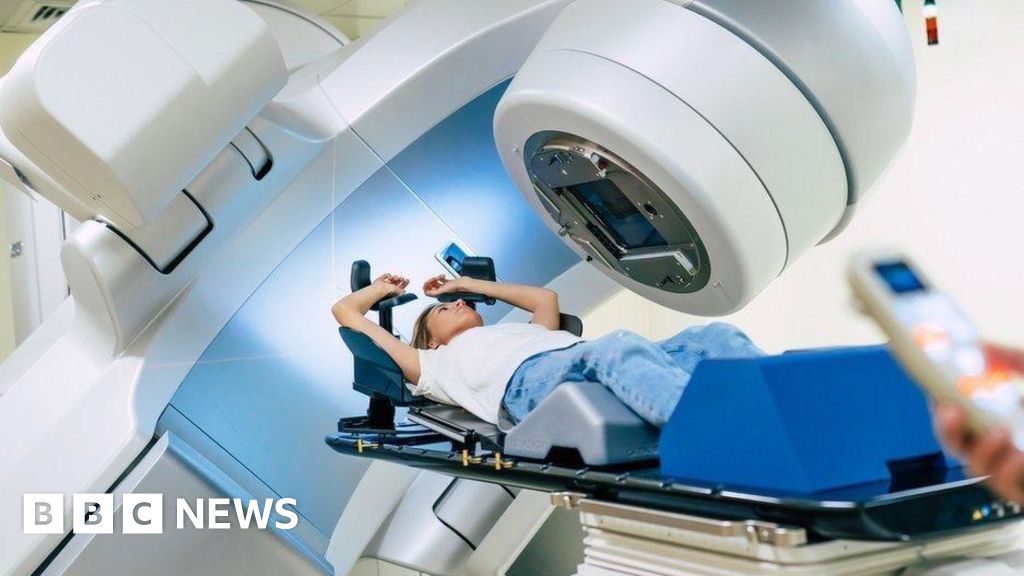
ew analysis from Cancer Research UK, revealing a 29% drop in the rate of people dying from cancer compared with 40 years ago, is a vital counterpoint to grim health headlines about the UK’s outcomes falling behind those of other countries, and the NHS missing its own cancer targets. Prof Chris Whitty, the chief medical officer for England, made a related point in a recent lecture. Stand back from the day to day, he said, and the extraordinary leaps forward enabled by vaccinations and other advances in treatment and public health come into focus.
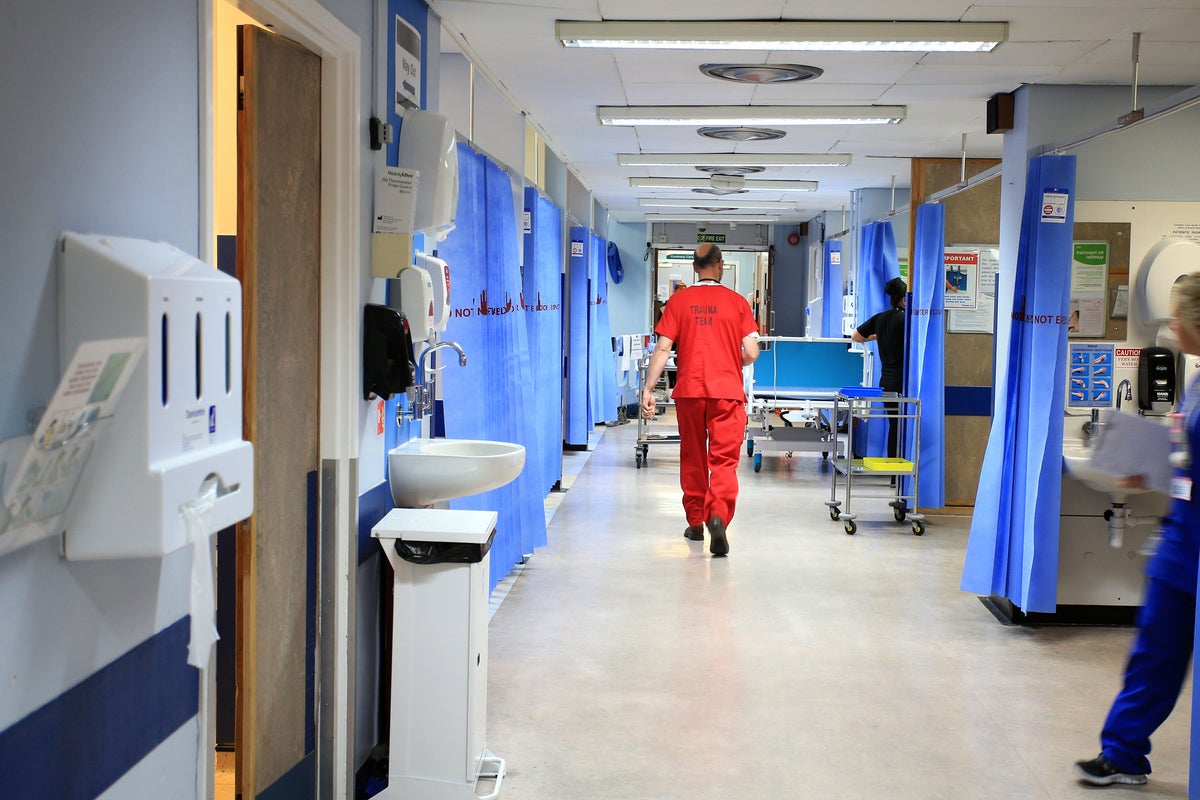
This longer view is not a cause for complacency or inaction. England’s latest cancer plan, launched last month, highlighted shocking lapses including lengthy waits for treatment and a failure to tackle inequalities in cancer mortality dating back 15 years. Last year, analysis by the Guardian found that about three-quarters of NHS trusts were failing to reach standards relating to diagnosis and treatment.
Over the past decade, deaths from kidney, liver and some other cancers have risen. And Brexit has had an adverse impact on the development of new treatments, with researchers facing a trickier environment for clinical trials. One report last year pointed to the increased difficulty of international collaboration, reduced access to grant funding and border controls hindering the ability of experts to move around.