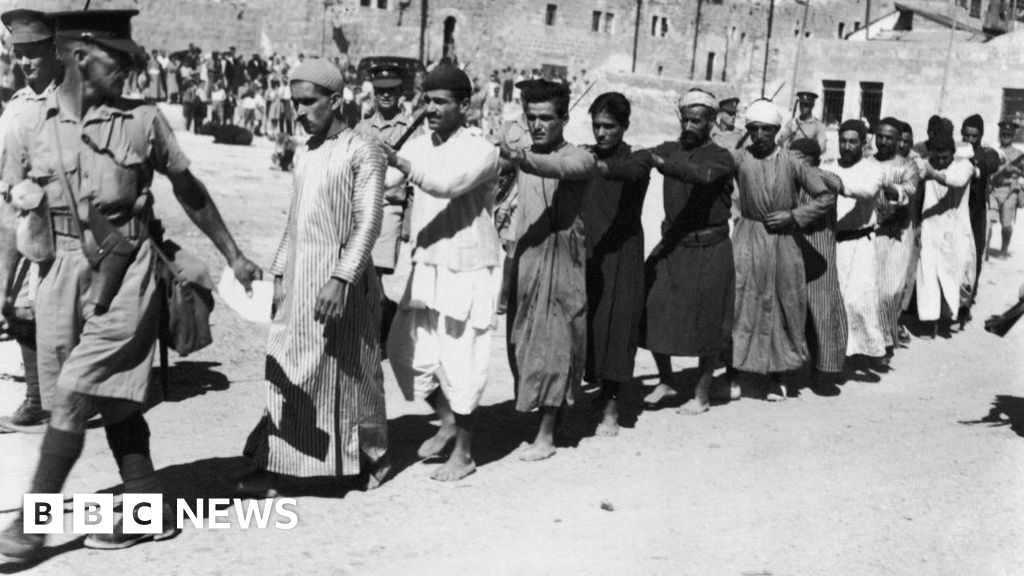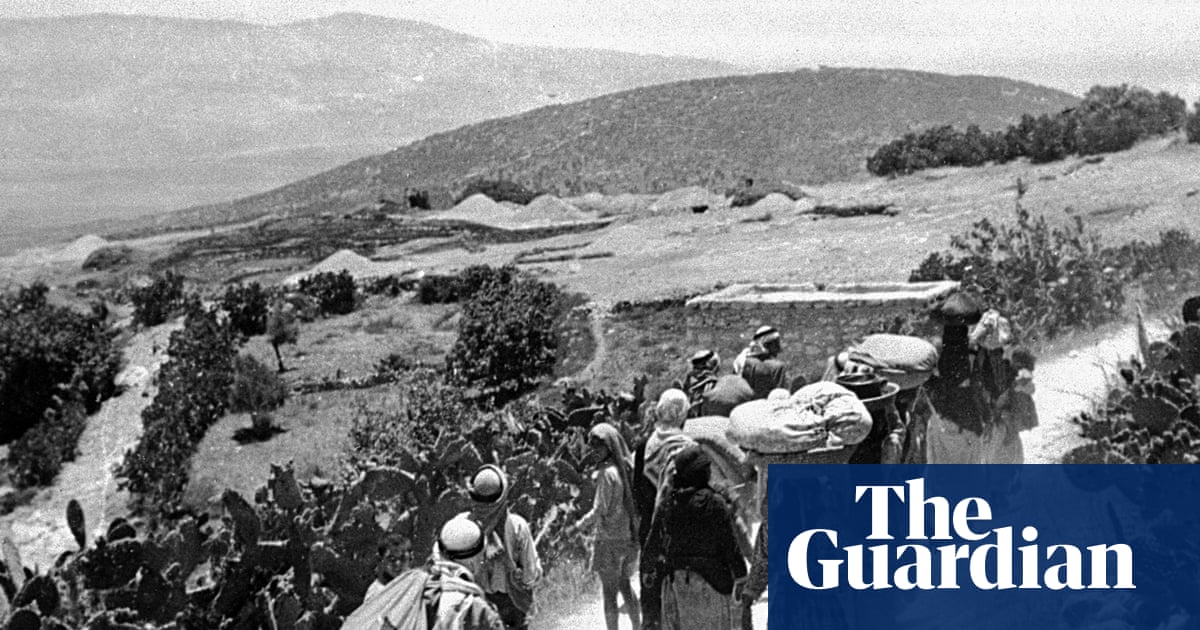
British politicians were heavily involved in region in early to mid 1900s, as Israel was established and Palestinians displaced
In announcing at the UN in July that the UK would recognise a Palestinian state, the UK foreign secretary, David Lammy, said he felt the hand of history on his shoulders. That is not altogether unsurprising, since no European state has played a longer or more controversial role in handling the Palestinian people’s right to self-determination. These are some of the key moments for Britain’s involvement.
In 1914 when the first world war began, the Ottoman empire threw in its lot with the central powers and Britain’s response was to declare Egypt a British protectorate. The following April, the members of the triple entente – France, Russia and Great Britain – started to secretly negotiate backroom plans for the Middle East on the assumption that the Ottoman empire would collapse.
Between 1915 and 1916, secret talks led to the Sykes-Picot agreement, a Franco-British deal fully disclosed only 20 years later, to carve up the Middle East. It set out the French and British priority of interest across the Middle East, including a broad plan for international administration in Palestine.