As well as being deeply symbolic, the move is also a major foreign policy shift for the Labour government
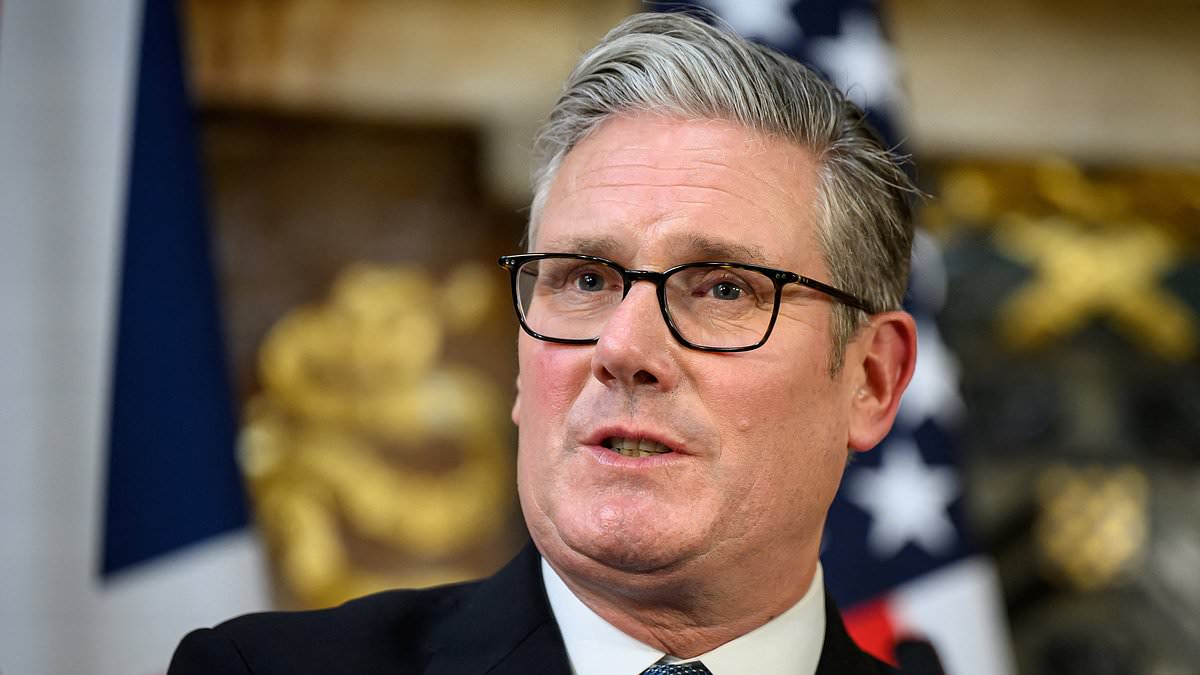
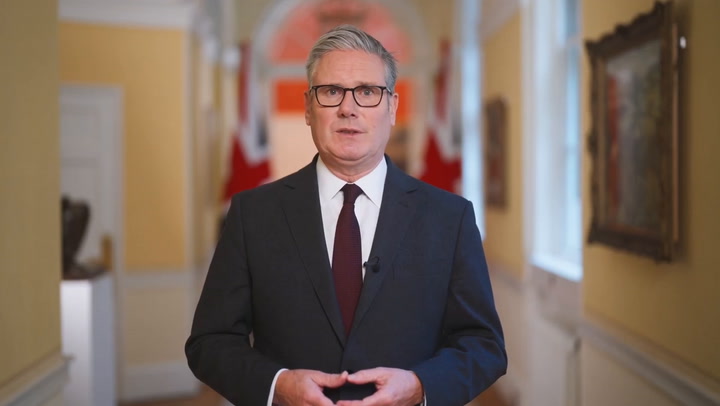
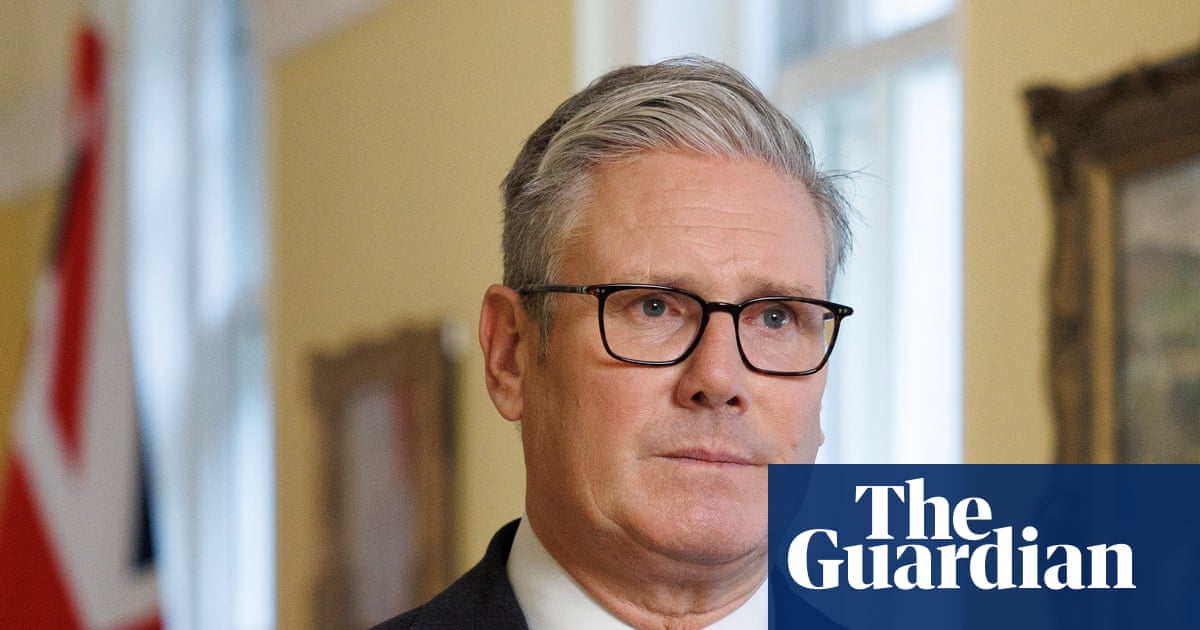
The UK’s formal recognition of Palestinian statehood is deeply symbolic on the world stage, but the major foreign policy shift is also a significant political step for the Labour government at home. The announcement followed mounting pressure on Keir Starmer from within the Labour party and beyond.
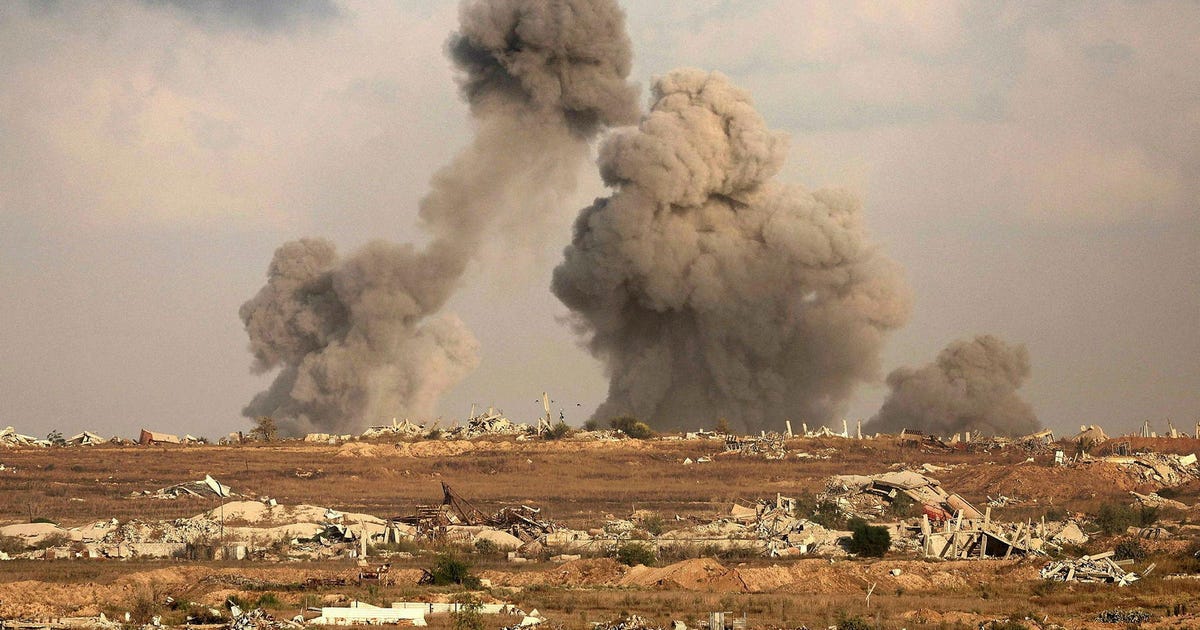
The Hamas attacks on Israel on 7 October 2023 were met with horror across the British political spectrum. Yet soon after, concern began to mount around the scale of Israel’s response. As the death toll rose, and the situation on the ground in Gaza worsened, internal pressure on Starmer increased.
The government had disappointed many on its own side by saying recognition would happen only as part of a negotiated peace deal. By July this year, more than 100 Labour MPs had signed a cross-party letter, led by the Rotherham MP Sarah Champion, calling for the government to formally acknowledge Palestine immediately.
As global outcry grew, the Guardian revealed that cabinet ministers were also privately urging the prime minister to act. They included his then deputy, Angela Rayner, and the now foreign secretary, Yvette Cooper. The health secretary, Wes Streeting, told MPs he wanted recognition “while there’s still a state of Palestine left to recognise”.