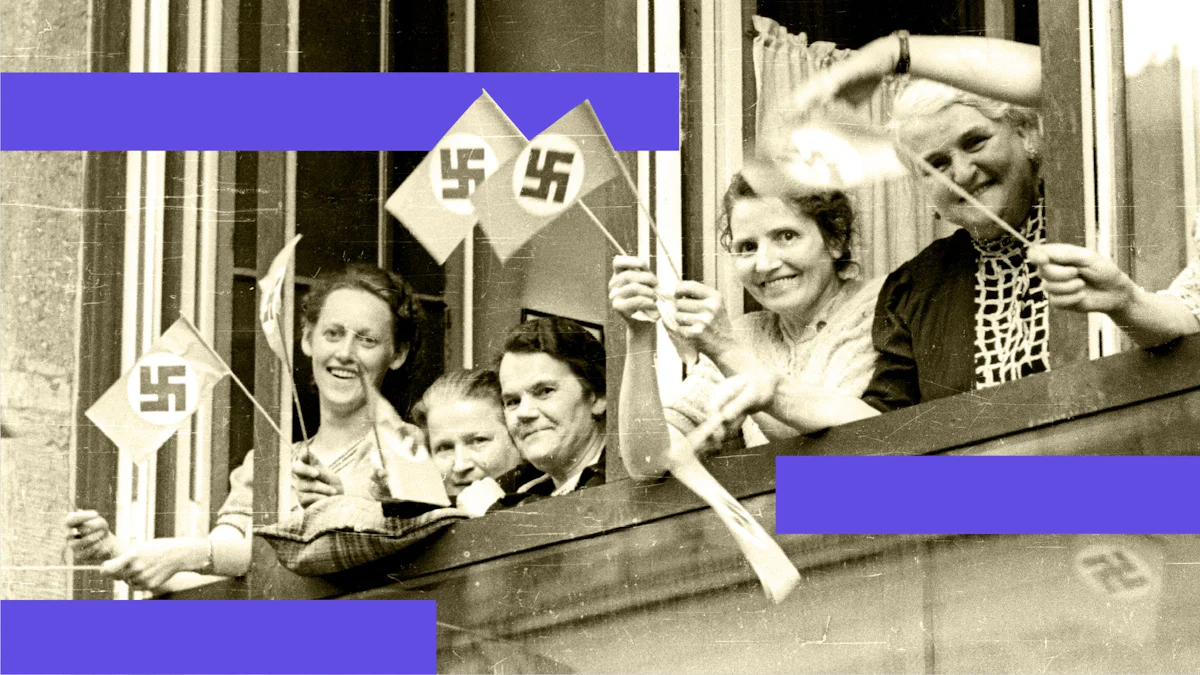
Fascist regimes pushed narratives of domestic bliss, yet relied on women’s unpaid labor. In the US today, ‘womanosphere’ influencers promote the same fantasies
In 1980, Gertrud Scholtz-Klink, an unrepentant former leader of the Nazi women’s bureau in Berlin from 1934 to 1945, described her former job to historian Claudia Koonz as “influencing women in their daily lives”.
To her audience – approximately 4 million girls in the Nazi youth movement, 8 million women in Nazi associations under her jurisdiction, and 1.9 million subscribers to her women’s magazine, Frauen Warte, according to Koonz – Scholtz-Klink promoted what she called “the cradle and the ladle”, or reproductive and household duties as essential to national strength.
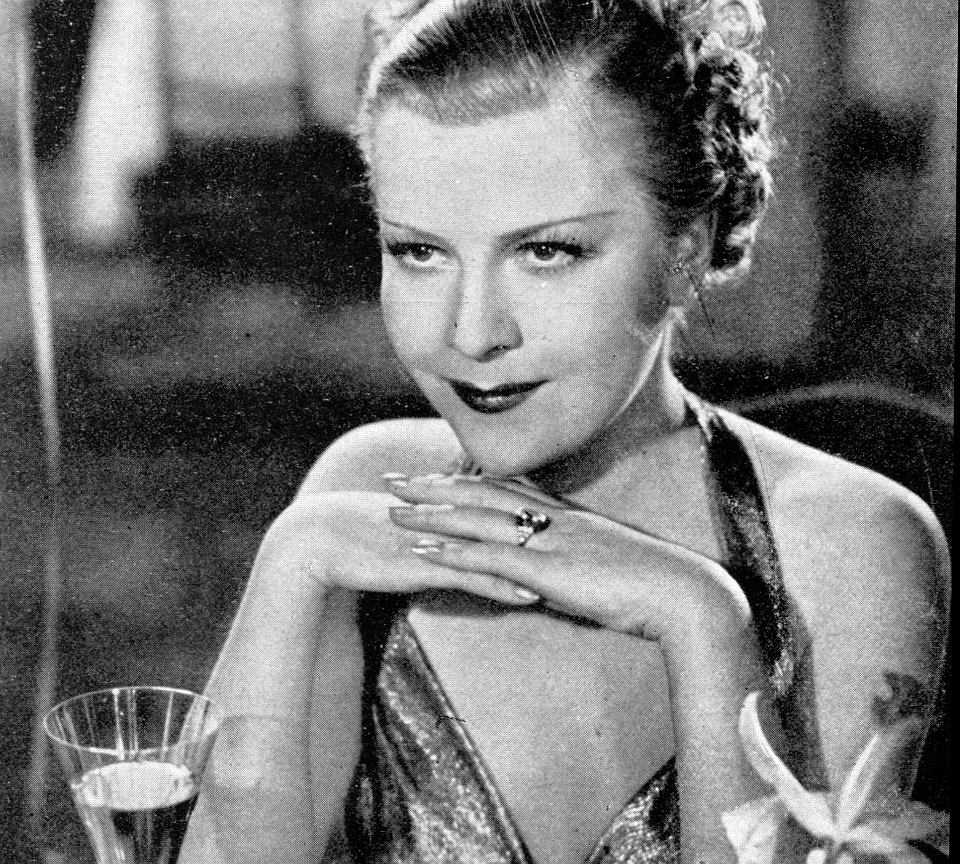
“There was a whole array of women’s magazines that glorified housewives” in Nazi Germany, says Koonz, a professor emerita of history at Duke University. “It would be the equivalent of social media today.” Frauen Warte contained nothing too political – just broadly appealing lifestyle content about keeping a clean and well-provisioned home while raising a healthy family, with occasional debates about how much makeup one should wear. A barefaced look was preferred – much like the “clean girl” trend of today. “In a censored society everyone needs debates about harmless topics,” says Koonz.