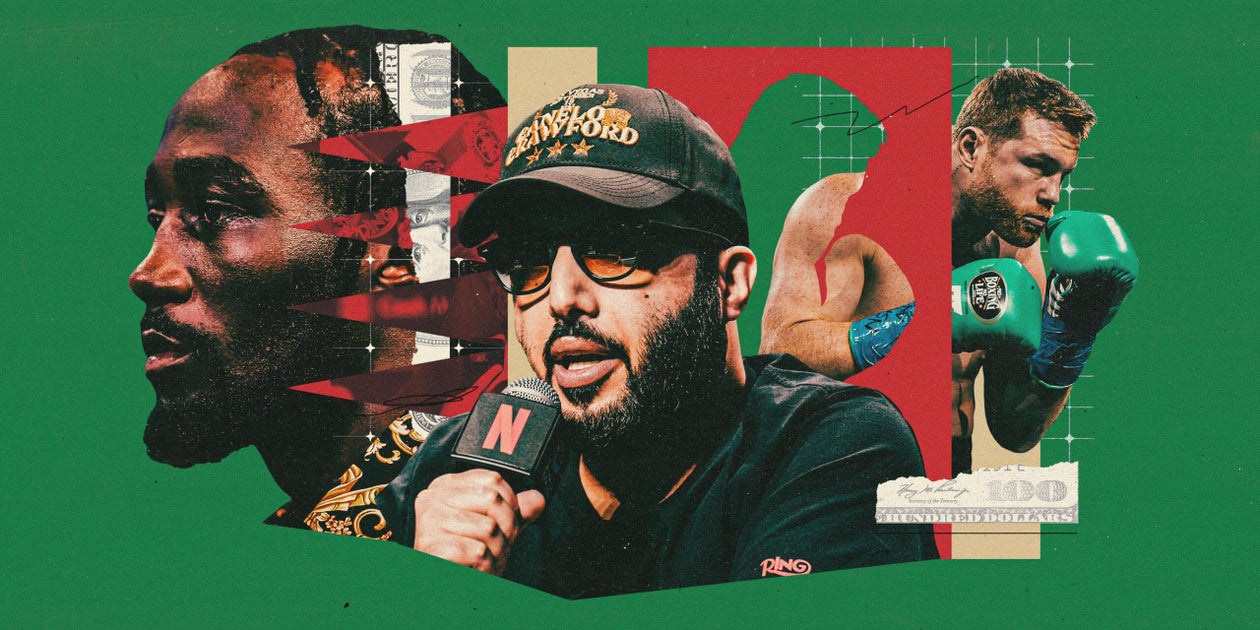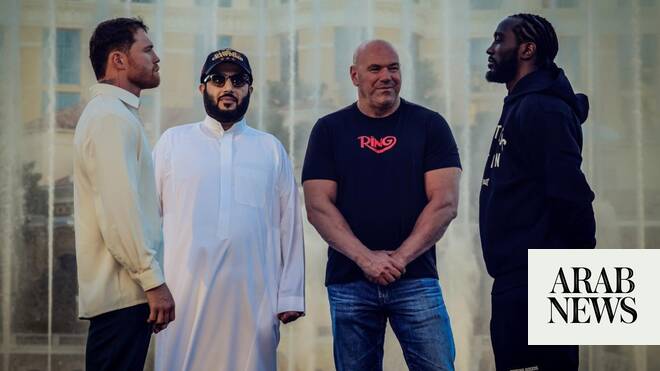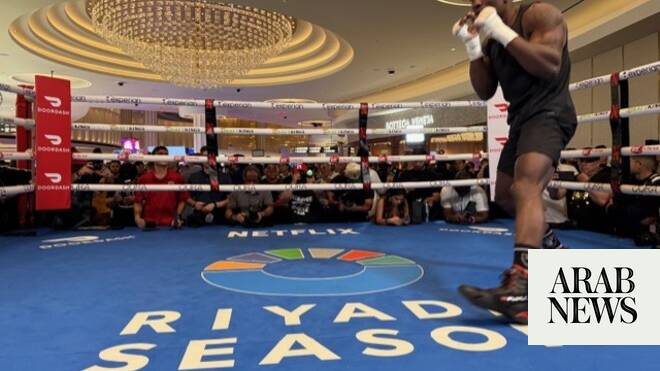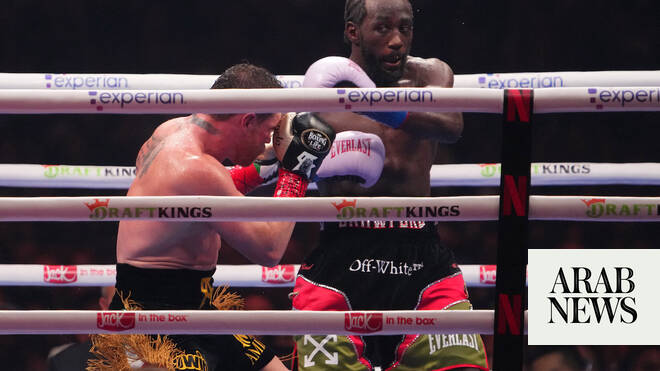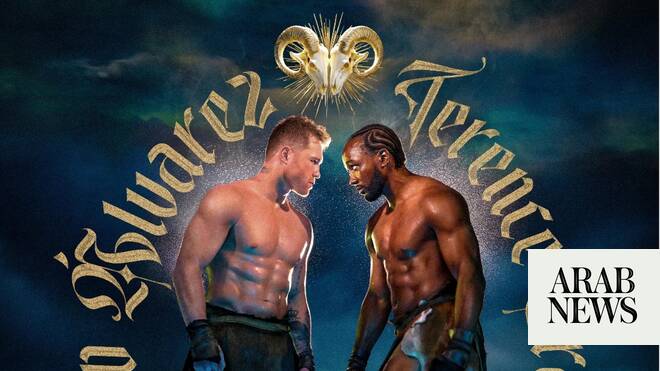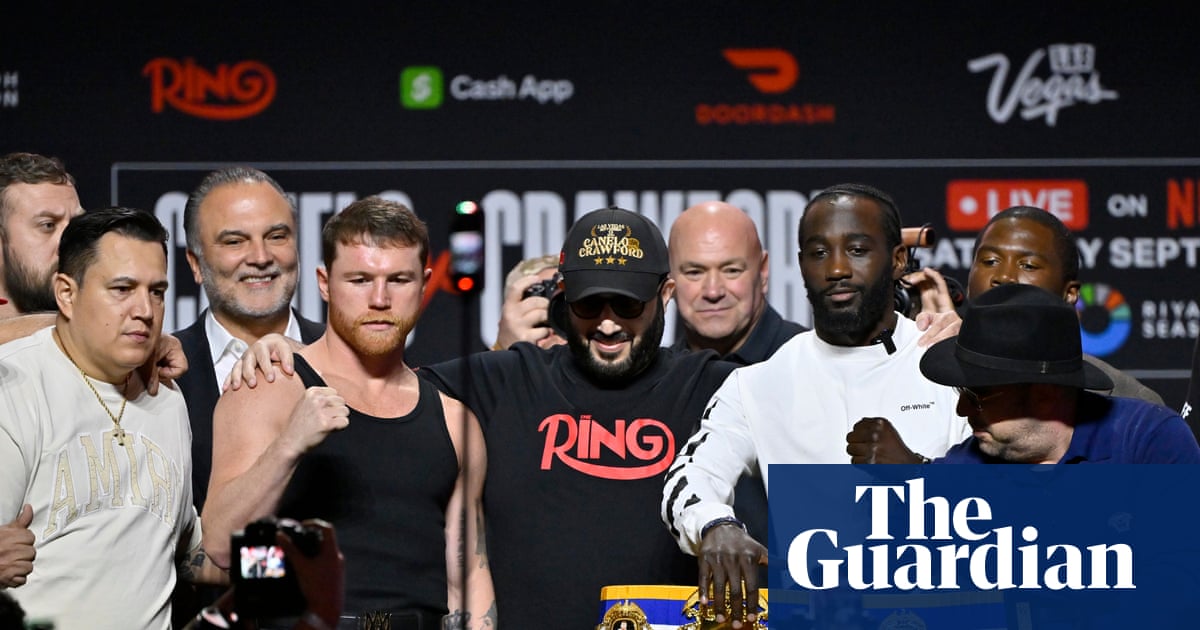
Large egos and competing interests were on display in Las Vegas during fight week. At times it seemed two of the few players of note who weren’t fighting with each other were Canelo and Crawford
On 13 September, Terence Crawford solidified his status as a great fighter with a hard-fought, unanimous decision victory over Canelo Álvarez at Allegiant Stadium in Las Vegas.
The event was conceived, financed, and marketed by Turki al-Sheikh, the chairman of the Saudi Arabian General Entertainment Authority, and Dana White, the president and CEO of the Ultimate Fighting Championship (UFC). It was to act as a foundation stone for their plan to make Zuffa Boxing, a company controlled by interests they represent, the dominant force in professional boxing.
Boxing’s last “golden age” was orchestrated by HBO Sports. For decades, the cable giant delivered fights that fans wanted to see. Overall, the network conducted itself as though it had a fiduciary duty to the sport. It understood that, if boxing thrived, then its boxing franchise would too.
HBO’s boxing program began to decline with the 2000 departure of Seth Abraham and Lou DiBella, who had been its primary architects. Ultimately, boxing declined with it. The sport moved away from a self-sustaining business model. Instead of recouping costs through ticket sales, license fees, pay-per-view buys and other fight-generated revenue, big-time boxing became reliant on “big losers”.