In 1956, armed United Nations peacekeepers were deployed for the first time in history. Their destination was Sinai and the Gaza Strip - then controlled by Egypt - in response to a joint British-French-Israeli attack on Egypt’s Suez Canal.
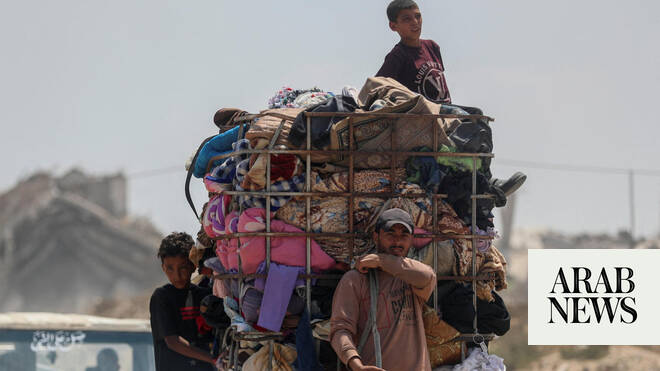
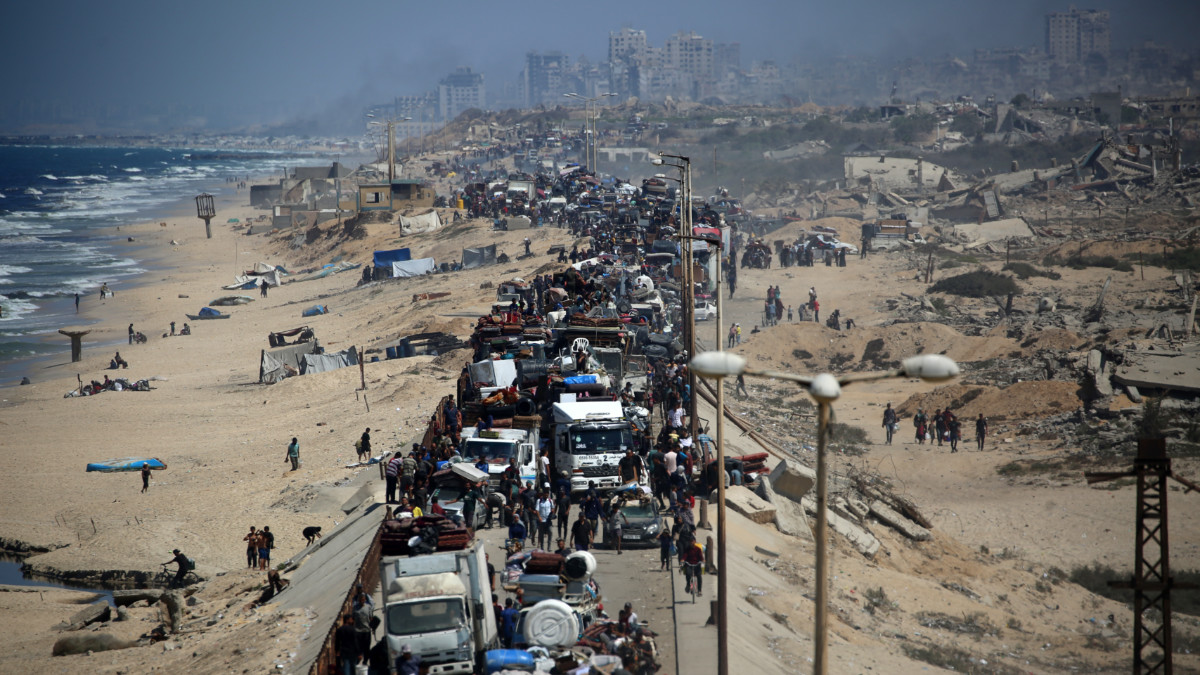
As Israeli atrocities in Gaza mount and the UN prepares for its 80th General Assembly, many are asking what the international organisation can do in Gaza now, and why it isn't doing more.
Although the Suez Crisis is vastly different from Gaza, the UN Emergency Force’s deployment carries relevant lessons for today on how the UN can act.
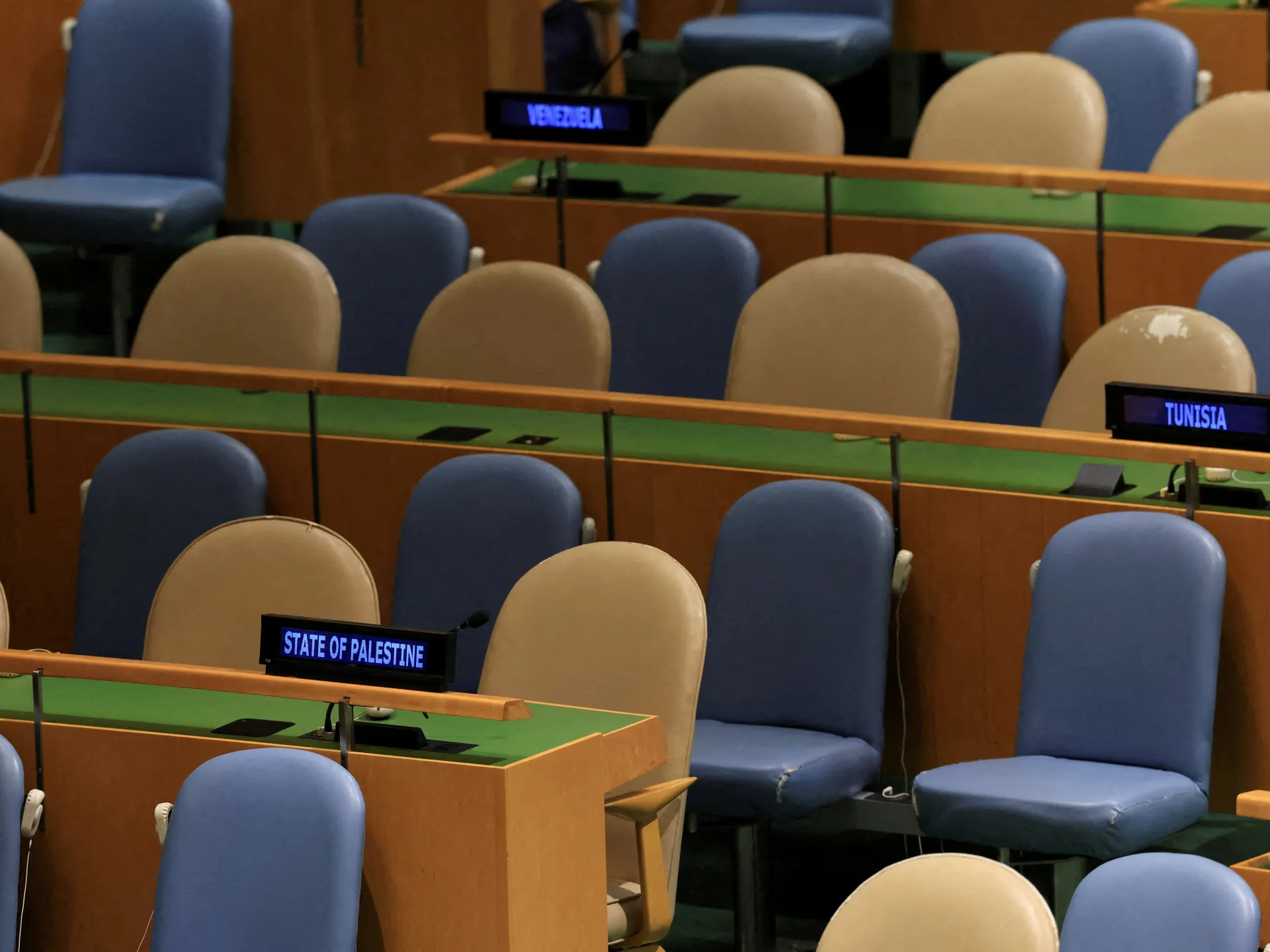
The US has provided unconditional backing for Israel’s assault on Gaza, which a growing chorus of legal experts and scholars says is a genocide. It has used its veto power, as it did again on Friday, at the UN Security Council at least six times to block resolutions calling for a ceasefire and unhindered access of aid to Palestinians.
But in 1956, the UN Security Council was also deadlocked because two aggressors - Britain and France - held veto power. The UN General Assembly bypassed the Security Council by invoking the 1950 resolution, “Uniting For Peace”, to deploy peacekeepers over their objections.