https://arab.news/6dhcd
The idea of deploying an international stabilization force in Gaza under the US-brokered ceasefire between Israel and Hamas has sparked cautious optimism. After months of relentless destruction, a multinational presence of mainly Arab and Muslim nations could offer the war-ravaged enclave its first genuine chance at stability. Yet, for such an ambitious plan to succeed, the force must be anchored in legitimacy, protected by law and guided by impartial authority — which means it must operate under a UN mandate. Anything less would risk transforming the mission into a political tool rather than a peacekeeping effort.
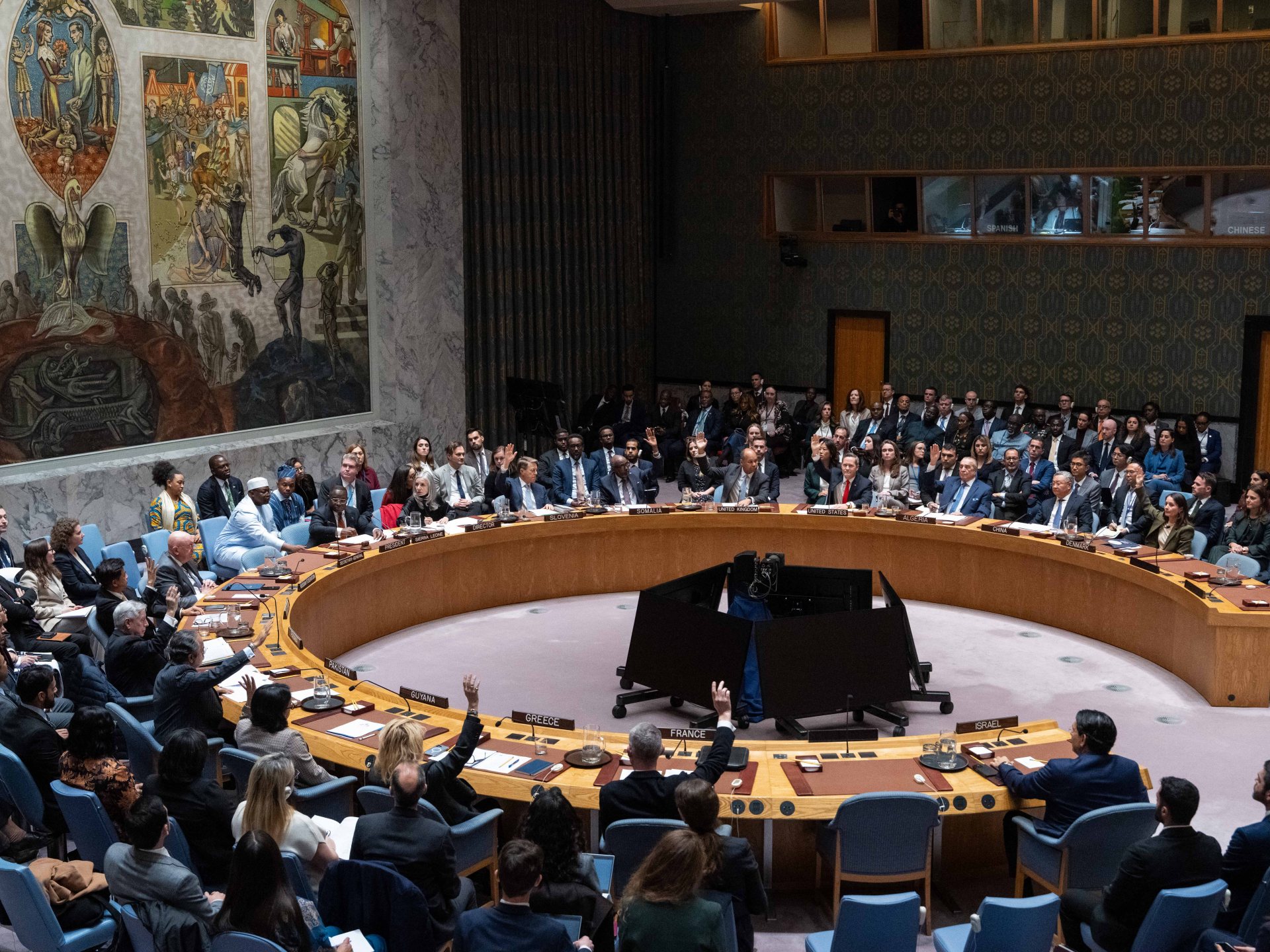
A UN mandate is not a formality; it is the moral and legal backbone of any credible international operation. It would ensure the force acts transparently, remains accountable to international law and prioritizes the security and well-being of civilians over political agendas. Without that legitimacy, the deployment would quickly lose the trust of the Palestinian people and the broader international community.
A UN-backed framework could define clear objectives — restoring order, supporting vetted Palestinian police, securing Gaza’s borders and facilitating humanitarian aid. These steps are essential not only for peace but also for rebuilding institutions capable of sustaining governance and dignity. The Palestinian Authority must be at the center of this process. Any effort that sidelines it risks deepening the internal divisions that have long hindered Palestinian unity. The goal must be to restore Palestinian governance, not to replace it.