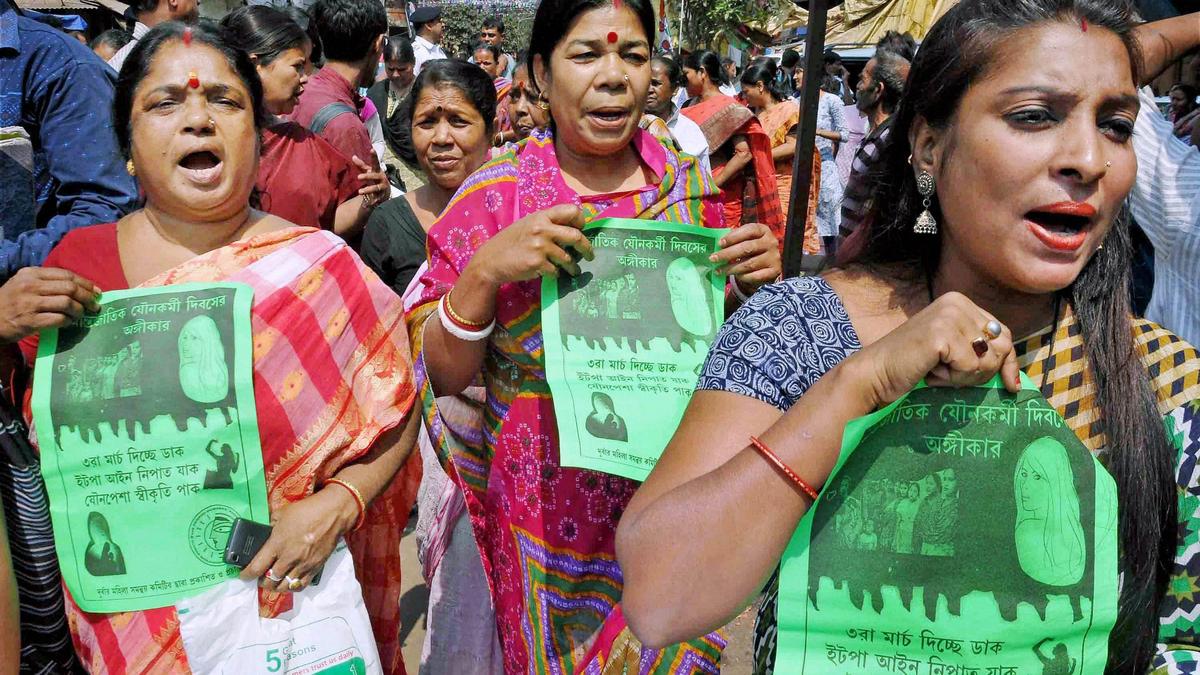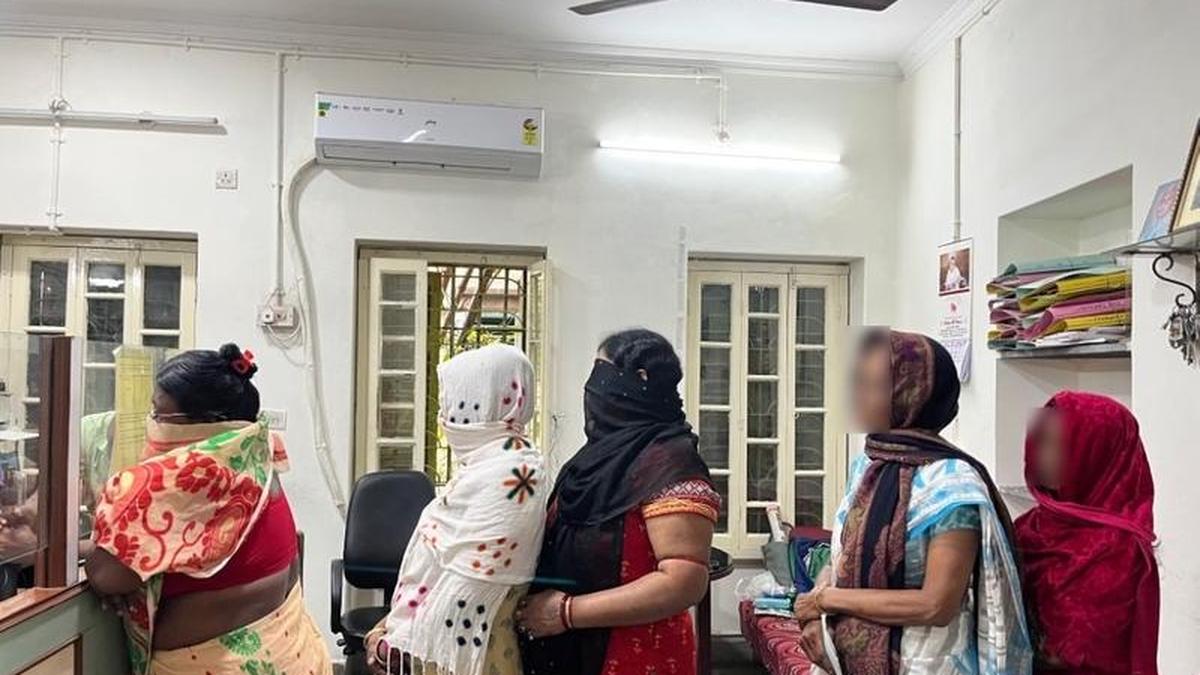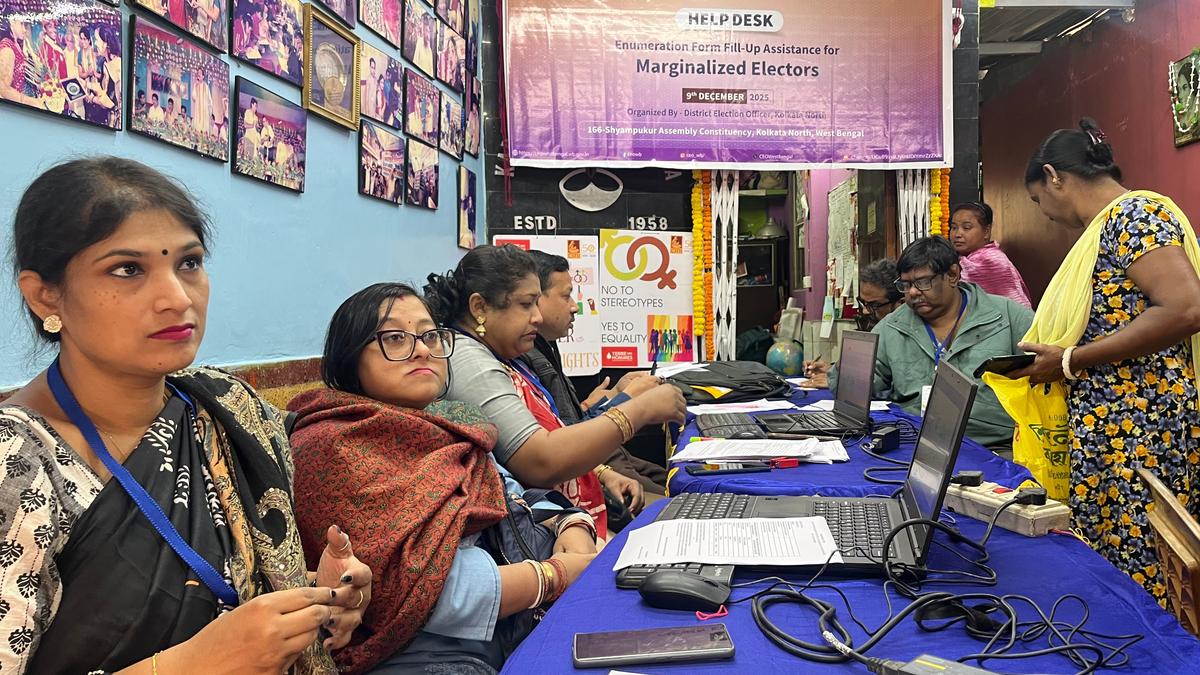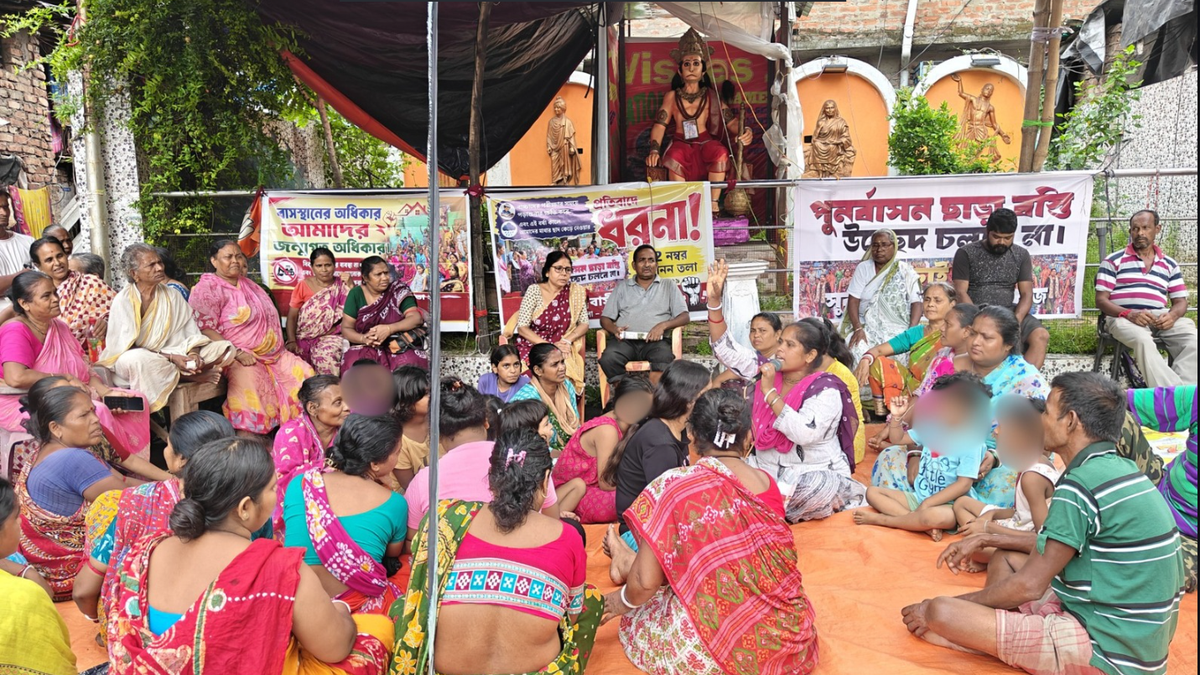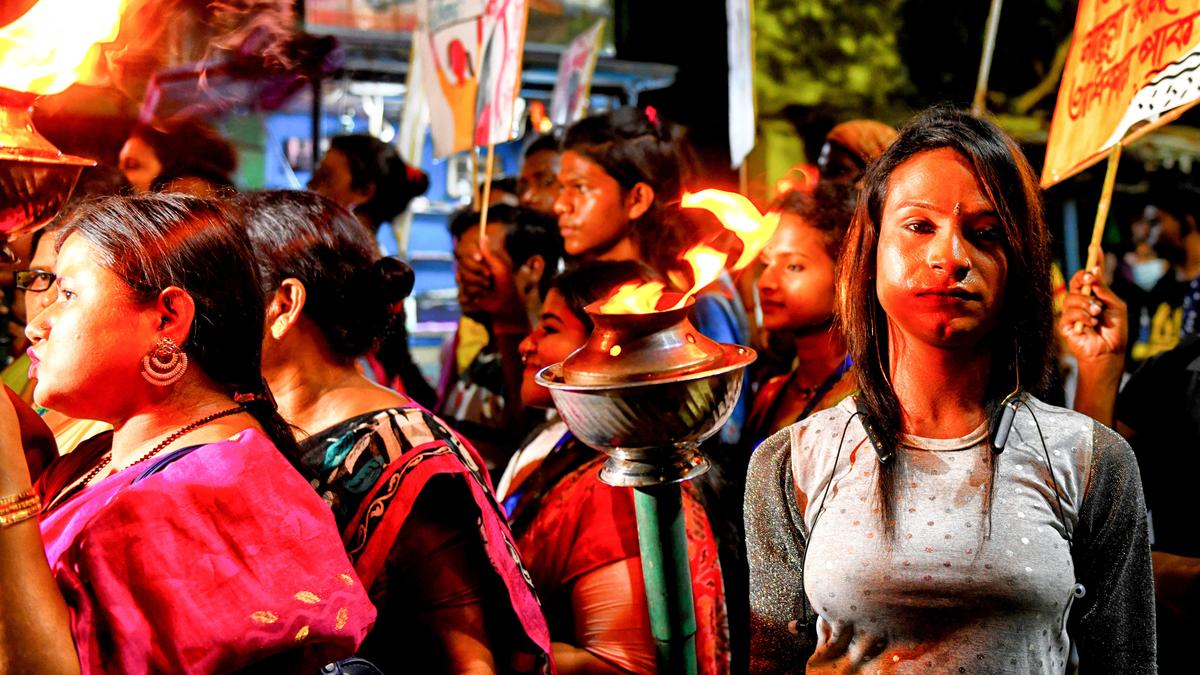
“Only rights can stop the wrong,” reads a poster inside the community centre at the Durbar Mahila Samanwaya Committee (DMSC) office in Sonagachi, Kolkata, West Bengal’s capital. The poster dates back to 2001; it still carries the weight of an unfinished fight in the red-light area. Durbar Mahila Samanway Committee (DMSC), an organisation working for the rights of sex workers, celebrated 30 years of existence on July 15.
DMSC began distributing condoms in 1992 to combat the HIV/AIDS epidemic. Its formation was based on a consensual HIV-AIDS survey by Dr. Samarjit Jana, who was commissioned by the World Health Organisation. At the time, high-risk populations were identified and coerced into testing; Dr. Jana asked for the women’s permission. Over time, DMSC, which includes transgender people, has emerged as a sex workers’ rights organisation, refusing to let people not from their profession speak their truth.
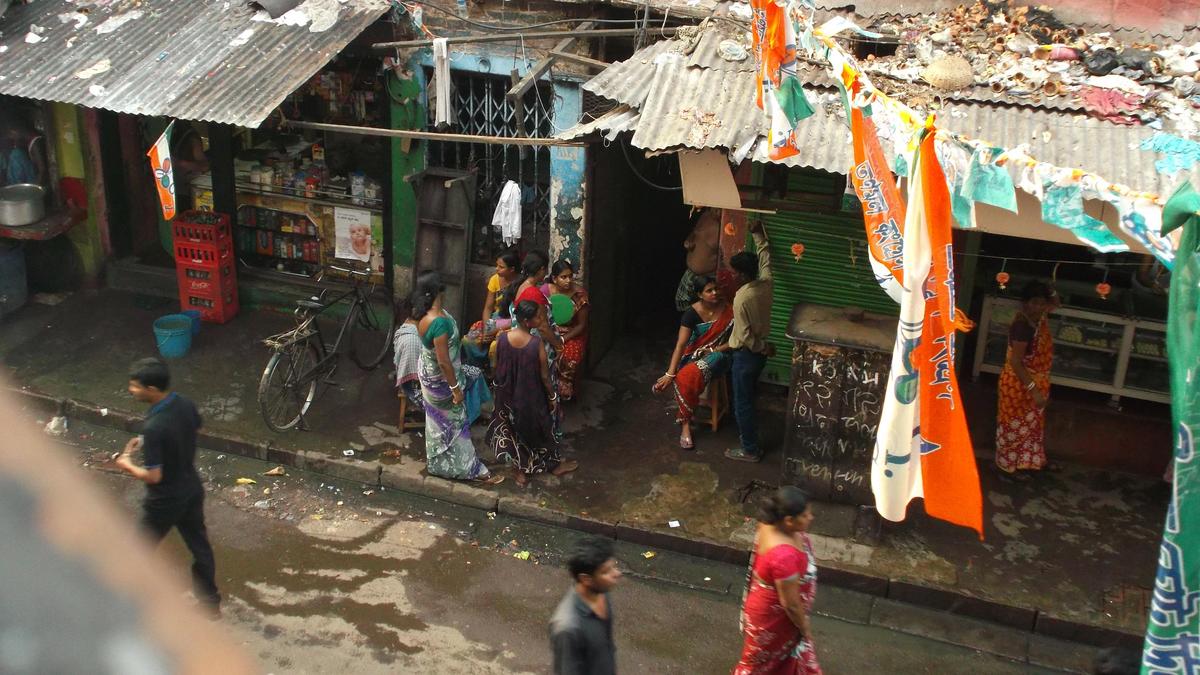
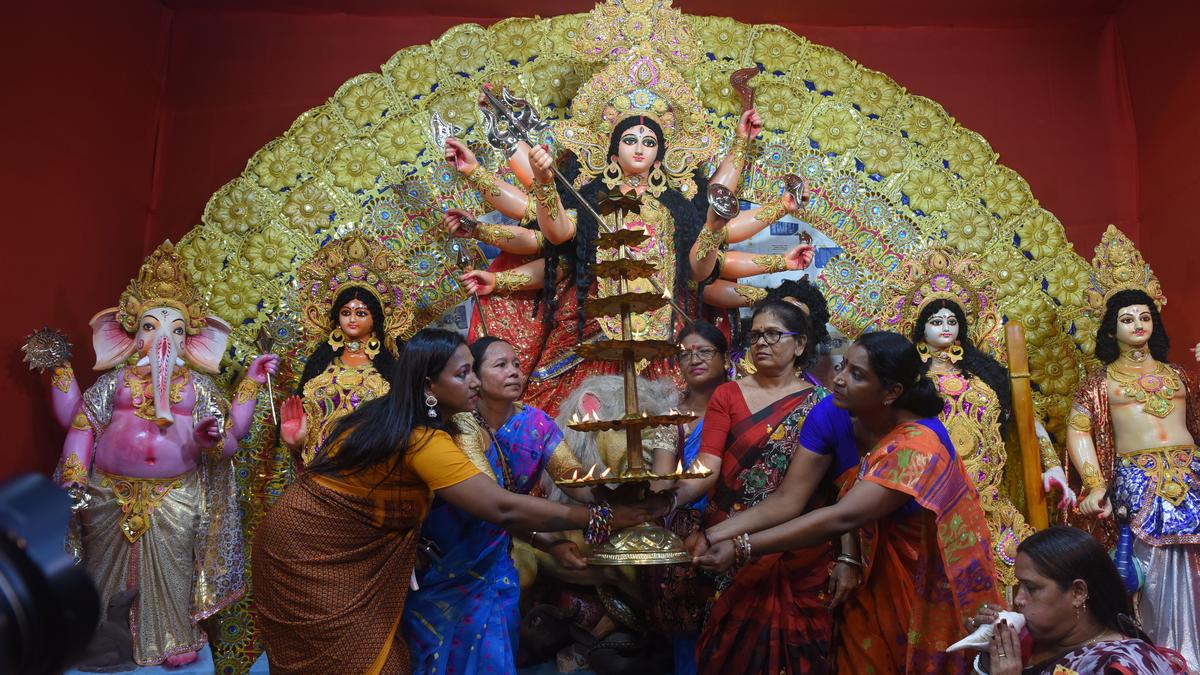
Sonagachi, which translates to golden tree — from the amount of money men spent in these north Kolkata lanes — has no signboard. The area and its people still bear the load of stigma. Historically, sculptors have taken soil from Sonagachi to make the Durga idols but the sex workers are not allowed into regular pandals.