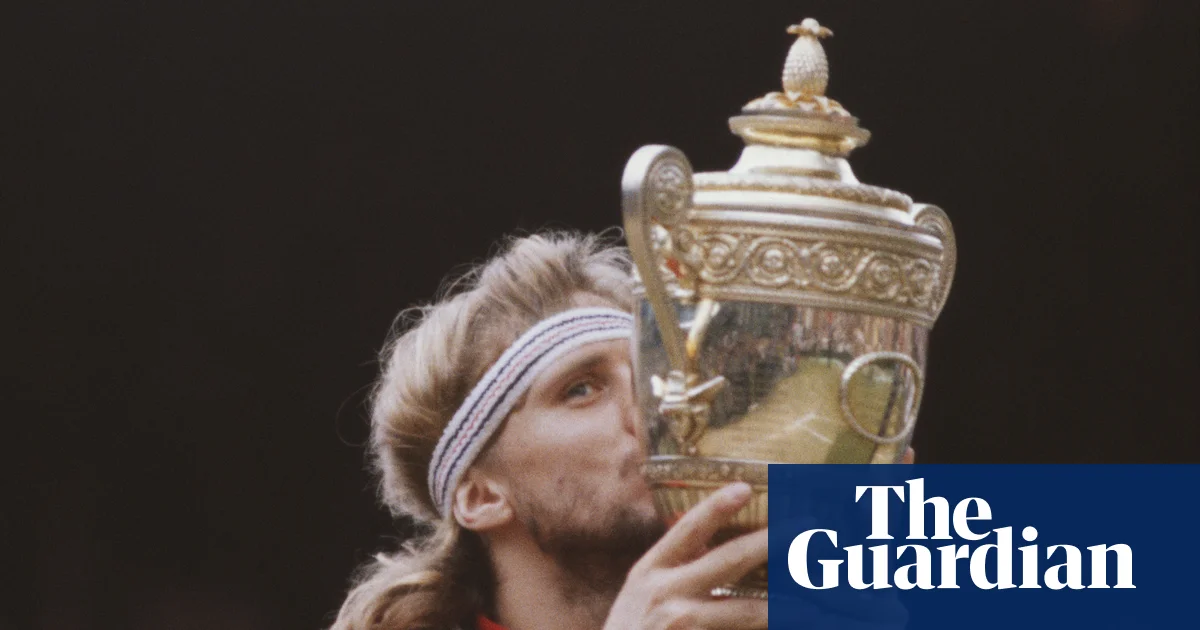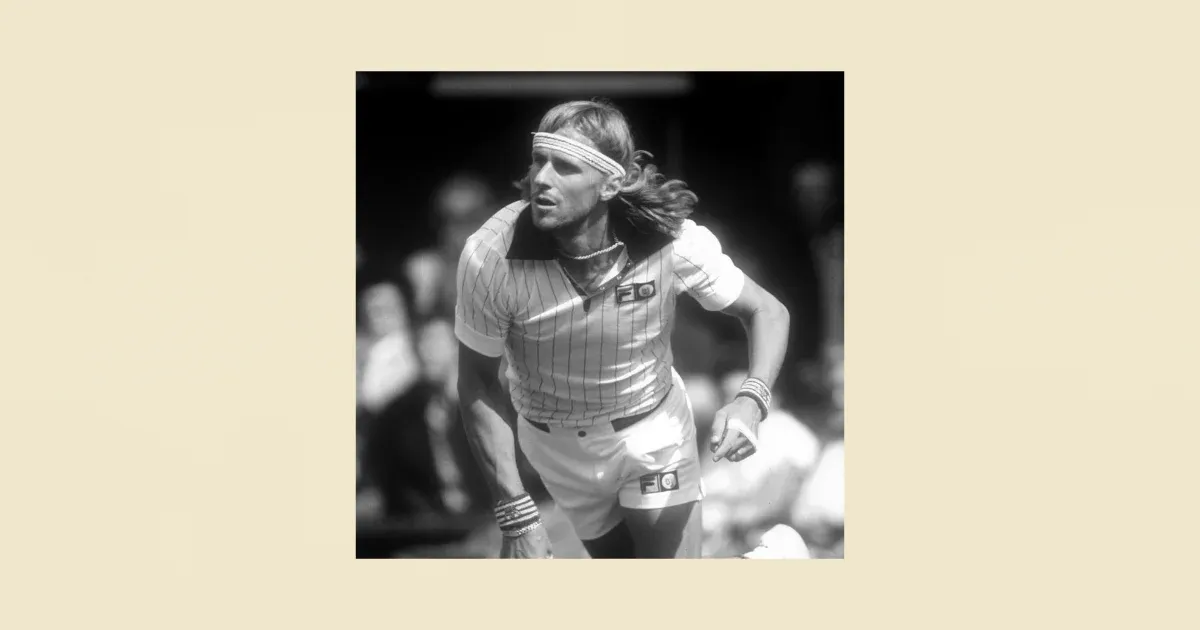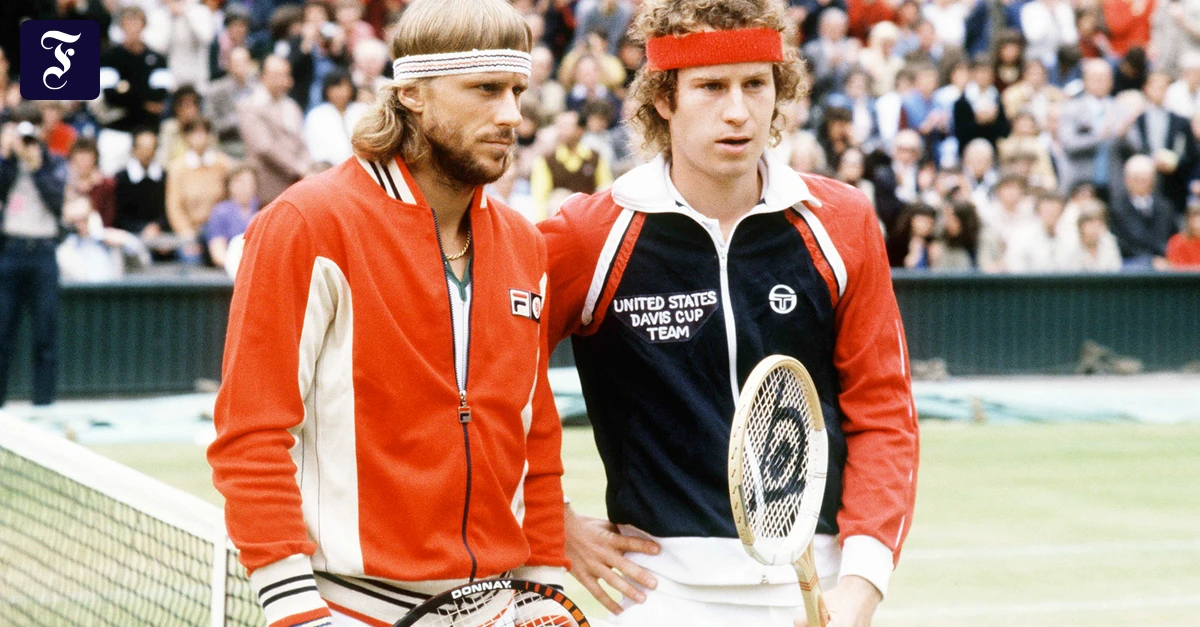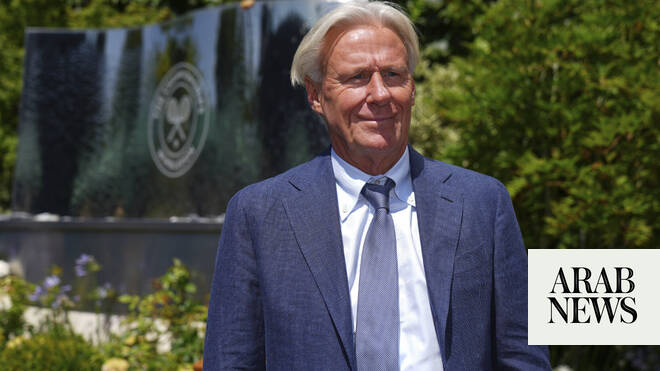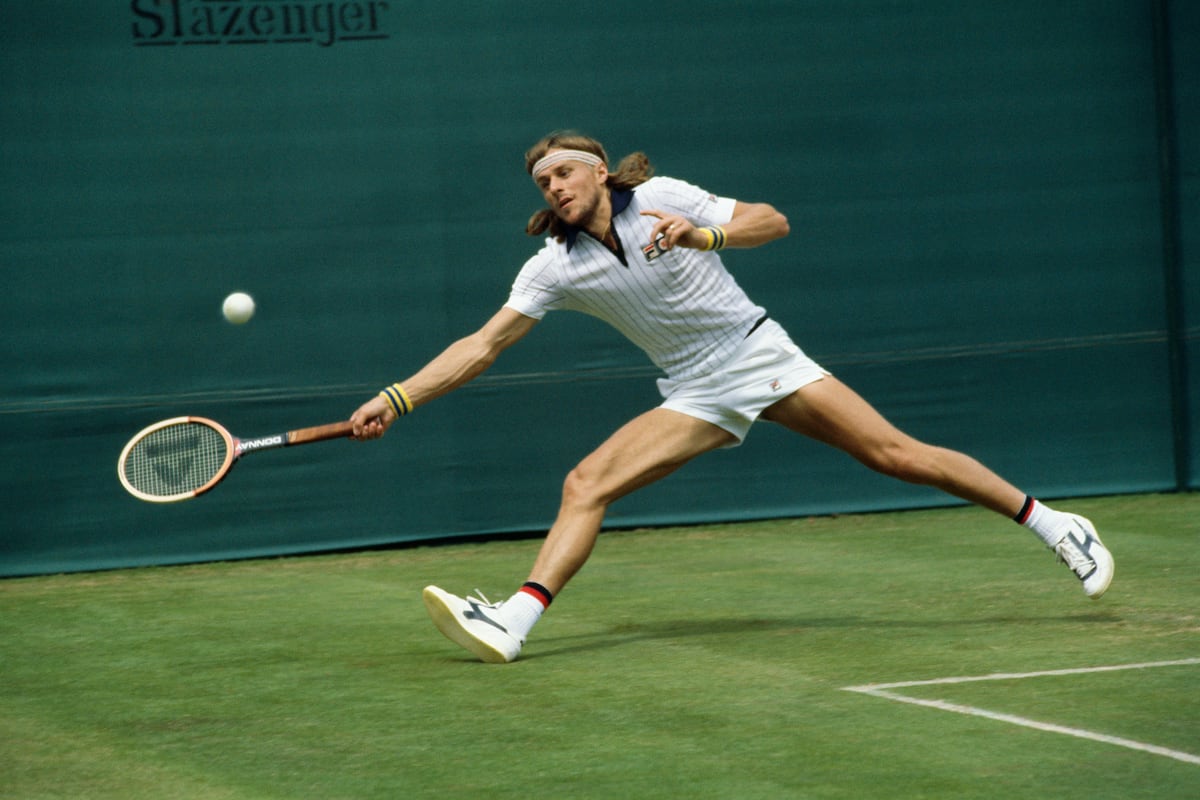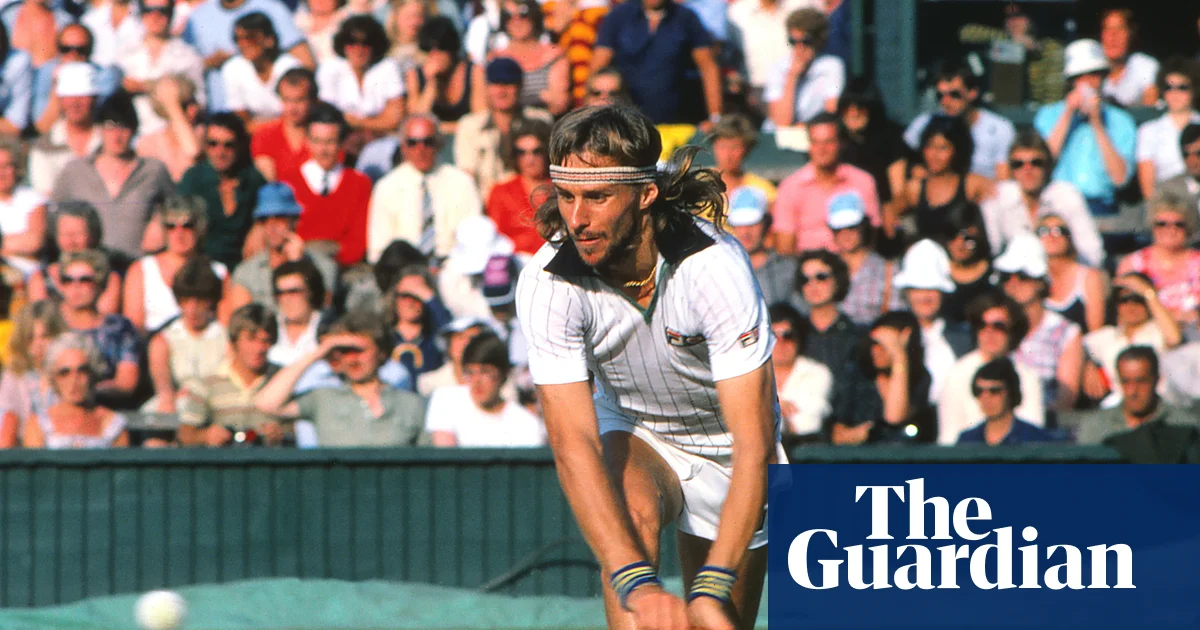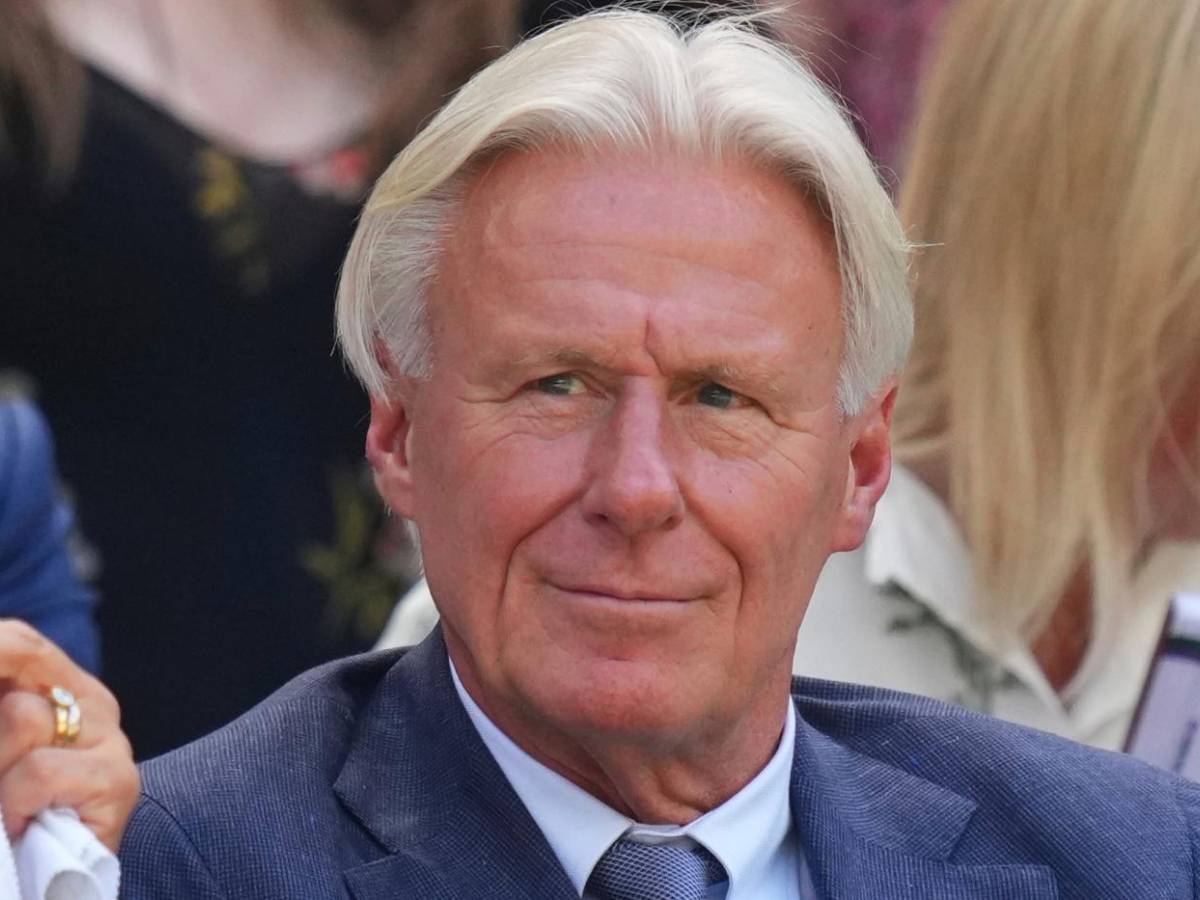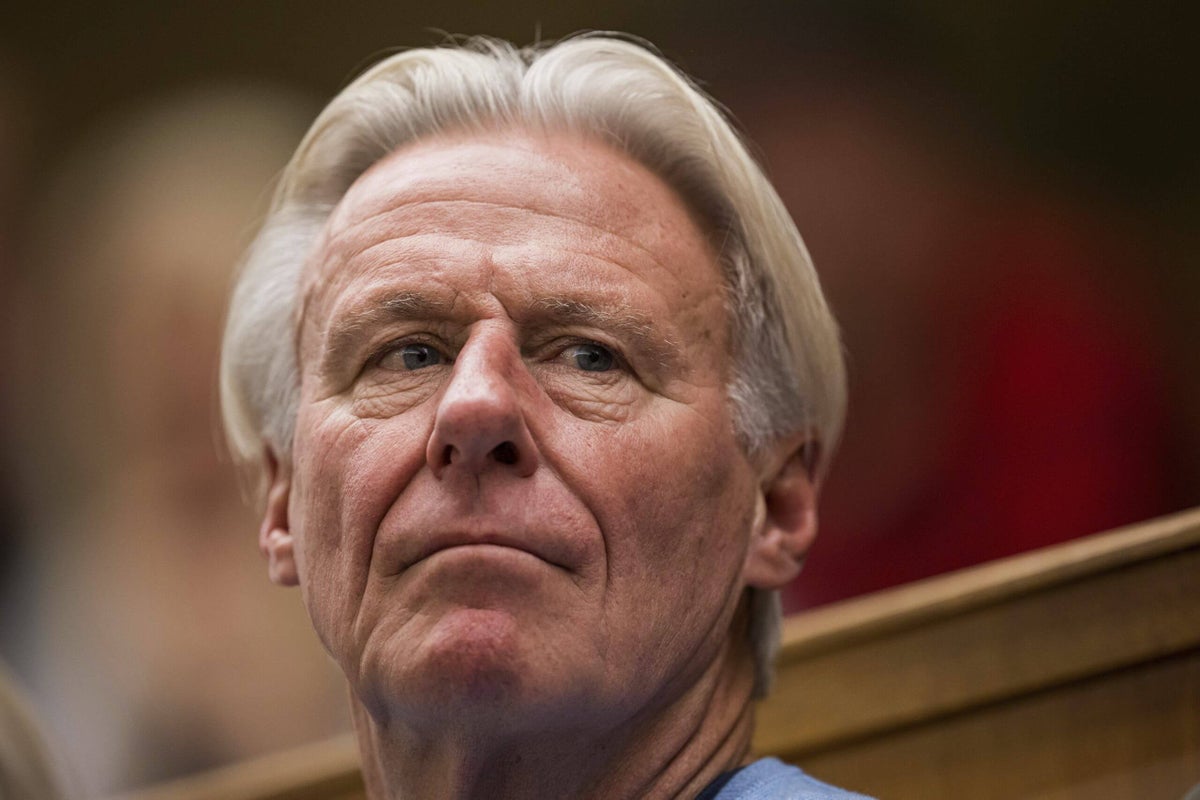
Björn Borg is part of tennis folklore. He won 11 Grand Slam titles — six French Opens and five Wimbledons — and transformed the sport in the 1970s and 1980s with his style on and off the court. With John McEnroe, he formed one of the greatest rivalries in tennis history, the Swedish “Ice Borg” to the American’s fire, before retiring burnt-out in his mid-20s, despite McEnroe’s pleas that he continue.So what then happened to a player who, by his own admission, has always been a closed book? Ahead of turning 70 next year, Borg wants to tell his story. “I had a big backpack on my back. I wanted to throw that away,” he said in a video interview last month, ahead of the release of his autobiography, “Heartbeats,” on September 18 in the UK and September 23 in the U.S.Borg opens up on his relationship with his parents, various partners and his children, as well as his partying days centred on the legendary New York nightclub, Studio 54. As reported by The Athletic earlier this month, he reveals that he has been living with a prostate cancer diagnosis, and that a reliance on drugs, pills and alcohol in the years after he quit tennis brought him to his lowest ebbs, including two near-death experiences in the 1980s and 1990s.“I was lost in this world,” Borg said of the period after he officially left the sport in January 1983. “I didn’t have any help. I didn’t have a team or agents to push me in the right way. I did everything by myself, I didn’t really have any help during that time and it’s very tough to fix yourself.”Borg’s unflappability and success on the court made it seem that little bothered him. He was impossibly cool, with his good looks and fashionable Fila kit, an aesthetic that made him one of sport’s first true global superstars.But his fame, attendant hysteria, and a sport which wasn’t really ready for its transformation from “being a classic sport that bordered on being a bit stiff and boring to becoming incredibly popular, with us tennis players transforming into heroes and teen idols” weighed on him more than he then let on.“I never express my feelings. You could see myself when I was playing tennis. I didn’t open my mouth,” he said.“I’m a Gemini, I am two people. If one sleeps, the other one goes out. And this devil on my shoulder, he tried to put me down so many times.”Borg was generally able to keep the devil on his shoulder quiet during his playing career. He was one of the first players to really worry about diet and sleep, and claims to be the first to have a full-time coach (Lennart “Labbe” Bergelin, who died in 2008) traveling with him. Bergelin also gave Borg regular sports massages, which at the time was revolutionary — likewise the meditation and yoga Borg started in the early 1970s.Borg also used less conventional methods to get an edge, like working with a medium after a heartbreaking U.S. Open loss in 1979. In “Heartbeats,” Borg writes: “She told me the stars were never aligned for me at the U.S. Open, and that I’d never win there, and I never did. It was eerie how accurate she was. But I was hooked, and I kept working with her for the next three years.”During his reign at the top of the sport, which took in five straight Wimbledons between 1976 and 1980, Borg also needed a release from time to time, and lived a glamorous lifestyle during a golden age for tennis characters. McEnroe, Jimmy Connors, Ilie Năstase, and Vitas Gerulaitis were among the giants of the sport at the time, and while Borg’s relationship with McEnroe has been discussed ad nauseam, Gerulaitis is arguably more important to Borg’s story.The American was a constant source of support for Borg and opened doors to the celebrity world that centered on New York’s Studio 54. Borg would stay at Gerulaitis’ pad in Long Island, where he had a court that matched the surface of the U.S. Open, and from there the city was their oyster.
Björn Borg’s life after tennis: ‘Heartbeats’ book documents near-death experiences and recovery
Borg, a private individual who found the afterglow of tennis fame hard to bear, has opened up about his life after the sport.
1,882 words~9 min read