For months, Wall Street commentators have fretted that the artificial intelligence boom looks like a bubble, with capital spending – which some analysts estimate could reach $3 trillion by 2028 – fattening a few mega-cap firms, while lower-income workers suffer from a slack labor market.
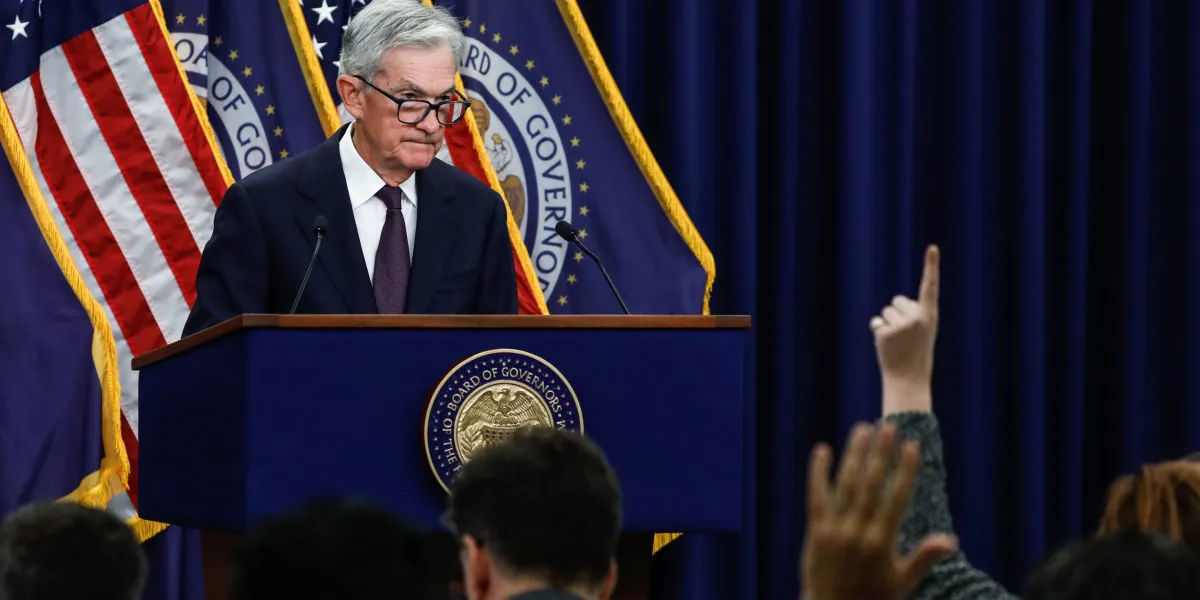
On Wednesday, they got validation from an unlikely source: the chair of the Federal Reserve.
Jerome Powell said the U.S. is seeing “unusually large amounts of economic activity through the AI buildout,” a rare acknowledgement from the central bank that the surge is not only outsized, but also skewed toward the wealthy.
That imbalance extends beyond markets. Roughly 70% of U.S. economic growth comes from consumer spending, yet most households live paycheck to paycheck. That demand picture has taken on a shape that analysts call K-shaped: while many families cut back on essentials, wealthier households continue to spend on travel, tech, and luxury goods—and they continued to do so in August. For now, the inflation recovery depends heavily on this dynamic remaining in fragile stasis. It’s a fix that works well until it doesn’t, if it could be described as working at all.“[Spending] may well be skewed toward higher-earning consumers,” Powell told reporters after the Fed’s latest policy meeting. “There’s a lot of anecdotal evidence to suggest that.”