G
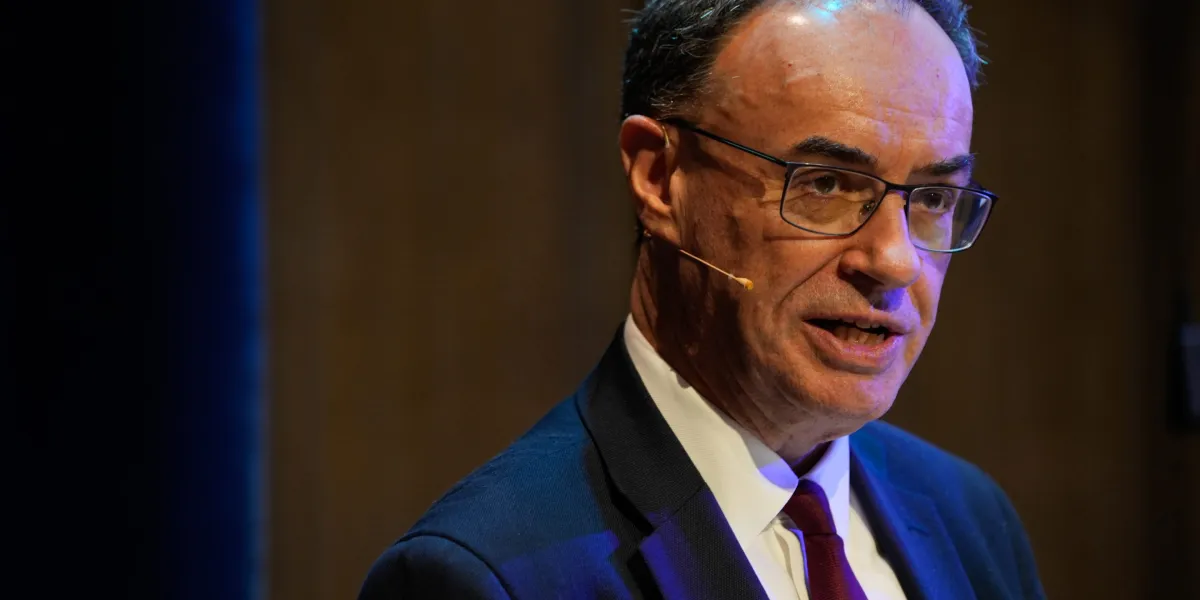
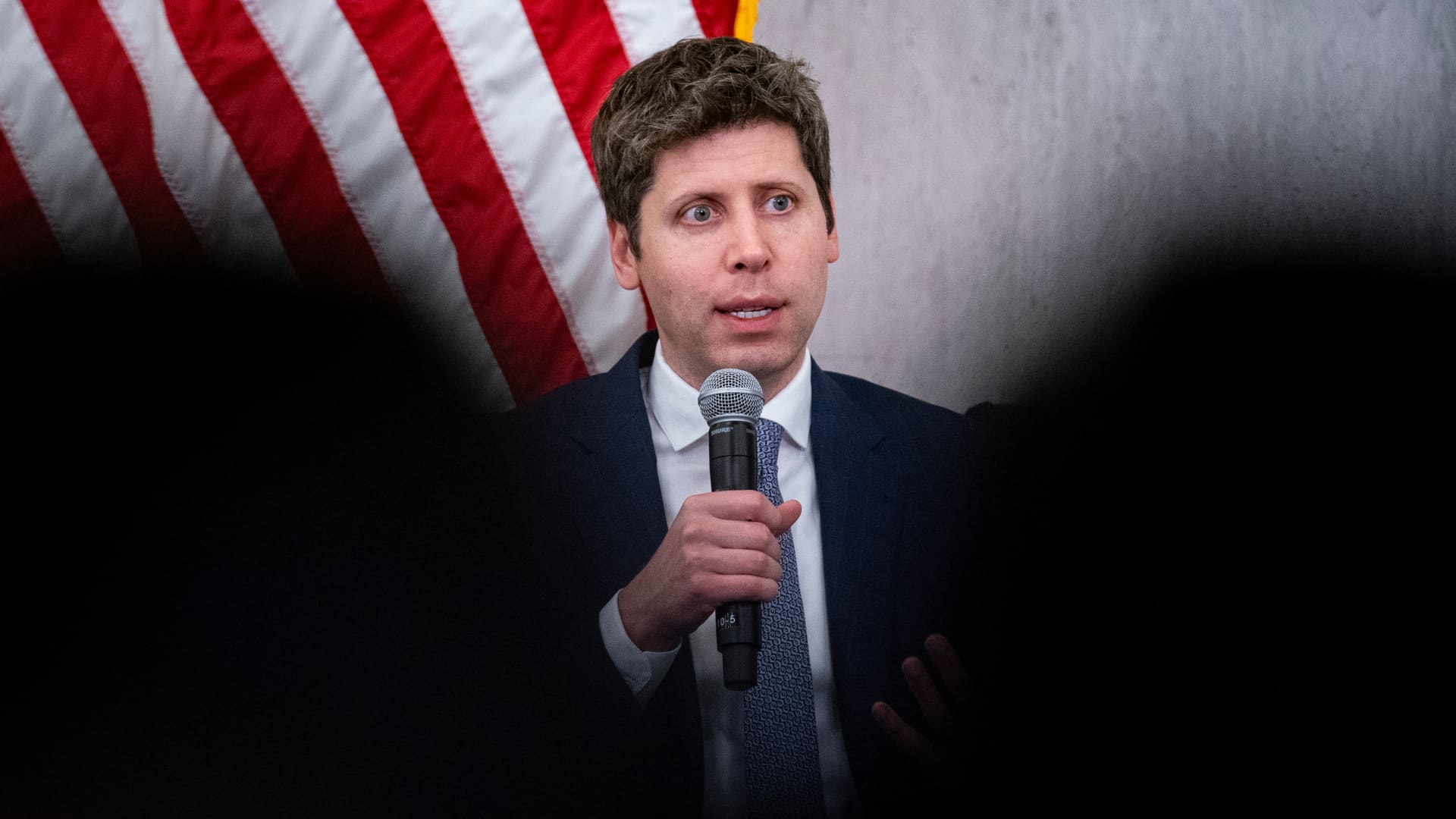
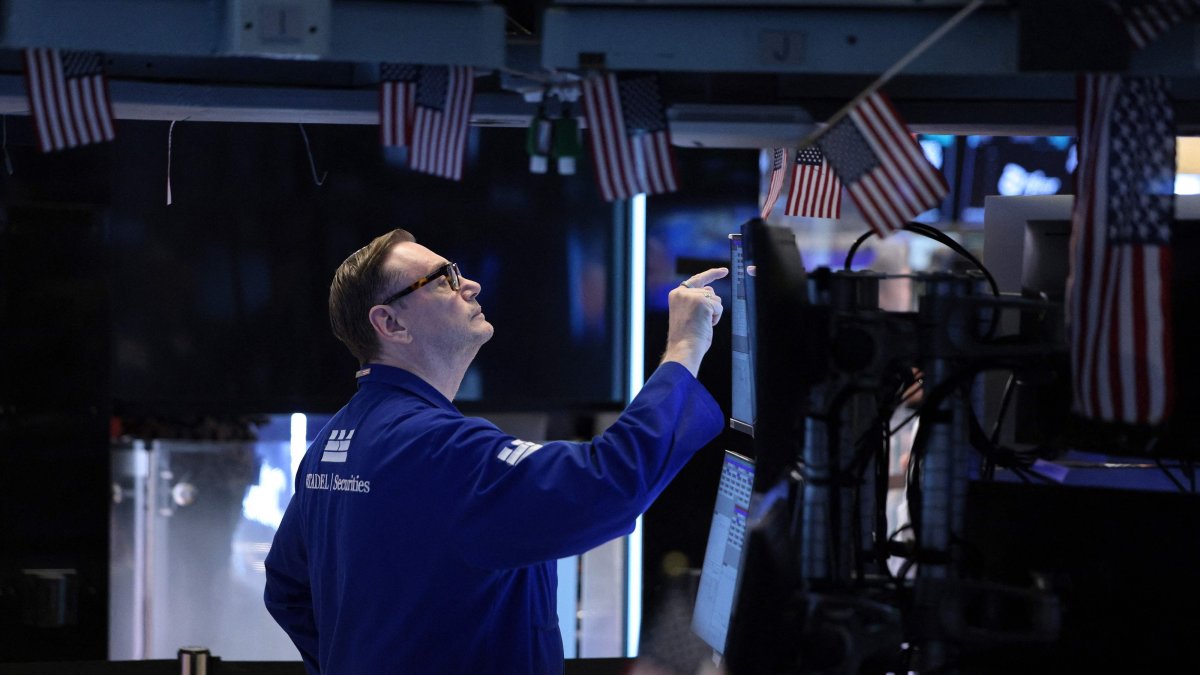
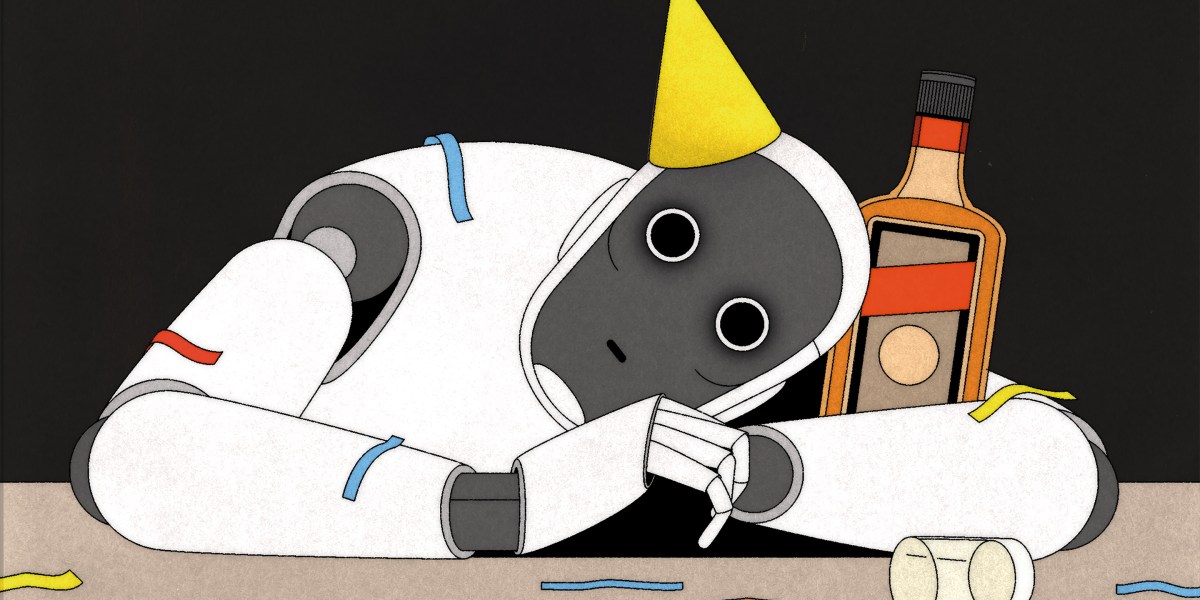
old prices soaring, Bitcoin plunging, new losses on the balance sheets of US regional banks: signs of looming financial turbulence have been multiplying. Among them, the frenzy surrounding artificial intelligence stocks is raising more and more questions, even among its main players, from Jeff Bezos (founder of Amazon) to Sam Altman (CEO of OpenAI), as well as prominent bankers like Jamie Dimon (CEO of JP Morgan), financiers such as Michael Burry (manager of Scion Asset Management) and major institutions including the International Monetary Fund (IMF) and the Bank of England. Is it a bubble or not? Is it serious or not? Is it comparable to the dot-com bubble of the early 2000s? And what if the AI bubble was just a bubble within a bubble?
The existence of a bubble is only confirmed when it bursts. The AI bubble has not yet popped. However, market crashes have always been preceded by the prevailing belief that This Time Is Different – the title of the book by Carmen Reinhart and Kenneth Rogoff that examines eight centuries of financial crises. Investors have been elated by the idea that a new industrial revolution is on the horizon, that a technological innovation of general significance will soon reshape the entire economy. This optimism has led to expectations of profits that might never materialize, yet bets are placed on them regardless.