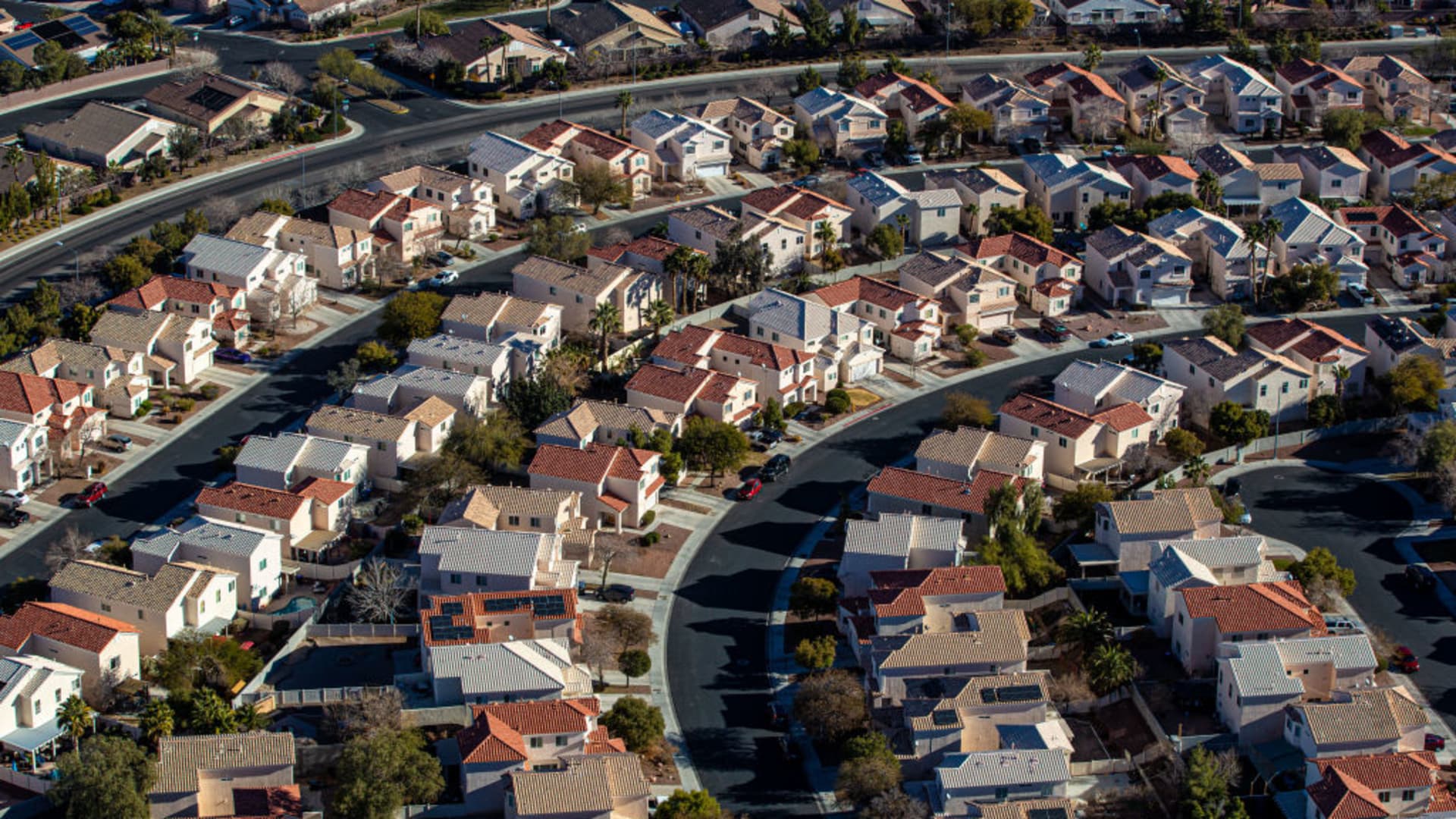
Owning a home is considered one of the best and most financially savvy a person can make—if you can afford it. After all, it’s the largest asset class in the largest financial market in the world, and the 30-year mortgage is a unique American invention that (theoretically) invites everyone into the American Dream of homeownership.
Buying a house allows people to build equity and wealth over time by making mortgage payments that reduce the loan principal and increase the owner’s stake in the home until, ideally, it’s owned outright. Typically, real estate appreciates, which adds to the homeowner’s wealth. In fact, owning a home during the past several years has been particularly lucrative as home prices spectactularly increased during the pandemic.
But since the Federal Reserve hiked interest rates aggressively in 2023, home-price appreciation has been either broadly flat or falling across the U.S., the average American homeowner lost approximately $9,200 in equity during the past year, according to data from information services company Cotality (formerly CoreLogic).
“Home equity growth has shifted from a period of explosive gains in the years surrounding 2022, into a plateau,” Leo Pond, a real-estate advisor with Four Seasons Sotheby’s International Realty, told Fortune. He explained the transition is driven by a combination of slowing price appreciation, elevated borrowing costs, and supply imbalances.