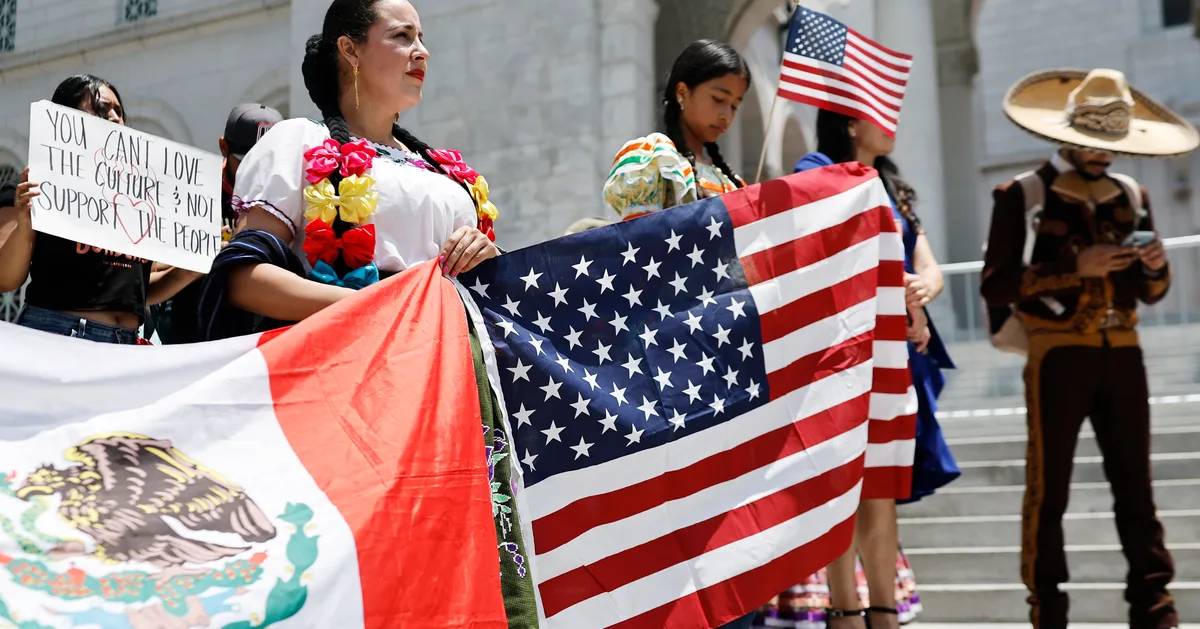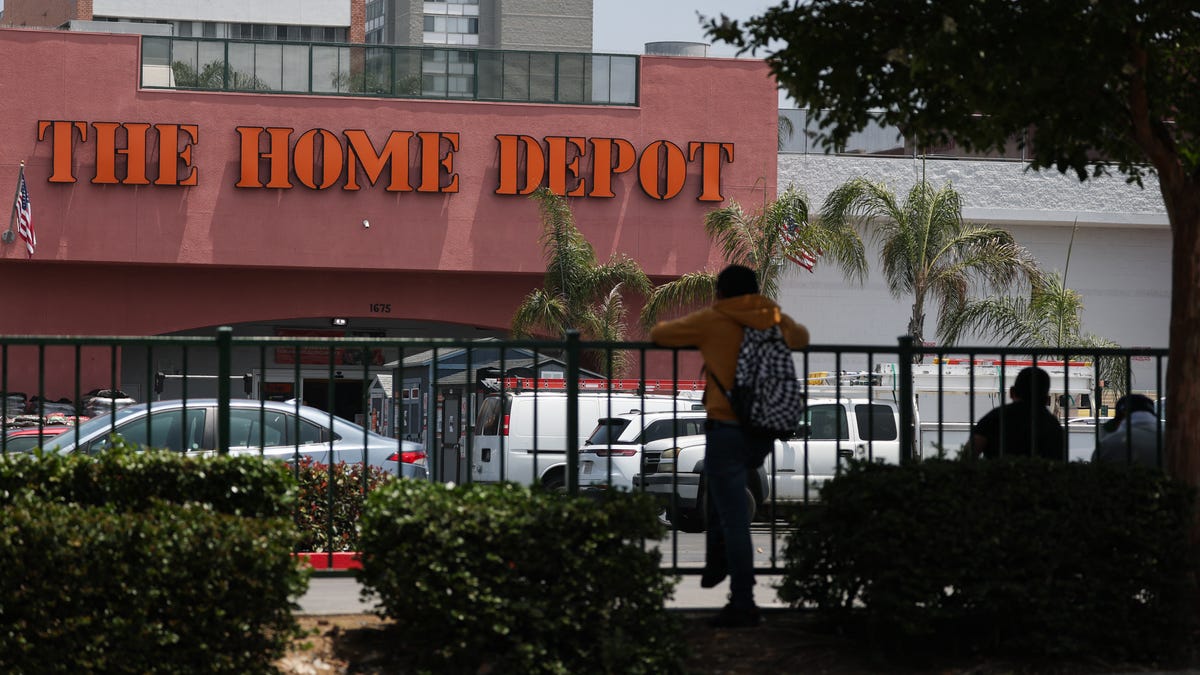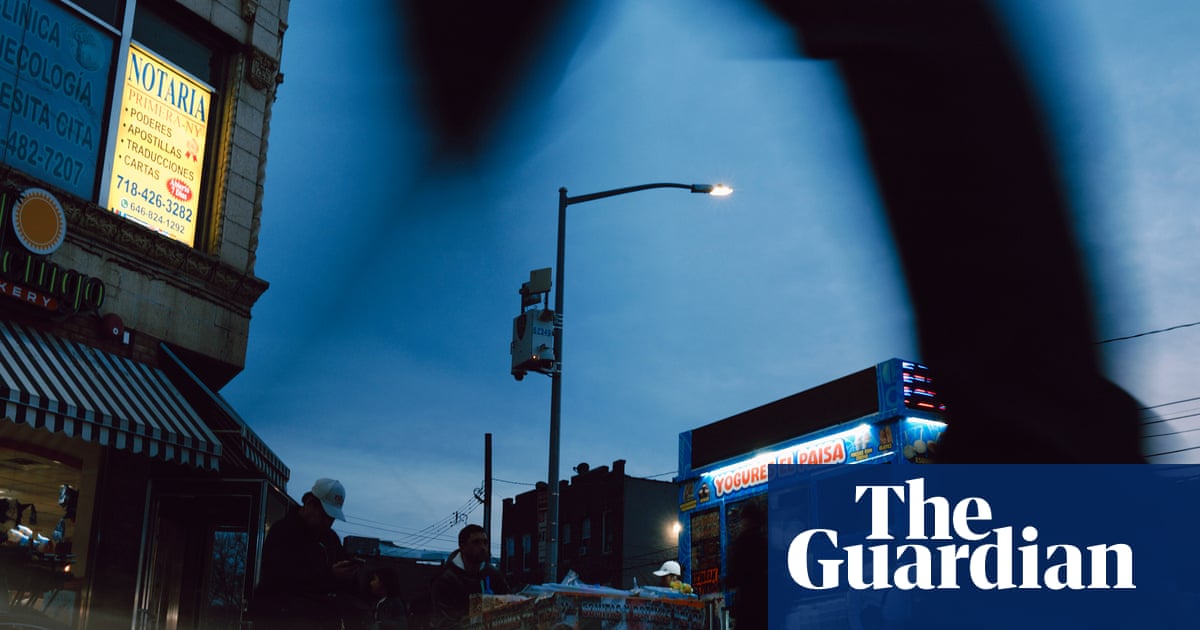
Because of Immigration and Customs Enforcement’s increased presence, Alex, a Northeast-based hospital researcher, has been staying home more.
Alex does not eat at restaurants or travel for fun. He prefers to walk 30 minutes to his work’s shuttle stop over driving his car or taking a bus on a road where an ICE agent might be.
“I look Latino,” said Alex, who is one of several people HuffPost agreed to identify by first name only for their safety and privacy. “I get very self-conscious when I’m outside in public. If I go to pick up something at the store, I get very anxious if I have to stand there waiting for too long.“
This September, after the United States Supreme Court ruled that immigration agents can use race as a factor when deciding who is a reasonably suspicious target in Los Angeles, Alex stopped going to the grocery store and started getting his food delivered.
Alex came to the U.S. from Mexico when he was 16 years old without documentation and became a permanent resident in 2023. Last year, Alex kept his green card at home in a safe, because it is hard and expensive to replace. But he now carries his green card with him at all times in his wallet in case he needs to show proof of his lawful status: “ICE strikes me as an organization that acts and then asks questions later,” he said.