Does a society truly become safer when part of its population learns to live in constant fear?
O
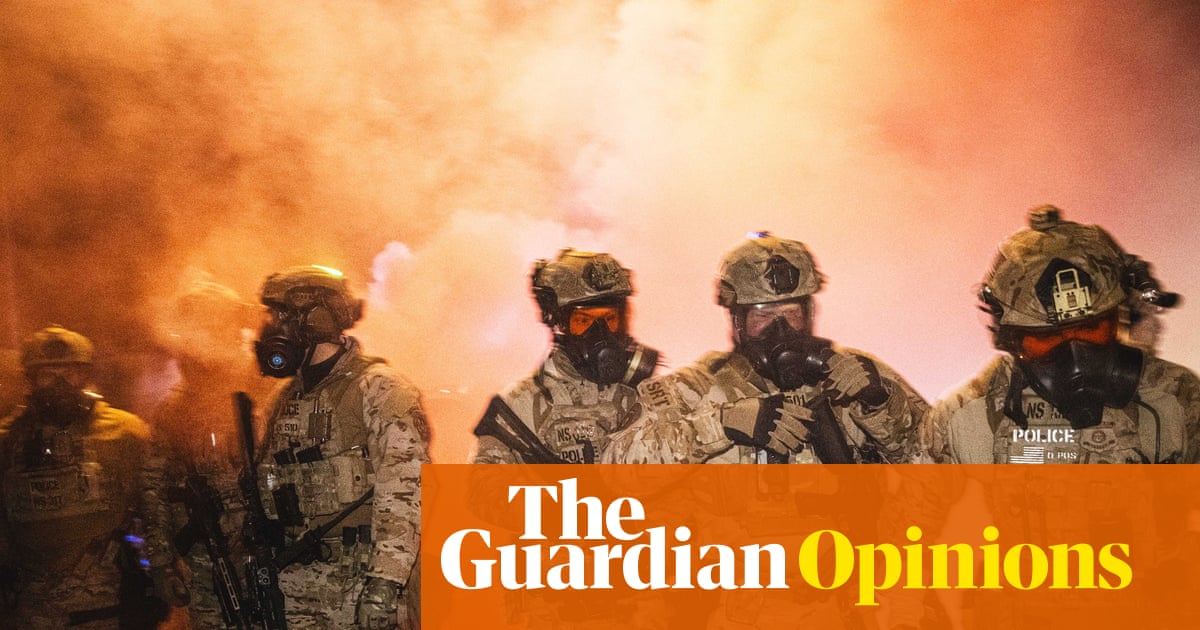
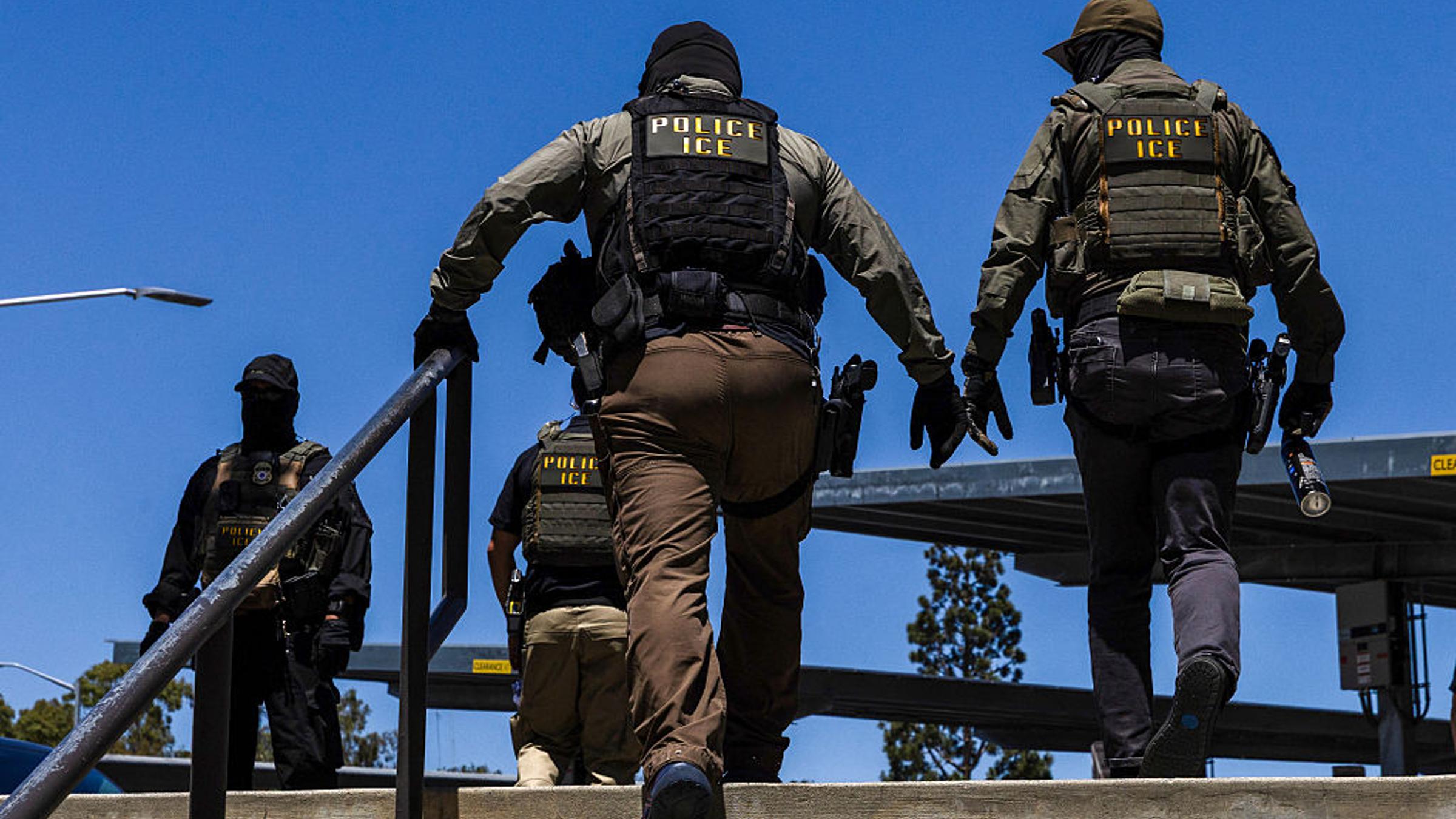
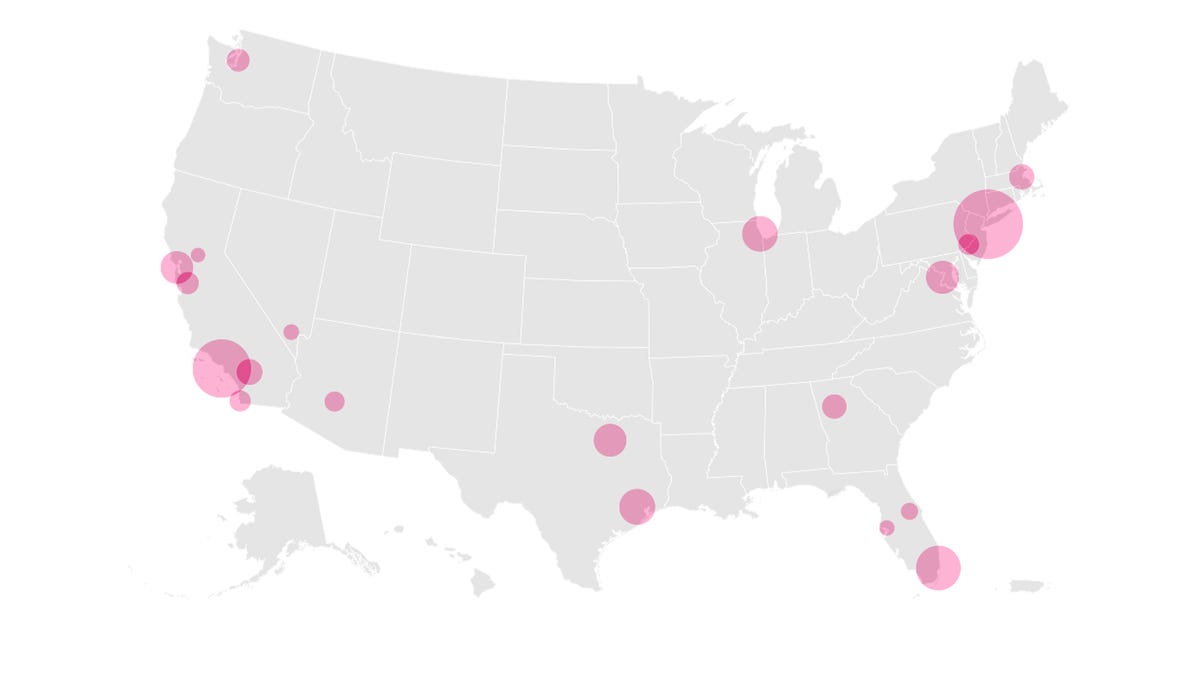
n 15 June 2025, the Trump administration issued an official statement directing US Immigration and Customs Enforcement (ICE) to begin what it described as “the largest mass deportation operation in American history”. Major cities such as Los Angeles, Chicago and New York were identified as primary targets. The stated goal was to keep communities “safe and free from illegal alien crime, conflict, and chaos”. Federal agents rapidly became a part of many residents’ everyday lives.
No stable state can protect its borders, public order and the legitimate interests of its citizens without immigration law and effective enforcement mechanisms.
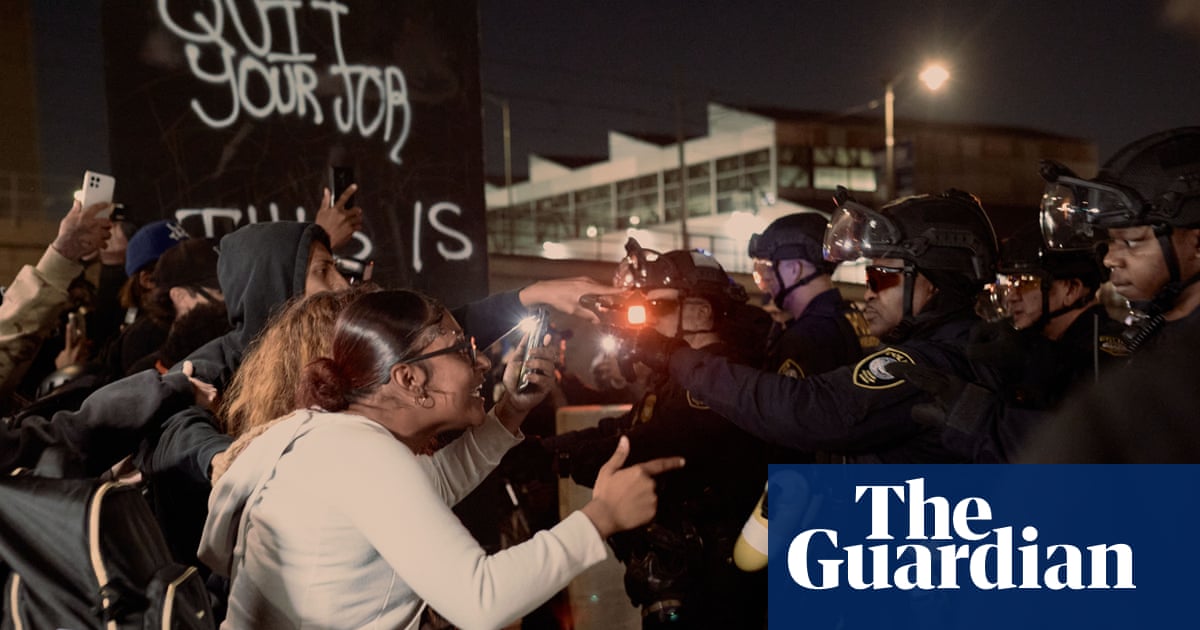
The question is not whether the state has the right to enforce the law. The question is how the manner of enforcement shapes everyday life, feelings of safety and social trust. Do all forms of enforcement necessarily produce security, or do some of them – unintentionally – turn social fear into a lasting condition?