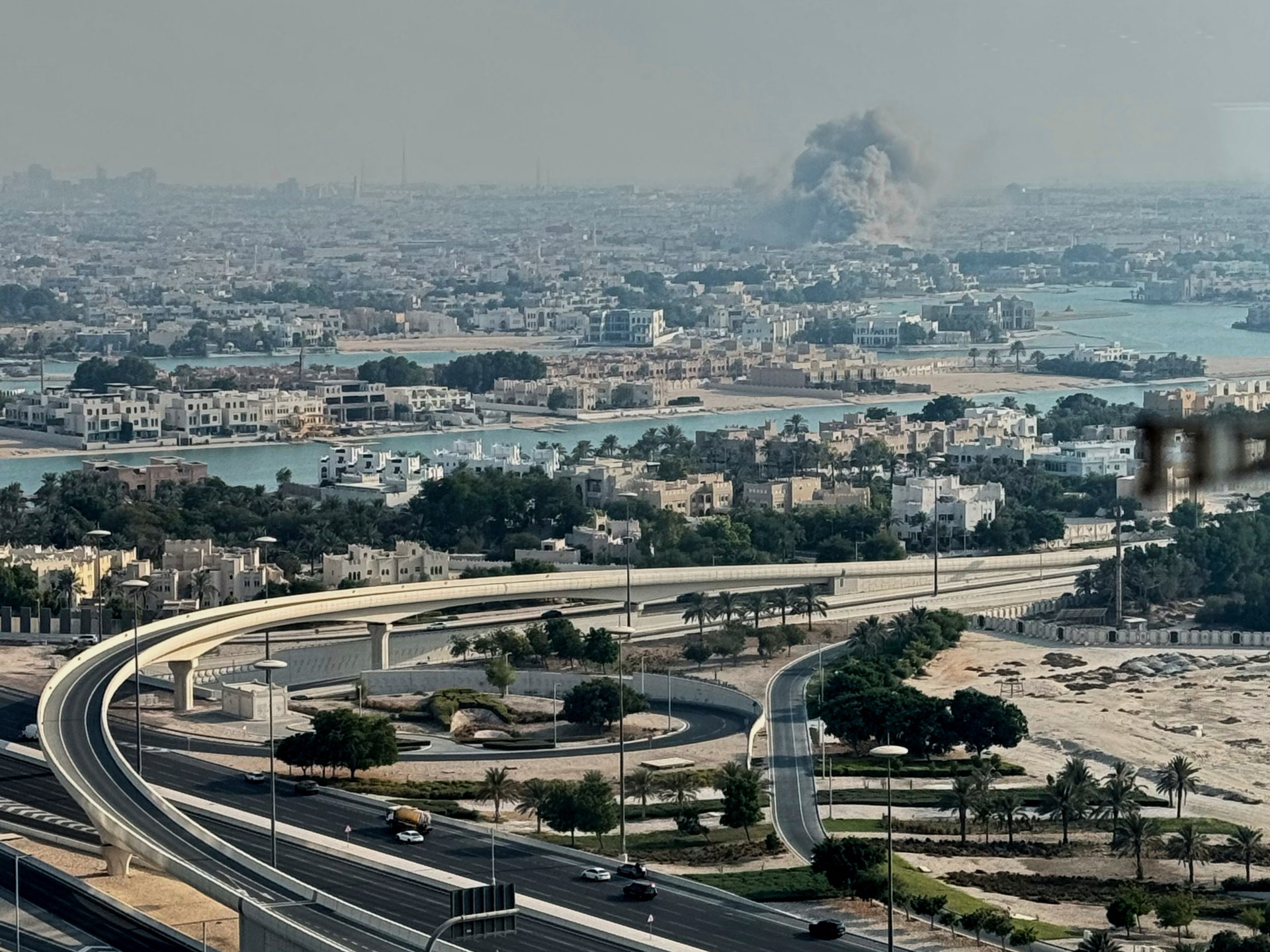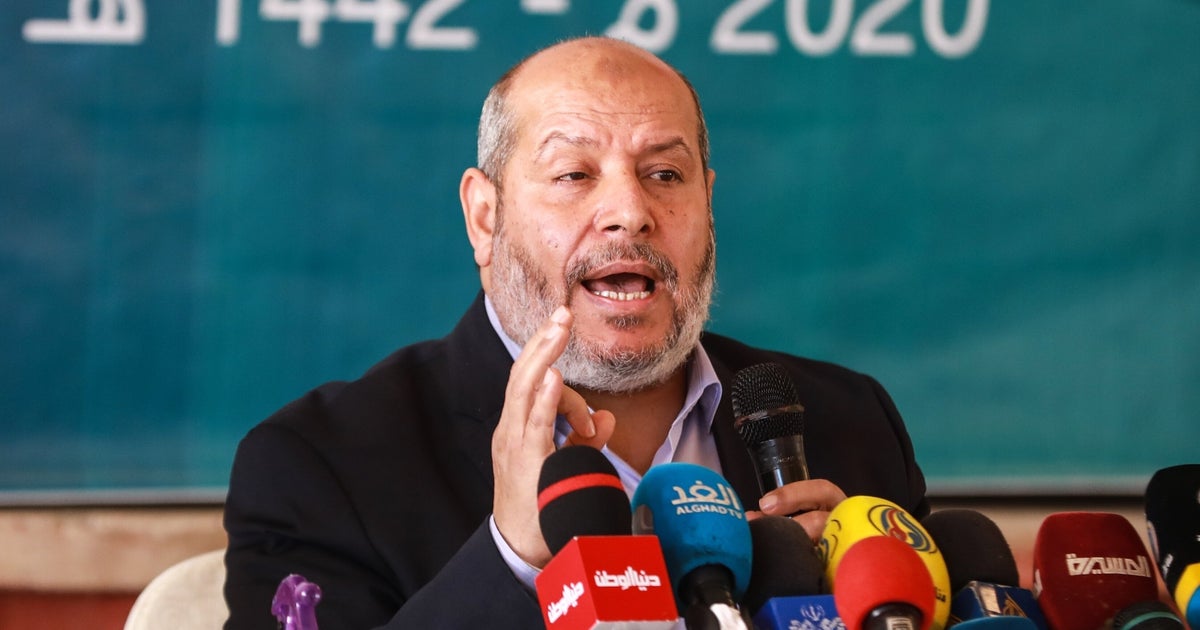
Ziad Majed is a political researcher specializing in international relations and the Middle East. He teaches at the American University of Paris and has published several books on Syria and Lebanon. His upcoming book, Le Proche-Orient, miroir du monde. Comprendre le basculement en cours ("The Middle East, Mirror of the World. Understanding the Ongoing Upheaval"), is set for publication in October. In an interview with Le Monde, he discusses his interpretation of the consequences of Israel's attack on Hamas leaders based in Qatar on Tuesday, September 9.
The Israeli bombing in Qatar targeting the exiled Hamas leadership has multiple consequences. What impact does it have on the war in Gaza?
The first consequence was to end the negotiations for a ceasefire and the release of hostages. All the more so since, during the ongoing round of negotiations, the talks centered on releasing all hostages, including those who had died, and a long-term ceasefire that could have opened the way for negotiations to end the war. Benjamin Netanyahu sabotaged all of that, knowing that the people targeted were Hamas negotiators.
Will this raid have consequences for the internal balance of power within Hamas, between those in Gaza and those in exile?