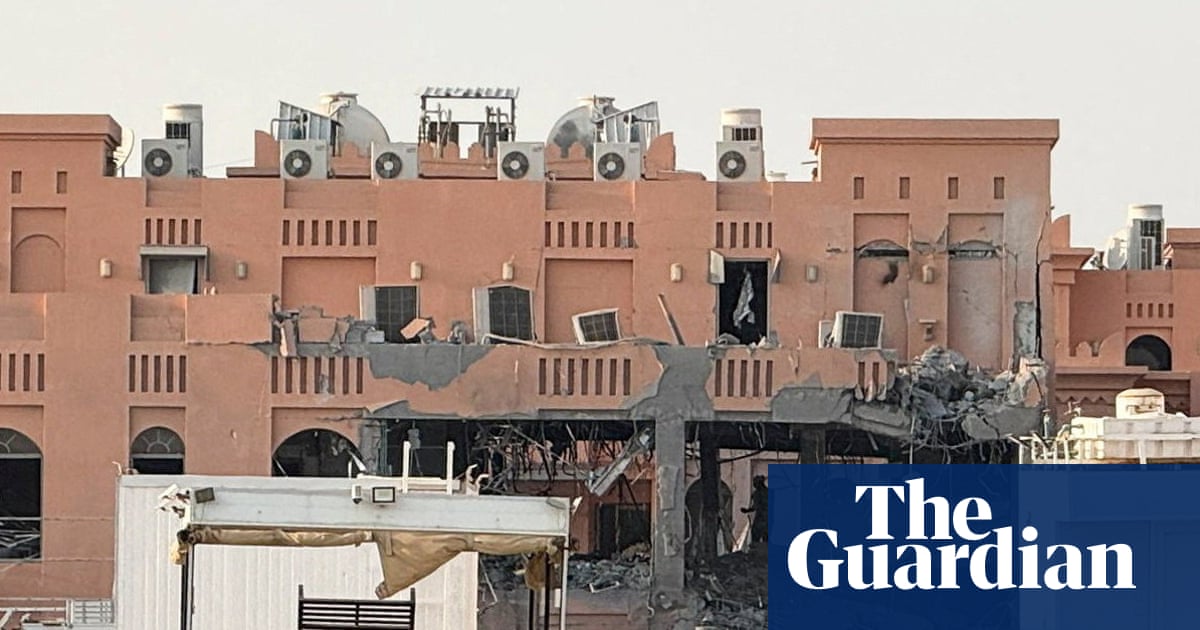
The attack in Doha upended a decades-old assumption – and left Arab leaders questioning how much they can still rely on Washington
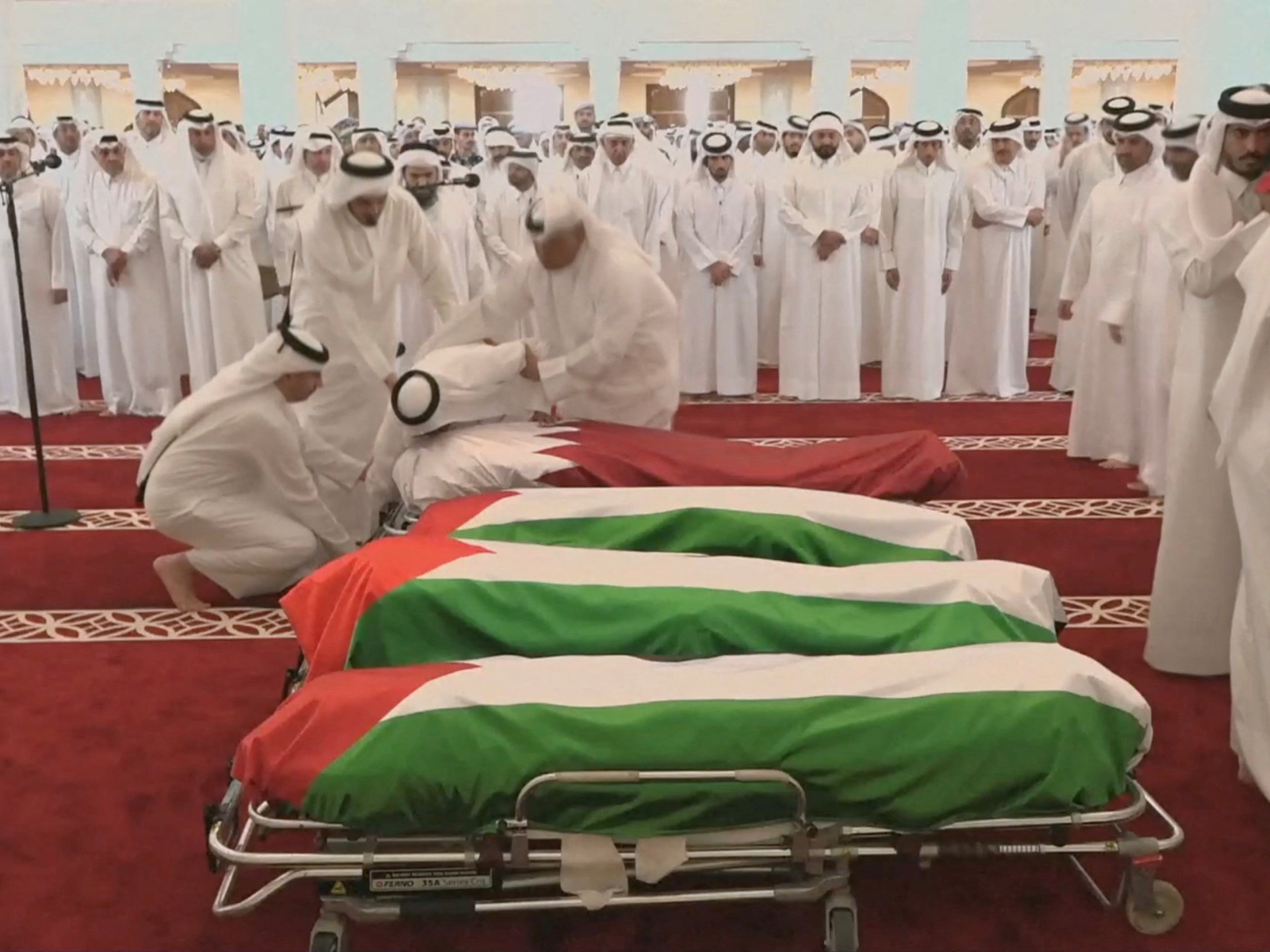
On Thursday, Qatar’s emir, Sheikh Tamim bin Hamad al-Thani, led a funeral at the state mosque. Flanked by officials in white thobes, he prayed over six caskets – one draped in a Qatari flag and five bearing Palestinian flags.
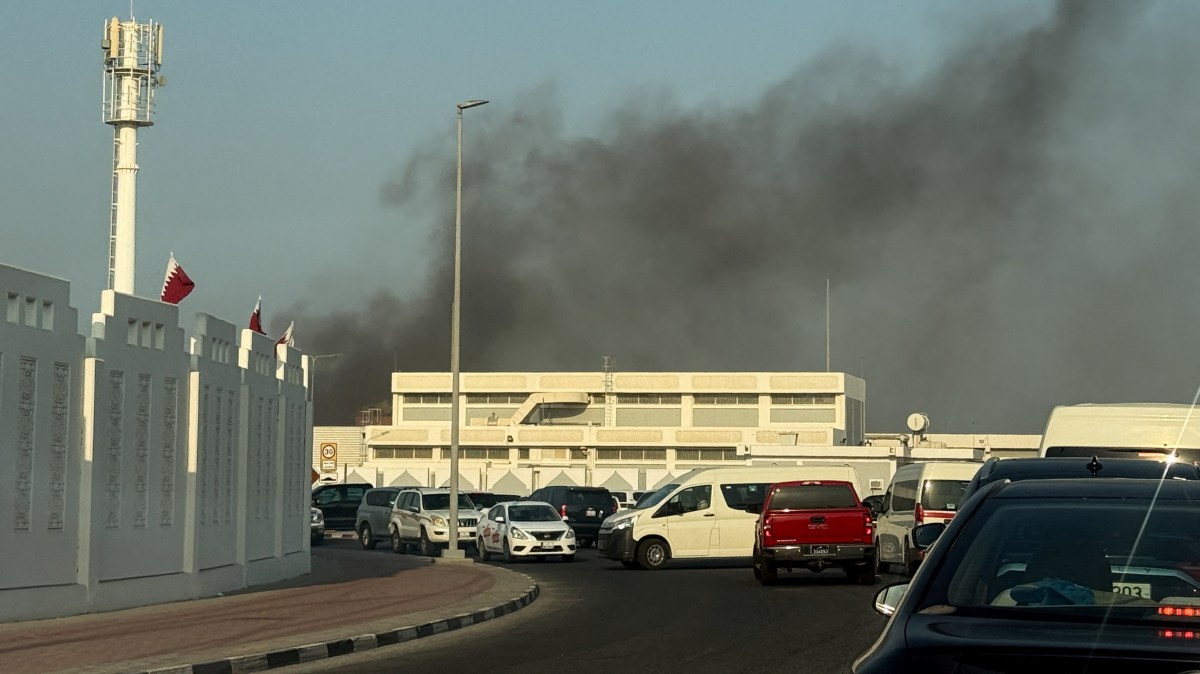
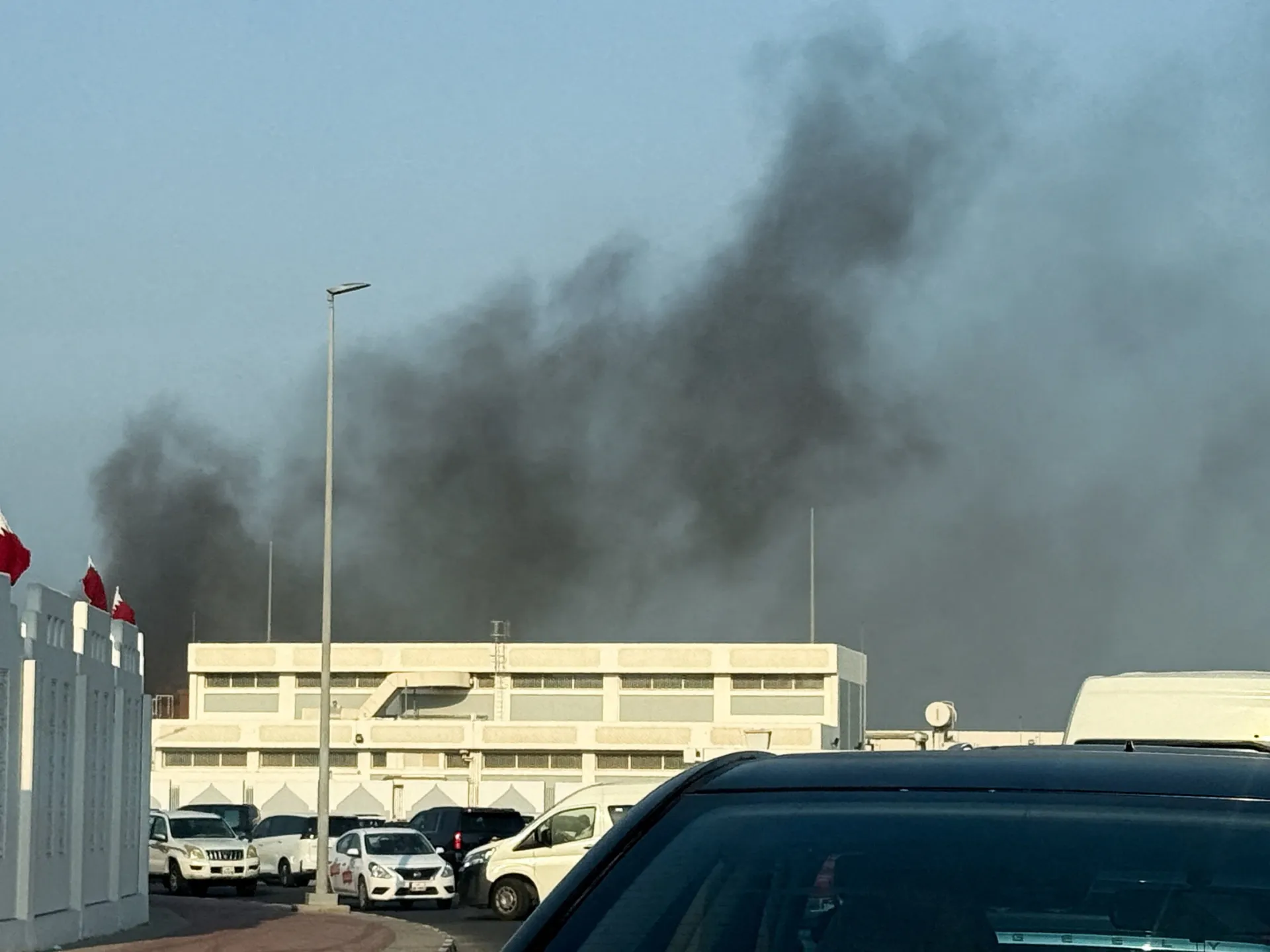
Israel’s strike on Hamas leaders in Doha on Tuesday, which also killed a Qatari officer, marked an unprecedented moment for the Gulf kingdom. The attack undercut the assumption that has underpinned Qatari foreign policy for three decades and reverberated across the Arab region: be useful to the United States, and it will protect you.
Qatar has been useful. It has facilitated peace talks between Israel and Hamas, did the same with the Taliban and the US during the war in Afghanistan, and hosts the Al Udeid air base, the largest American military base in the Middle East.
For decades the arrangement has held. The US supplied arms, parked its aircraft carrier in the Gulf and provided political cover internationally. The support has helped spare Gulf nations from the unrest that has consumed much of the Middle East, despite the rivalry with Iran.