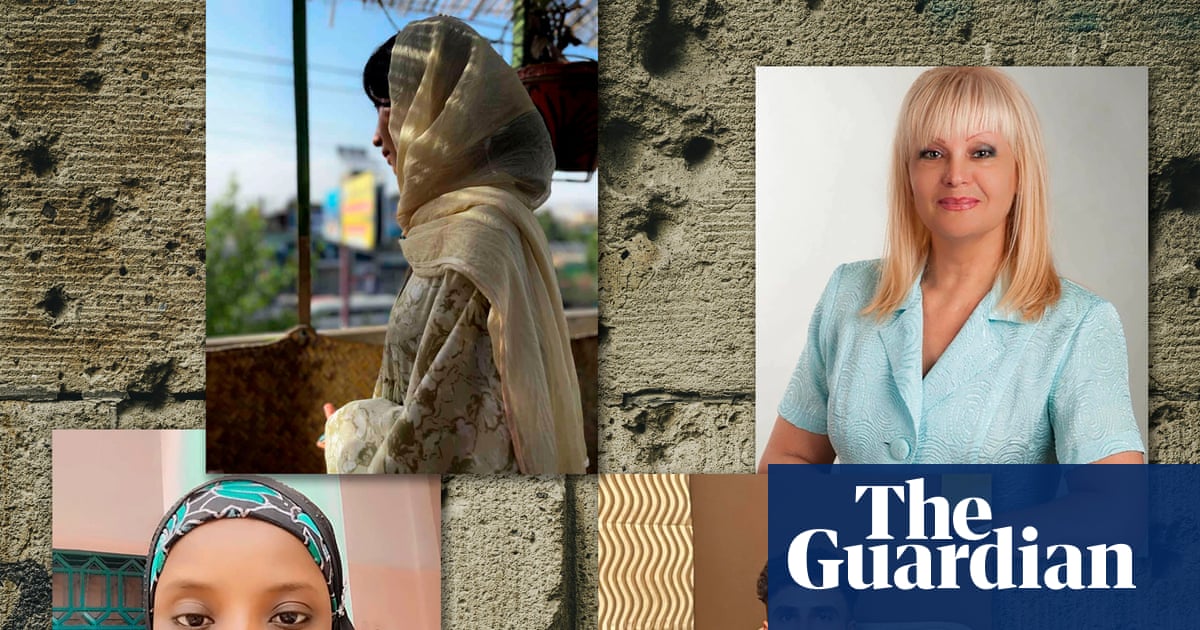
Educators working in extremely challenging conditions in Lebanon, Niger, Ukraine and Afghanistan explain what drives them on
Mohamad El Dirany, 24
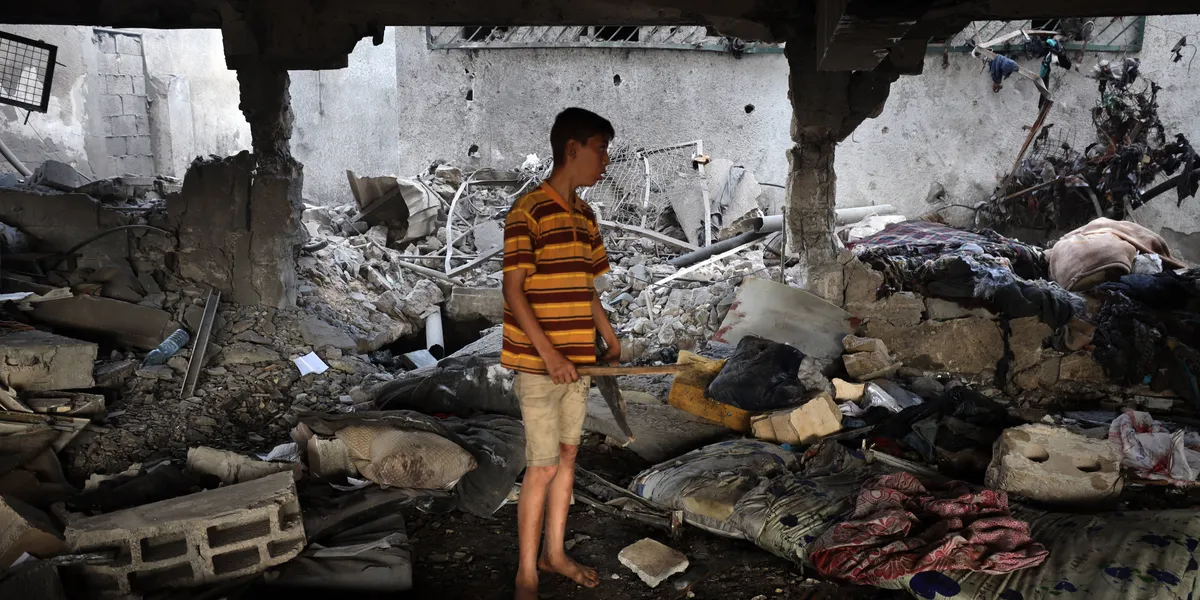
I had just started teaching at a school in the Bekaa valley when war broke out in September 2024. Within days, an Israeli bomb tore through my family home. One minute we were eating lunch, the next the walls were collapsing around us and on to my car outside. I had spent three years saving for that Honda Civic, so when I saw it destroyed, I broke down in tears.
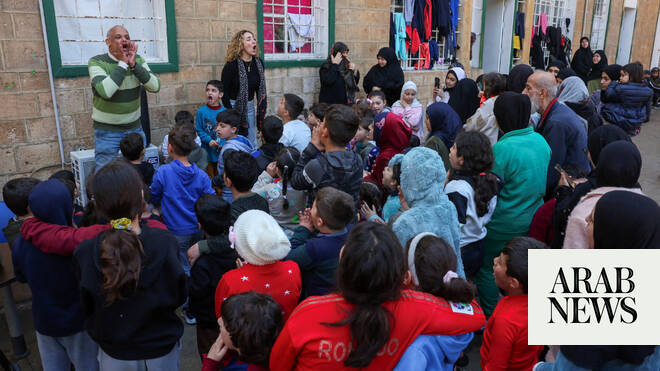
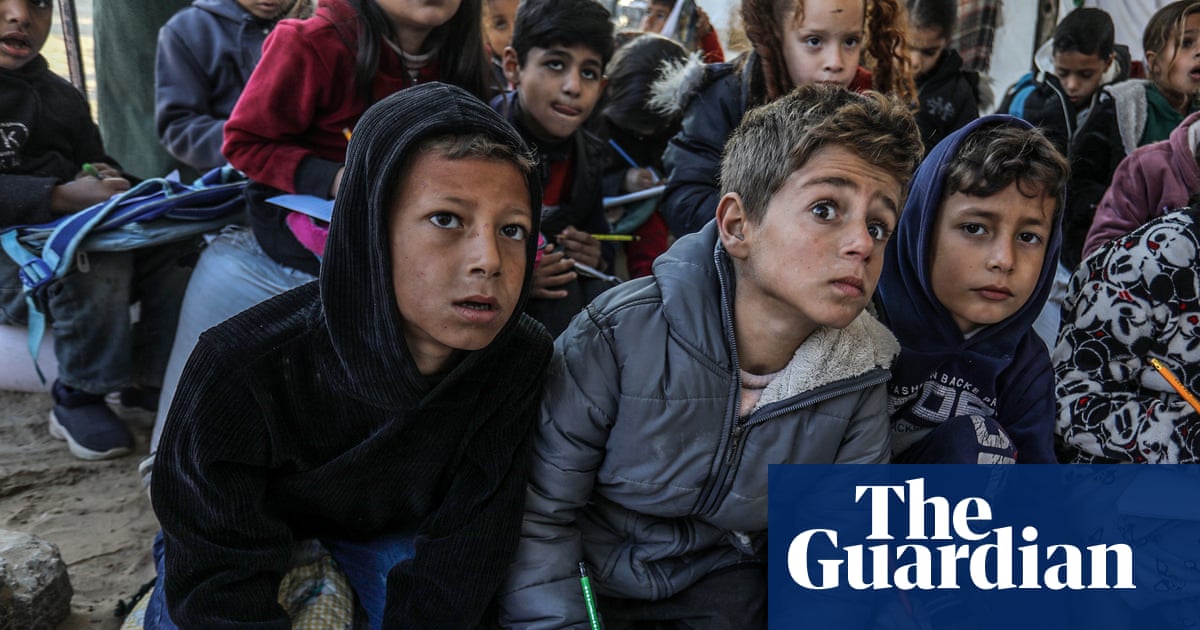
My family, like many others, were forced to relocate to a smaller apartment. The school quickly shifted classes online to make sure the displaced could attend. I was teaching French to grades 5 and 6 [10- to 12-year-olds] with about 35 students in each class. Their faces would flicker on the screen, cutting out when the connection was bad.
Attendance was mandatory, but many of the children found it hard to concentrate. After one particularly heavy Israeli airstrike, a mother unmuted her child’s microphone and started shouting at me: “Why are you doing this? They are not in a state to learn. They need to rest.” There was nothing I could say to console her.