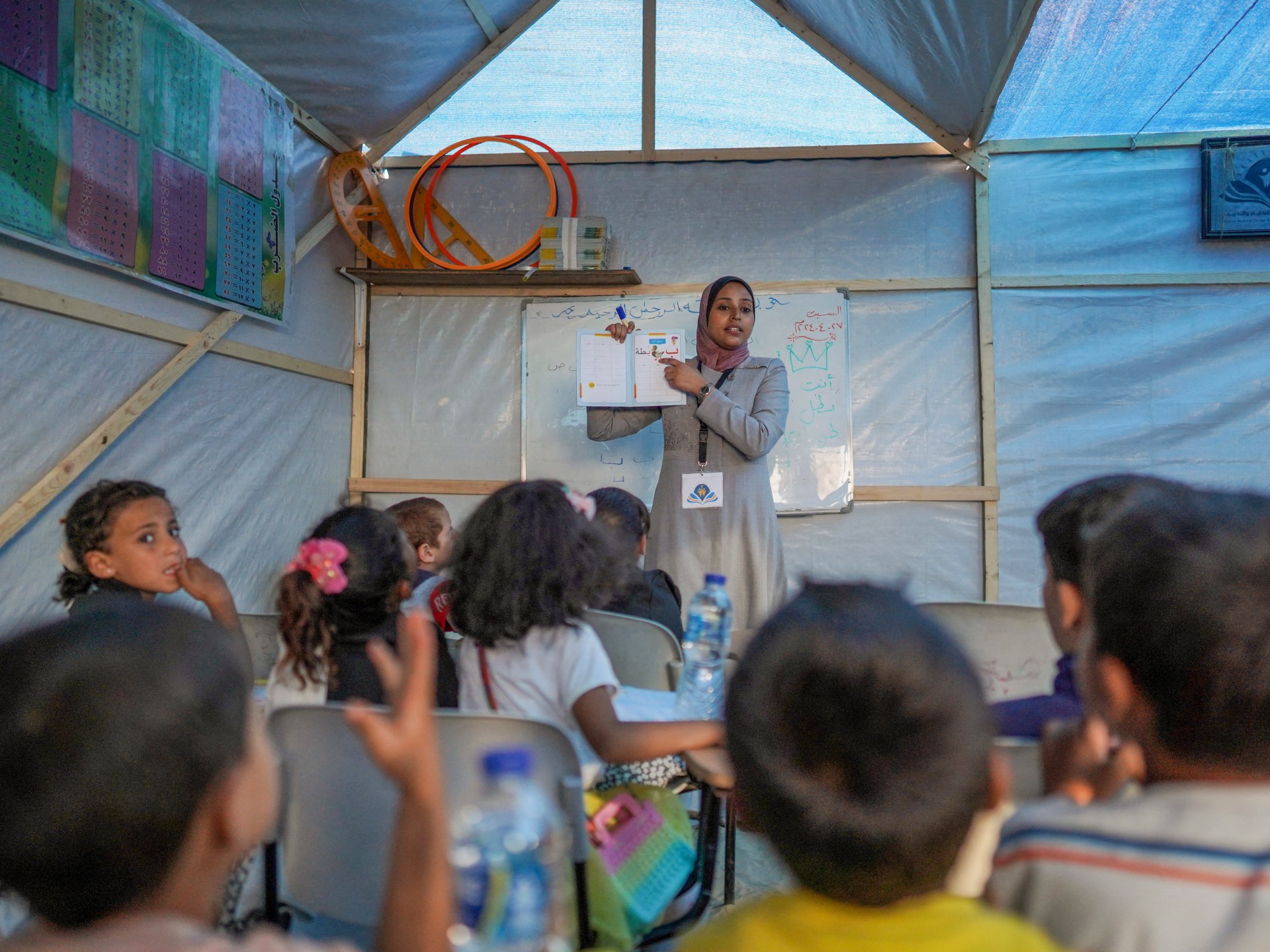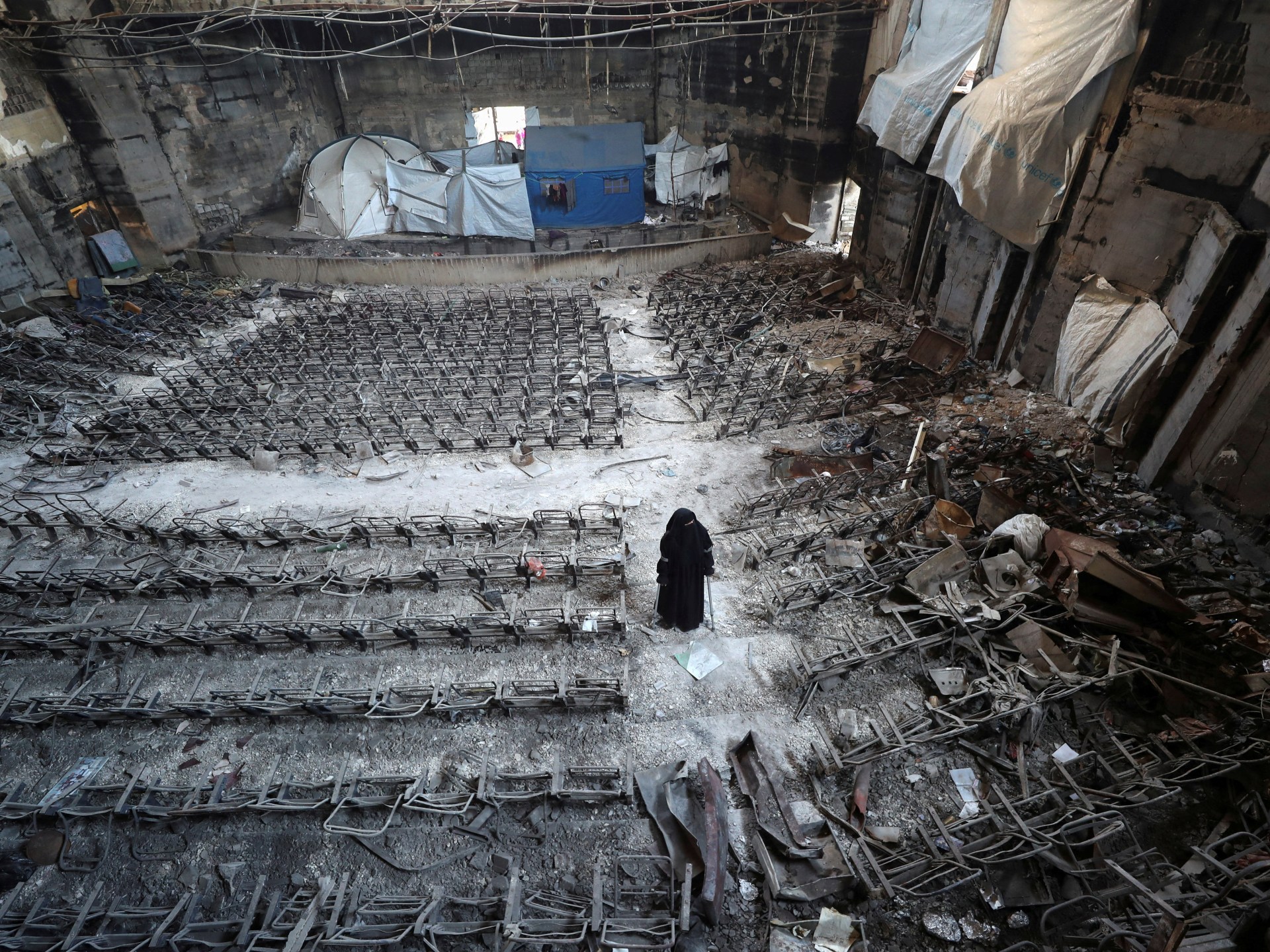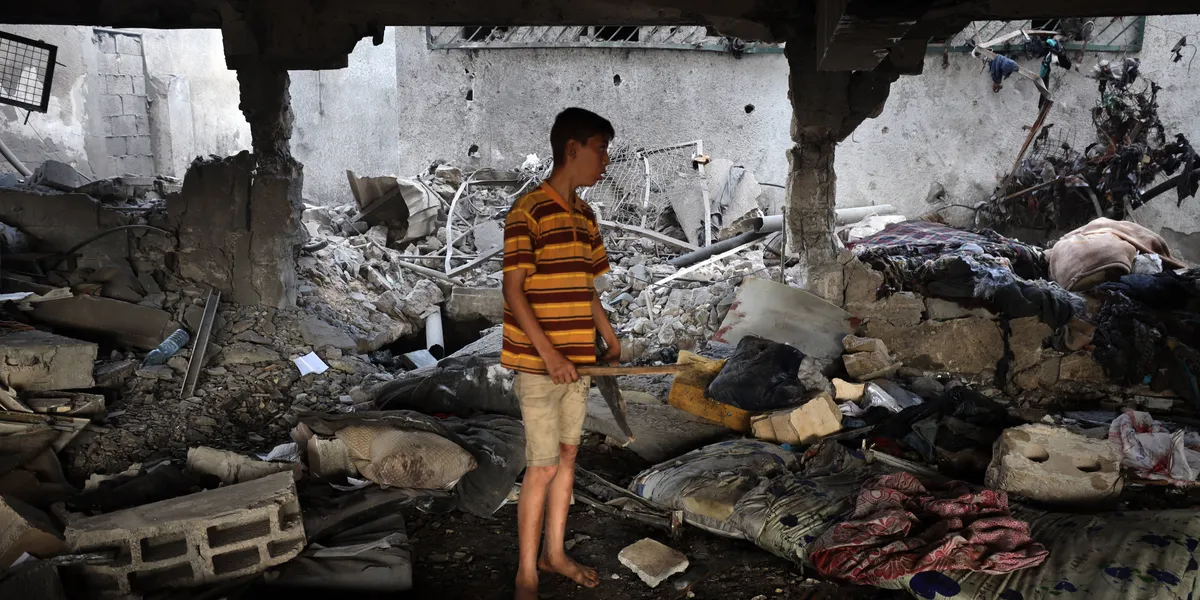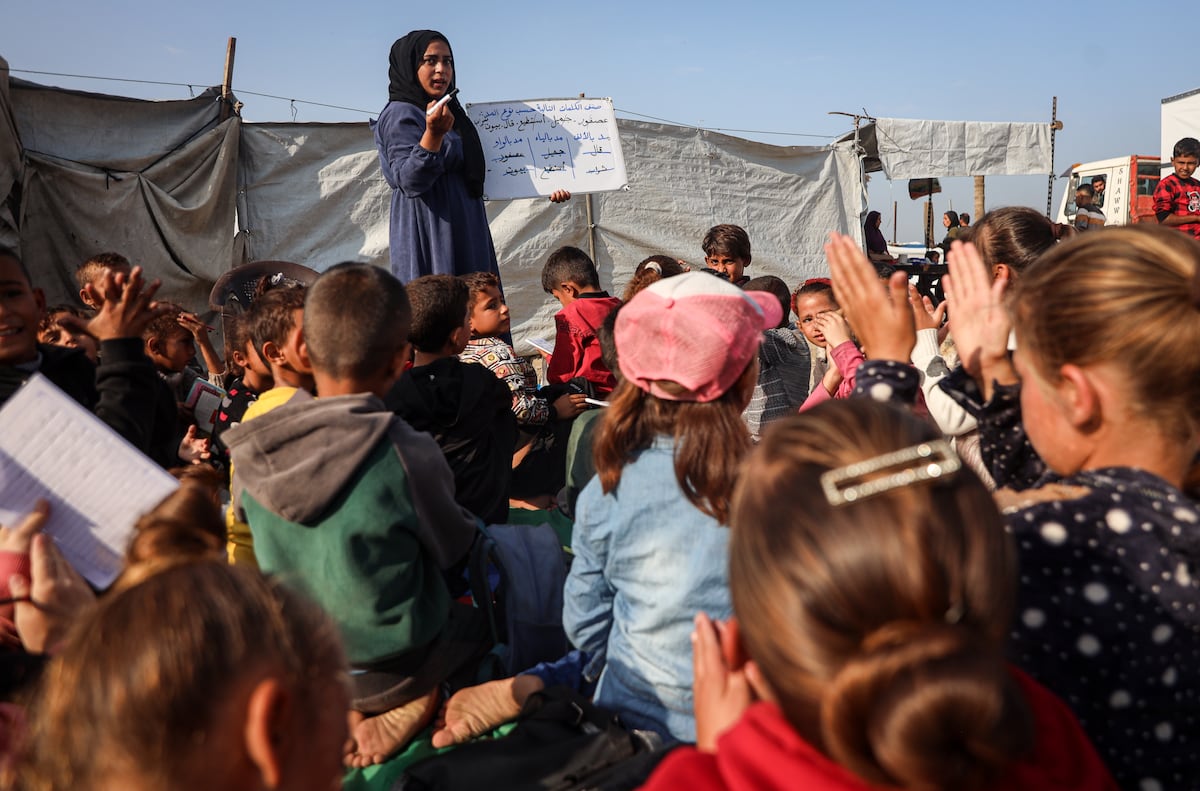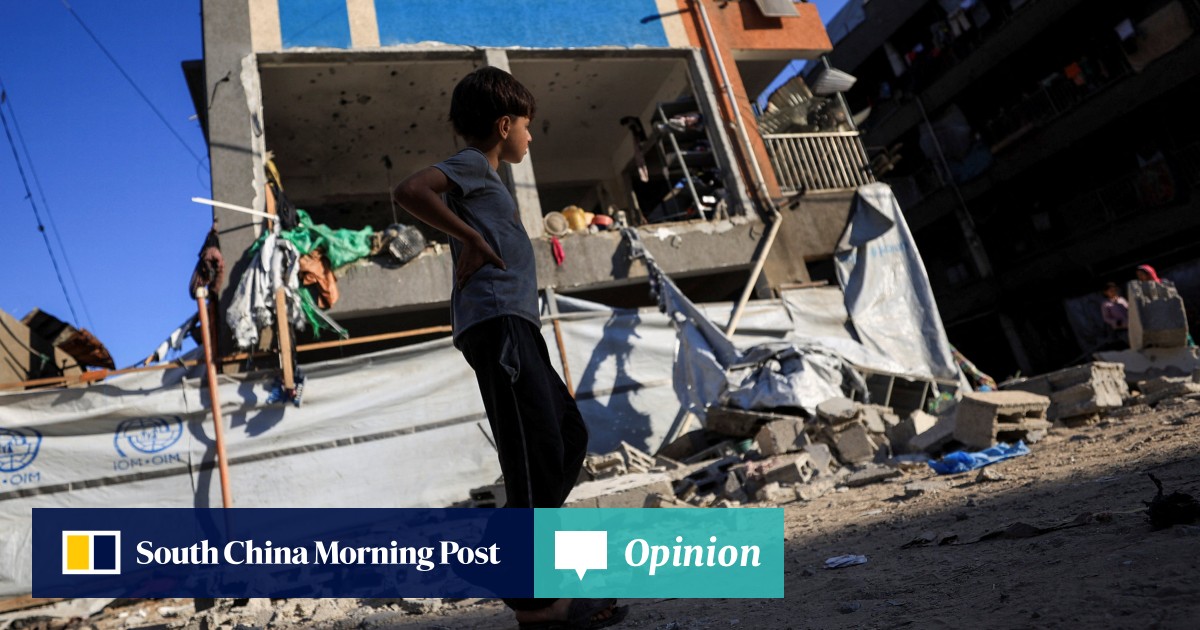
Education systems adapted to local conditions are strategic, long-term investments in community resilience. It must be treated as a frontline intervention in a crisis
Most global actors still treat education as an afterthought during crises, something to address only once food, water and shelter are secured. But in places like Palestine, Syria and Afghanistan, this hierarchy collapses. Education isn’t a post-crisis luxury; it’s the anchor in the chaos.
Over the past decade, I’ve learned that education must be treated as a frontline intervention, restoring not only learning, but also safety, identity and hope. It’s not just about classrooms. It’s about systems that endure.
This requires a different mindset, prioritising community-led design over one-size-fits-all frameworks, embedding psychosocial support structurally, trusting youth with leadership and planning for local ownership from the start. Education isn’t what follows survival; it’s how people survive.
Your personal data will be processed and information from your device (cookies, unique identifiers, and other device data) may be stored by, accessed by and shared with 88 TCF vendor(s) and 20 ad partner(s), or used specifically by this site or app.