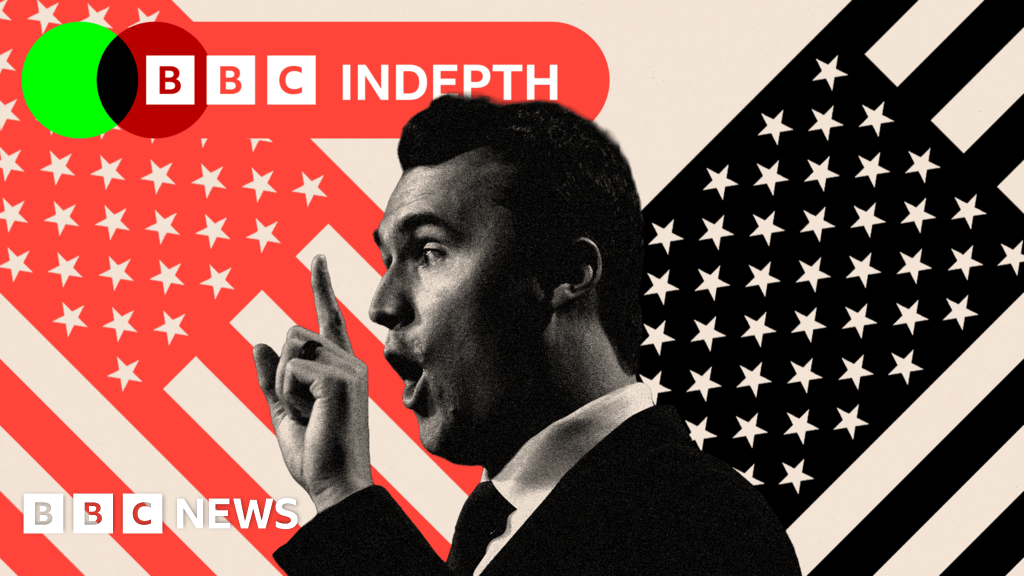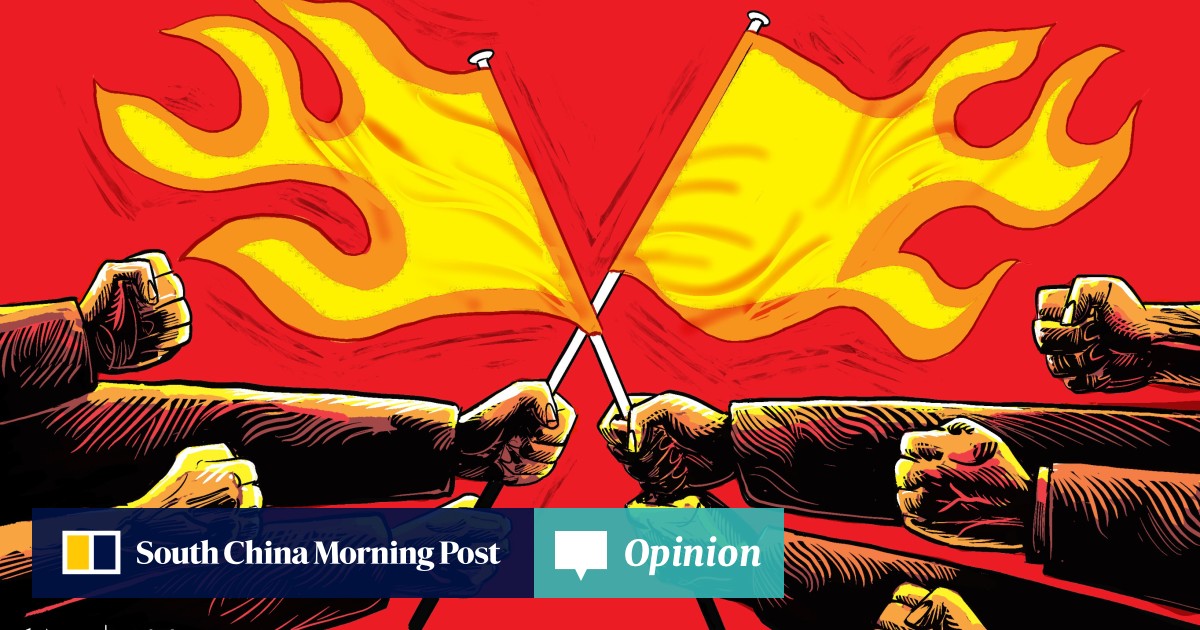
As ideological restlessness grows across the world, the death of the right-wing activist reminds us that nationalism can become a force of destruction
A young Winston Churchill once warned: “The wars of peoples will be more terrible than those of kings.” In our current moment, this warning feels less like prophecy and more like diagnosis. Across the globe, nationalism is no longer a quiet undercurrent; it is a dominant force shaping identities, policies and personal destinies. And nowhere is this more visible than in the two most influential powers of our time, the United States and China.
American nationalism is deeply personal. It is rooted in the mythos of liberty, individualism and moral exceptionalism. From the founding fathers to modern populist movements – and as amplified by Hollywood, mass media and the algorithmic echo chambers of social media platforms – patriotism is often expressed as a belief that one’s values are inseparable from the nation’s destiny.
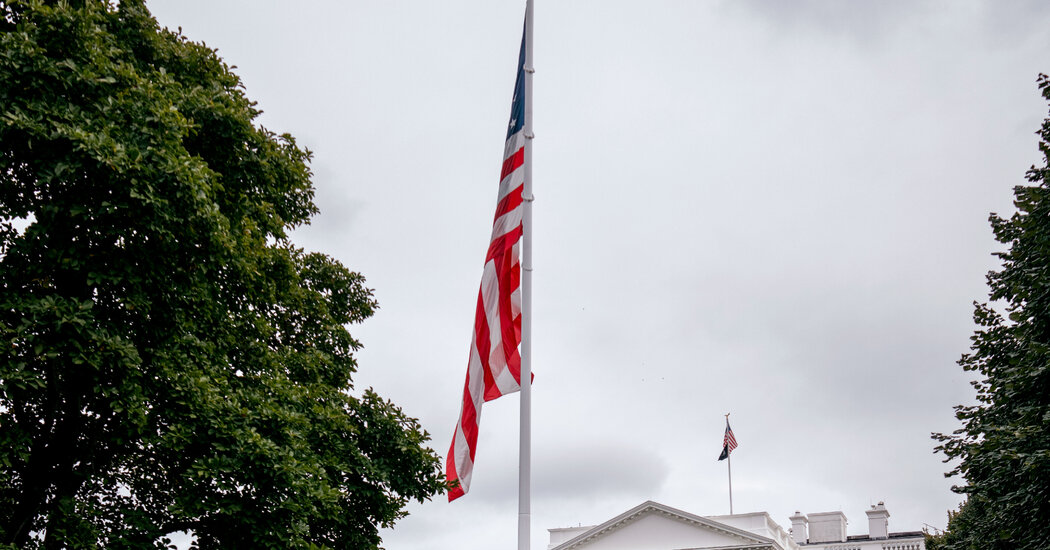
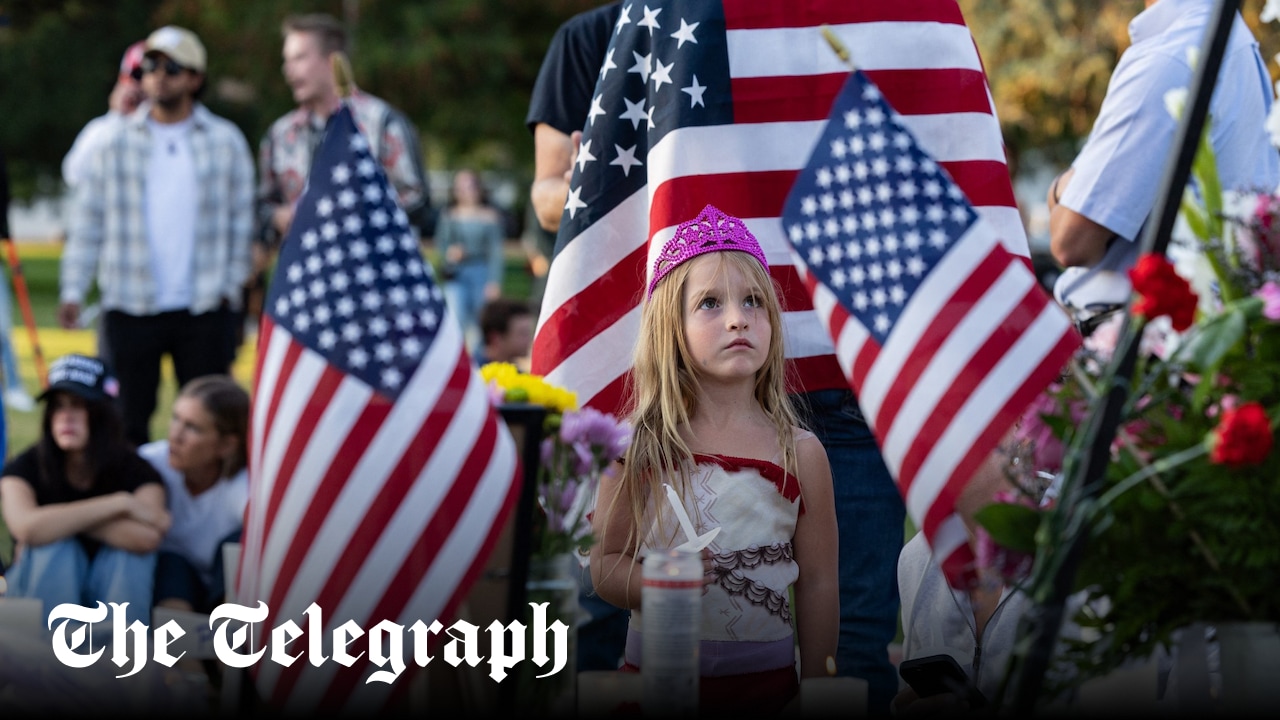
This form of nationalism is volatile. It thrives on personal grievance, elevates the individual to ideological warrior and erodes the space for compromise. The aftermath of Kirk’s assassination – firings, online abuse, even disputes over flag protocol – reveals a society where political identity has become existential. The American flag itself, once a unifying symbol, now serves as a litmus test of allegiance. Similarly, flags have become an issue in the United Kingdom’s summer of discontent.