My mother used to help look after my children when they were small. There were things that only she did with them, like taking them to Costa for a babyccino, the three of them wearing sunglasses and blowing frothy milk at each other. She would create elaborate birthday cards featuring their favourite television characters and make colour photocopies to send to CBeebies so they would get shown and my children’s names would be read out.
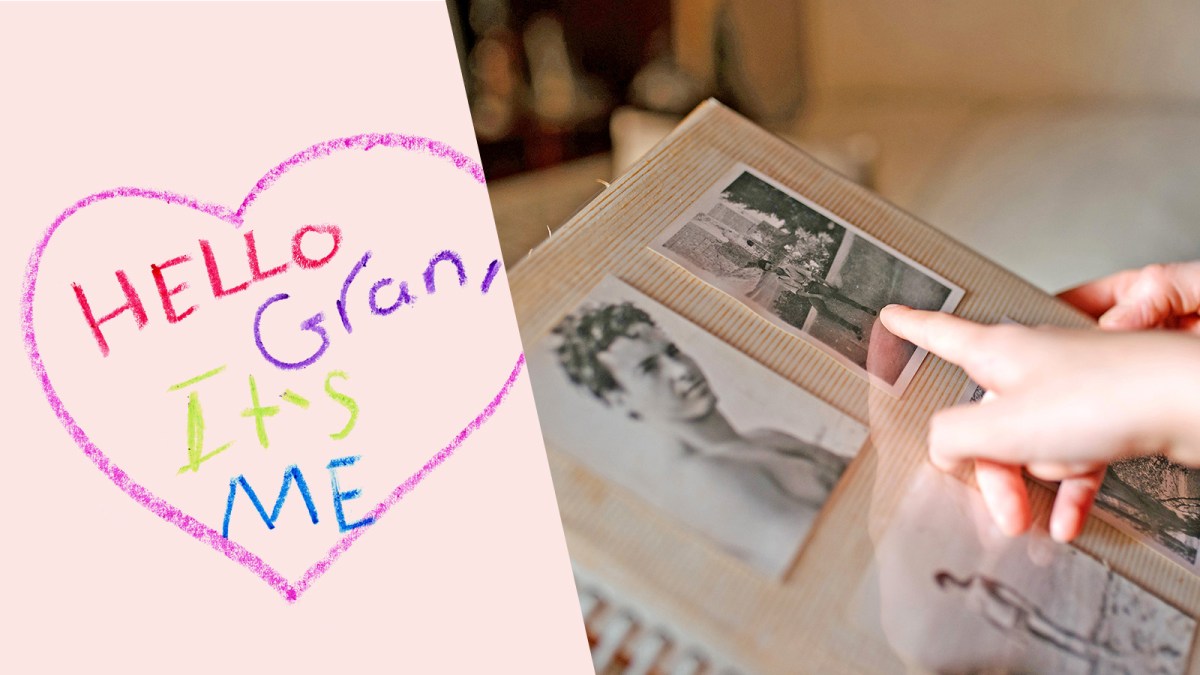
We still have these cards. One of the things we still do together, my children, my mother and I, is to look at them. We remind my mother that she made them, that they appeared on the TV. “Aren’t these brilliant?” we say. “Look what you did!”
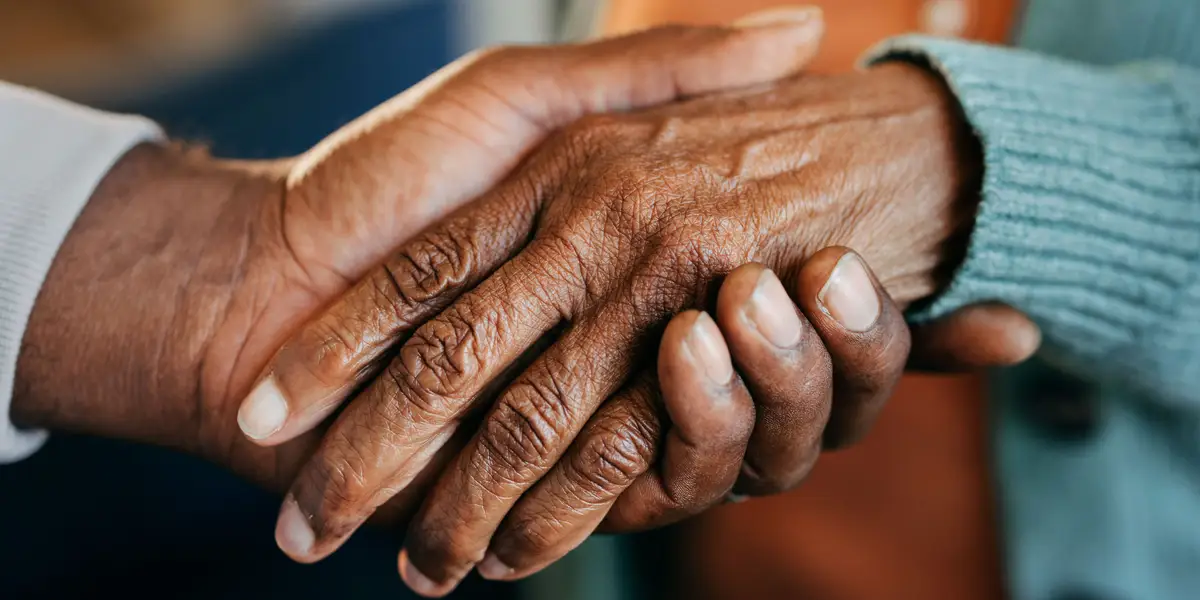
Mum has dementia now and is living in a nursing home. She still recognises us and enjoys spending time with us, but her deterioration is brisk; she is changing almost as fast as the children are.
It is with this mutability in mind that we should consider how to talk to children about dementia. It is said that there are as many types of dementia as there are people with dementia, so the first thing to say is that conversations around the subject should be tailored to each family’s unique experience.
What is universal is the need to talk. Children, even young ones, will be aware that something is wrong — with a grandparent behaving erratically, or parents who seem anxious and upset. (I am focusing on grandparents here, but this is something that can — albeit more rarely — affect younger people too.) A child’s trust in the adults around them will be shaken if people try to pretend that everything is fine.